
Scalp Treatments Compared: CO2, Hydrogen & NanoWater
CO2 spring water, hydrogen infusion, and essential oil scalp therapies available in Sunnyvale, CA. Here's how each one works.
Why Scalp Treatments Are Trending in Sunnyvale
If you've scrolled through any beauty community lately, you've probably noticed the head spa craze. What used to be a niche service at high-end Korean and Japanese salons has gone fully mainstream. And the Bay Area, with its large Asian-American community and appetite for tech-forward beauty, is right at the center of it.
But here's the thing most people don't realize: "scalp treatment" isn't one thing. It's a category that covers at least four or five very different technologies, from CO2 carbonated spring water rinses to hydrogen-infused cell therapy to simple essential oil massages. Each one targets different problems, costs different amounts, and works through different mechanisms.
In Sunnyvale alone, you'll find at least three studios offering scalp services, including Aurora Beauty, The Head Space, and JH Beauty. The treatments aren't interchangeable, though. A CO2 spring water treatment focuses on deep cleansing and blood circulation. A hydrogen water fusion targets inflammation and oxidative damage at the cellular level. An essential oil treatment is more about relaxation and gentle detox.
This guide breaks down the four main scalp treatment types you can actually book in Sunnyvale right now, explains what each one does (and doesn't do), and helps you figure out which one matches your specific scalp concern. Whether you're dealing with thinning hair, an oily or flaky scalp, stress-related tension, or just want that satisfying deep-clean feeling, there's a treatment here for you.
CO2 Spring Water Scalp Therapy: Deep Cleansing + Circulation Boost
CO2 scalp treatments use carbonated spring water infused with high-pressure carbon dioxide to create a tingling, effervescent rinse. The bubbles aren't just for sensation—they actively work to lift sebum, product buildup, and dead skin cells from the scalp surface and hair follicles. When CO2 dissolves into water, it creates carbonic acid (mild, pH 5.5-6), which gently exfoliates without stripping the scalp's natural moisture barrier.
The second mechanism is vasodilation. CO2 exposure causes temporary expansion of blood vessels near the skin surface, increasing circulation to hair follicles. Better blood flow means more oxygen and nutrients reaching the follicle root, which can support healthier hair growth over time. This isn't a hair loss cure, but for people with sluggish circulation or nutrient deficiency-related thinning, it can make a noticeable difference after 4-6 sessions.
What a Session Looks Like
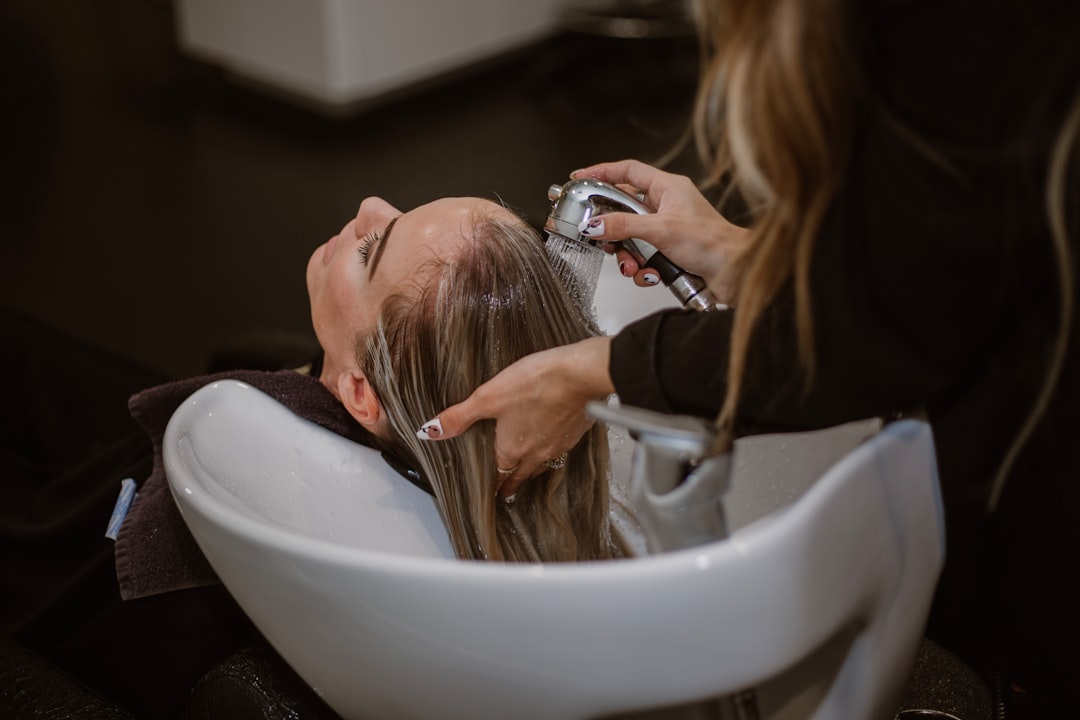
You'll recline at a shampoo station while the esthetician sections your hair and applies the carbonated water with a targeted nozzle. It feels cold and fizzy, like someone's pouring sparkling water directly onto your scalp. The sensation is intense but not unpleasant—think of it as a scalp massage from the inside out. The treatment lasts about 20-30 minutes and often includes a follow-up massage with a hydrating scalp serum.
Best For
Oily scalps that get greasy by day two, product buildup from styling creams and dry shampoo, sluggish hair growth (not male/female pattern baldness, but diffuse thinning related to poor circulation), and anyone who wants a deep-clean reset. If you wash your hair daily and still feel like your scalp never gets fully clean, CO2 therapy is worth trying.
Cost
Expect to pay $80-$150 per session in Sunnyvale, depending on whether it's a standalone treatment or bundled with a haircut or facial. Most practitioners recommend a series of 4-6 sessions spaced 2 weeks apart, then monthly maintenance.
Hydrogen Water Scalp Treatment: Anti-Inflammatory + Cellular Repair
Hydrogen water treatments infuse molecular hydrogen (H₂) into purified water, then apply it to the scalp using a specialized delivery system—either a gentle misting device or a soaking cap. The science behind hydrogen therapy is more recent than CO2, but it's gaining serious traction in dermatology research. Molecular hydrogen acts as a selective antioxidant, neutralizing harmful free radicals (specifically hydroxyl radicals) without disrupting the beneficial reactive oxygen species your cells need for signaling.
For the scalp, this means reduced inflammation, less oxidative damage to hair follicles, and faster healing of micro-irritation from styling tools, chemical treatments, or environmental pollutants. Studies on hydrogen-rich water in skincare show measurable reduction in redness, improved skin barrier function, and better hydration retention. The same principles apply to scalp skin, which is thinner and more reactive than facial skin.
What It Treats
Hydrogen treatments excel at calming an irritated, inflamed scalp—conditions like seborrheic dermatitis, psoriasis flare-ups, and post-color treatment sensitivity. If you've ever had your scalp burn slightly during a bleach job or noticed flaking and itchiness after trying a new shampoo, hydrogen therapy helps reset that inflammatory response. It's also popular among people undergoing chemotherapy or radiation, as it can soothe treatment-related scalp dryness and sensitivity.
Session Experience
The process is gentler than CO2. You'll sit with your hair sectioned while the esthetician applies hydrogen-infused water either through a spray bottle or a silicone cap that sits on your scalp for 15-20 minutes. There's no tingling or fizzing sensation—just a cool, soothing feeling. Some clinics combine it with a scalp massage or LED light therapy for added collagen stimulation.
Pricing
$100-$180 per session. Because hydrogen water loses its potency quickly (within 30-60 minutes of generation), clinics need specialized equipment to produce it on-site, which drives up the cost compared to CO2 spring water treatments.
Essential Oil Head Spa: Aromatherapy + Lymphatic Drainage
This is the most traditional style of scalp treatment, rooted in Ayurvedic and Japanese head spa rituals. Unlike CO2 or hydrogen treatments that rely on advanced technology, essential oil head spas focus on manual massage techniques combined with therapeutic plant oils. The primary benefits are stress reduction, lymphatic drainage, and improved scalp circulation through direct physical manipulation—not chemical or gas infusion.
The typical protocol involves warm oil application (often a blend of rosemary, peppermint, tea tree, or lavender depending on your scalp type), followed by 20-30 minutes of massage using acupressure points, kneading, and gentle pulling motions. The massage stimulates lymph flow, which helps remove metabolic waste from scalp tissue and reduces puffiness around the hairline and temples. It's deeply relaxing, borderline meditative, and many people report better sleep quality the night after a session.
What It Targets
Tension headaches and stress-related hair thinning, dry or flaky scalp (the oil replenishes lipid barrier), and anyone who carries tension in their jaw, neck, or scalp. This isn't about deep cleansing or cellular repair—it's about relaxation and maintenance. If you clench your jaw at night or spend hours at a desk with forward head posture, the head spa massage can release that chronic tension pattern.
Session Structure
You'll lie back in a reclining chair or sit upright while the therapist works through a series of pressure points on your scalp, temples, neck, and shoulders. The oil is usually left on for 5-10 minutes before a gentle shampoo. Some practitioners incorporate hot towel wraps or steaming to open the scalp pores and enhance oil absorption. The whole experience takes 45-60 minutes.
Cost
$60-$120 per session. Because it's labor-intensive but doesn't require specialized equipment, pricing varies widely based on practitioner experience and whether it's bundled with other services like a blowout or facial.
How to Choose the Right Scalp Treatment for Your Concern
The best treatment depends on what you're actually trying to fix. Here's a quick decision guide based on common scalp issues:
If You Have Oily Scalp + Buildup
Go with CO2 spring water therapy. The carbonation lifts excess sebum and product residue without stripping your scalp's natural moisture. If you're someone who uses dry shampoo, styling gels, or serums daily, this is your reset button. Plan on a series of 4-6 treatments to see lasting results, then drop to monthly maintenance.
If You Have Inflammation or Sensitivity
Hydrogen water treatment is your best bet. It's gentle, anti-inflammatory, and specifically targets oxidative stress. Perfect for post-color irritation, seborrheic dermatitis, or if you're dealing with flaking and redness that won't quit. Expect to see improvement within 2-3 sessions, but you may need ongoing treatments if you have a chronic condition like psoriasis.
If You're Stressed or Have Tension Headaches
Book an essential oil head spa. The manual massage releases muscular tension, drains lymphatic congestion, and gives you an immediate relaxation response. This isn't going to fix a damaged scalp barrier or boost hair growth, but it will make you feel human again after a brutal work week. Ideal as a monthly self-care ritual.
If You Have Thinning Hair
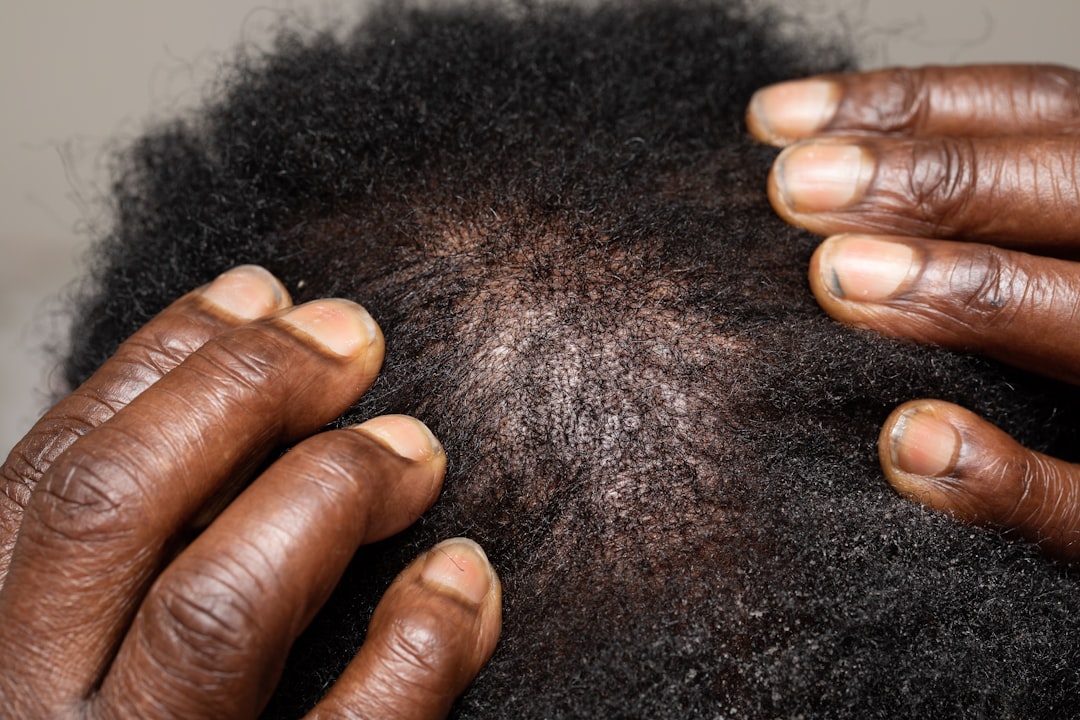
Start with CO2 therapy for circulation boost, then consider adding hydrogen water sessions to reduce follicle inflammation. Neither treatment is a hair loss cure, but they create a healthier environment for existing follicles to function. Pair with a good topical treatment (minoxidil, peptide serums, etc.) for best results. If your hair loss is pattern-based (male/female androgenic alopecia), you'll need medical intervention—scalp treatments alone won't reverse it.
JH Beauty's Approach
At JH Beauty in Sunnyvale, we offer all three treatment types so you can choose based on your actual concern, not just what's trending on TikTok. Our scalp intake includes a scalp camera analysis (magnified view of your follicles and skin condition) so we can recommend the treatment that matches your specific needs. You can also explore our full treatment menu to see pricing and package options, or pair your scalp treatment with one of our signature facials for a full head-to-toe reset.
Frequently Asked Questions
How often should I get scalp treatments?
It depends on the treatment type and your goal. For CO2 or hydrogen water therapy, most practitioners recommend an initial series of 4-6 sessions spaced 2 weeks apart, then monthly maintenance. For essential oil head spas, once a month is standard for general wellness, or weekly if you're actively treating a condition like dandruff or stress-related hair loss. If you're doing multiple treatments (say, CO2 for cleansing plus essential oil for relaxation), space them at least a week apart so your scalp has time to respond.
Can scalp treatments help with hair loss?
They can create a healthier environment for hair growth, but they're not a cure for pattern baldness (androgenic alopecia). CO2 therapy improves circulation, which helps follicles get more nutrients. Hydrogen water reduces inflammation that can choke follicle function. Essential oil massage can relieve stress-related shedding. But if you have genetic hair loss, you'll need medical treatments like minoxidil, finasteride, or PRP injections. Scalp treatments work best as a complement to those, not a replacement.
Are there any side effects?
Scalp treatments are generally very safe, but a few things to watch for: CO2 can cause temporary redness or tingling that lasts 10-15 minutes after treatment. Hydrogen water has almost no side effects—it's just water with dissolved gas. Essential oils can trigger allergic reactions if you're sensitive to specific plants (tea tree, lavender, rosemary are the most common culprits). Always tell your esthetician if you have a known allergy or if you're using prescription topicals like tretinoin or minoxidil, which can make your scalp more reactive.
What should I do after a scalp treatment?
For CO2 and hydrogen treatments, avoid shampooing for at least 24 hours—you want the effects to fully penetrate. Skip heavy styling products, hot tools, and tight hairstyles for a day or two. For essential oil treatments, your hair will likely be freshly washed at the end of the session, so just let it air-dry naturally. Drink plenty of water, especially after CO2 treatments, since increased circulation can make you feel slightly dehydrated. And if you're doing a series, try to keep your appointments on the same schedule—consistency matters more than intensity.
Can I combine scalp treatments with other services?
Absolutely. Many people pair scalp treatments with facials, especially if they're already at the salon for a 60-90 minute session. JH Beauty's clients often book a hydrogen scalp treatment with a Hydrafacial or a CO2 scalp session before getting their lash extensions refreshed. Just communicate with your esthetician so they can sequence things properly—some treatments (like chemical peels) shouldn't be done on the same day as CO2 scalp therapy because your skin will be extra sensitive.
Pricing and booking: see current prices, session lengths and packages for scalp treatments in Sunnyvale.