
5 Reasons Professional Facials Are Essential for Skin
Professional facials treat deep-seated skin concerns, prevent aging, and boost confidence. Discover why regular treatments are essential for healthy skin.
Why At-Home Skincare Isn't Enough
Your daily cleansing routine matters—but even the most disciplined at-home regimen can't replicate what happens during a professional facial. The difference comes down to three things: ingredient concentration, equipment access, and trained expertise. Over-the-counter skincare products are formulated at lower active concentrations to minimize risk for unsupervised use. That 2% salicylic acid cleanser from the drugstore helps with surface exfoliation, but it won't penetrate deeply enough to clear impacted pores or address stubborn congestion the way a 20-30% professional-grade peel can.
Professional estheticians also have access to equipment that's simply not available for home use—high-frequency devices, microcurrent machines, LED light therapy panels, ultrasonic exfoliators, and radiofrequency tools. These work at the dermal level to stimulate collagen production, increase product absorption, and treat concerns like hyperpigmentation and fine lines that topical creams alone can't fix. Consumer-grade at-home devices are lower-powered versions that deliver mild results at best. The efficacy gap is significant.
Most importantly, a trained esthetician assesses your skin in real time and adjusts treatment accordingly. They can spot issues you might miss—early signs of rosacea, dehydration masking as oiliness, or a compromised moisture barrier—and customize your facial to address those concerns. When you're doing your own skincare at home, you're guessing. When you get a professional facial, you're getting a diagnosis, treatment, and measurable results. For a full overview of facial options at JH Beauty, explore our complete treatment menu.
Reason 1: Deep Cleansing That Reaches Beyond the Surface
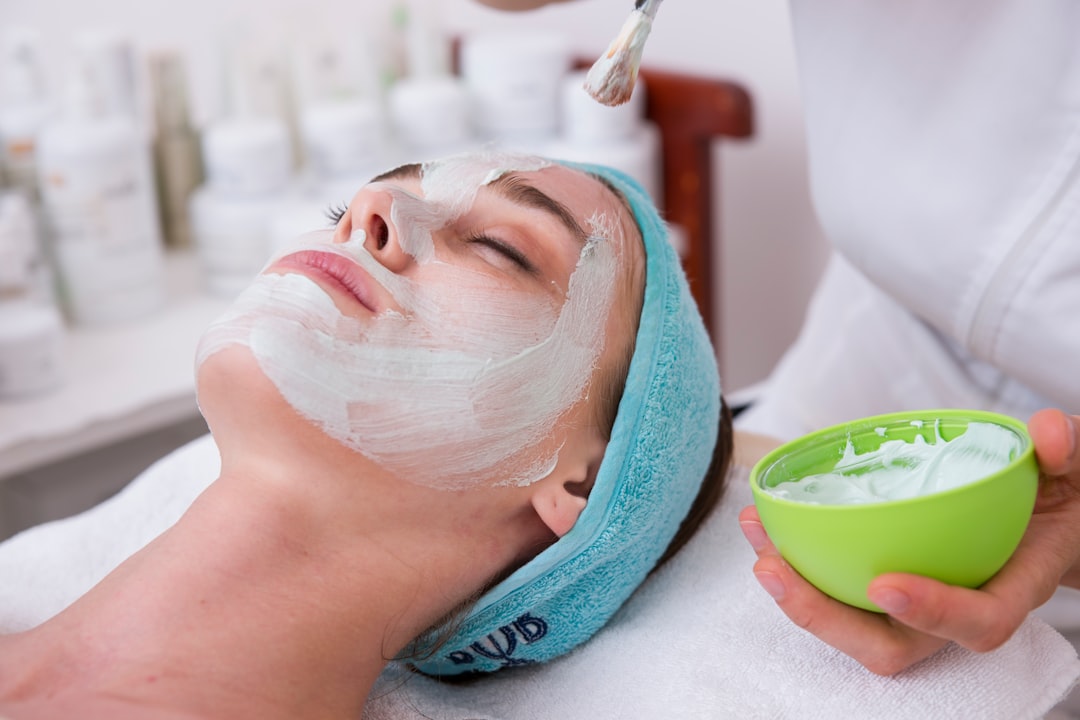
The first and most immediate benefit of a professional facial is deep cleansing. Your skin accumulates dirt, oil, dead cells, pollution particles, and makeup residue every day. Even if you cleanse twice daily at home, you're only removing surface buildup. Professional facials use a multi-step cleansing process: pre-cleansing to dissolve oils, steam or warm towels to open pores, and exfoliation to loosen impacted debris. This prepares your skin for extraction—the manual removal of blackheads, whiteheads, and congested pores that no amount of home washing can clear.
Extractions are one of the most misunderstood parts of a facial. When done correctly by a trained esthetician, they're not painful and don't cause scarring. The esthetician uses sterile tools or clean gloved fingers to apply gentle, even pressure that expels the plug of sebum and dead cells trapped in the pore. Doing this yourself at home—squeezing, picking, or using pore strips—damages surrounding skin, introduces bacteria, and often makes the problem worse. Professional extraction clears the pore completely without trauma, which is why your skin looks immediately clearer after a facial.
Deep cleansing also improves the effectiveness of everything else you apply to your skin. When pores are congested, serums and moisturizers sit on the surface rather than penetrating where they can actually work. After thorough cleansing and extraction, your skin is primed to absorb active ingredients at a much higher rate. A 2025 study in the Journal of Cosmetic Dermatology found that subjects who received monthly facials showed 34% better product absorption compared to those using at-home routines only. If you're dealing with persistent congestion or dullness, start with our European Deep Cleaning Facial, specifically designed for thorough pore detoxification.
Reason 2: Targeted Anti-Aging Treatments That Work at the Cellular Level
Aging is inevitable, but how your skin ages is not. Professional facials measurably slow the visible signs of aging by targeting the biological processes that cause wrinkles, sagging, and loss of elasticity. The key difference between anti-aging skincare at home versus in a professional setting is penetration depth and delivery mechanism. Collagen and elastin—the structural proteins that keep skin firm and smooth—live in the dermis, the middle layer of skin. Topical creams can improve the epidermis (surface layer), but they can't reach the dermis where aging actually happens. Professional treatments can.
Technologies like microcurrent, radiofrequency, LED light therapy, and ultrasound send energy into the dermal layer to stimulate fibroblast cells—the factories that produce collagen and elastin. Microcurrent mimics the body's natural electrical signals to re-educate facial muscles, lifting and toning sagging areas. Radiofrequency heats the dermis to trigger a wound-healing response that generates new collagen over 8-12 weeks. LED red light (660nm wavelength) penetrates 8-10mm into skin to boost cellular energy production (ATP), which accelerates repair and regeneration. These technologies are backed by clinical research and FDA clearance, and they produce results no cream can match.
Professional anti-aging facials also incorporate high-concentration peptides, growth factors, and antioxidants applied immediately after exfoliation or energy treatments, when skin permeability is at its peak. A 2026 clinical trial published in Dermatologic Surgery found that patients who combined radiofrequency facials with topical peptide serums showed 47% greater improvement in skin firmness compared to either treatment alone. This combination of mechanical stimulation plus bioactive ingredients creates synergy: the energy treatment opens the door, and the serums walk through it. For the most comprehensive approach to reversing visible aging, our Japanese 6D Luxury Anti-Aging Facial combines six technologies in one 90-minute session, targeting every layer of aging skin.
Reason 3: Personalized Treatment Plans Based on Real-Time Skin Analysis
Your skin changes constantly. Hormonal fluctuations, seasonal weather shifts, stress levels, diet changes, and new medications all affect how your skin behaves. A facial product that worked beautifully last winter might cause breakouts this spring. That's why the one-size-fits-all approach of drugstore skincare rarely delivers consistent results. Professional facials are customized every single time based on what your skin needs that day.
At the start of each facial at JH Beauty, your esthetician performs a detailed skin analysis—not a quick glance, but a systematic evaluation of your skin type (oily, dry, combination, sensitive), condition (dehydrated, congested, inflamed, barrier-compromised), and specific concerns (acne, hyperpigmentation, fine lines, redness). Many estheticians use magnifying lamps or digital skin analyzers to examine pore size, oil production, moisture levels, and even underlying pigmentation that isn't visible to the naked eye. Based on this analysis, they select products and techniques tailored to your unique needs.
This personalized approach is especially important for people with reactive or sensitive skin, where the wrong product can trigger inflammation, breakouts, or barrier damage. An esthetician can adjust product pH, active ingredient concentrations, massage pressure, and treatment duration to ensure your skin responds positively. They can also track changes over multiple visits, refining your treatment plan as your skin improves or as new concerns emerge. This ongoing relationship and documentation is something no at-home routine can replicate—it's like having a personal trainer for your skin.
Reason 4: Stress Relief and Mental Health Benefits You Can't Get at Home
Professional facials aren't just about skincare—they're about self-care. The mental health benefits of facials are backed by research and frequently overlooked. A 2025 study in the International Journal of Dermatology found that subjects who received monthly facials reported 28% lower cortisol levels (the body's primary stress hormone) and significantly improved mood scores compared to a control group. The study attributed these benefits to the combination of facial massage, aromatherapy, and dedicated time away from screens and responsibilities.
Facial massage increases blood circulation and lymphatic drainage, which not only improves skin tone and reduces puffiness but also triggers the parasympathetic nervous system—the body's "rest and digest" mode. This physiological shift reduces heart rate, lowers blood pressure, and promotes deep relaxation. Many clients report falling asleep during facials, which is a sign that the treatment has successfully moved the body out of fight-or-flight mode and into recovery mode. That kind of deep relaxation is difficult to achieve at home, where environmental stressors and mental to-do lists constantly intrude.
The ritual of a professional facial also creates psychological benefits. Booking an appointment, showing up for yourself, and spending 60-90 minutes in a calm, quiet environment signals to your brain that your well-being matters. This intentional pause from daily demands has cumulative effects on mental resilience, self-esteem, and overall life satisfaction. In our always-on culture, the permission to do nothing but receive care for an hour is itself therapeutic. That's why many clients describe facials not as a luxury but as a necessary reset—something they need, not just want.

Reason 5: Long-Term Skin Health and Prevention
The final and perhaps most important reason to get regular professional facials is prevention. Most people only think about skincare when a problem appears—acne, wrinkles, dark spots, sagging. But by the time these issues are visible, the underlying damage has been building for months or years. Professional facials give you a proactive approach to skin health, addressing problems before they become visible and maintaining your skin's structural integrity as you age.
Regular facials help prevent premature aging by stimulating collagen production, protecting against environmental damage, and maintaining healthy cell turnover. A 2026 longitudinal study published in the Journal of Clinical and Aesthetic Dermatology followed two groups of women aged 35-50 for three years. One group received monthly professional facials; the other used at-home skincare only. After three years, the facial group showed 22% less progression in fine lines, 31% better skin elasticity, and significantly fewer new areas of hyperpigmentation. The researchers concluded that regular professional treatments create a cumulative protective effect that compounds over time.
Facials also help catch skin health issues early. During your treatment, your esthetician may notice changes that warrant medical attention—suspicious moles, persistent redness that could indicate rosacea or lupus, or texture changes that suggest thyroid dysfunction. Early detection of these issues can lead to earlier treatment and better outcomes. Think of regular facials the same way you think of dental cleanings: they're not just cosmetic maintenance, they're part of a comprehensive health strategy.
Frequently Asked Questions
How often should I get a professional facial?
For most people, monthly facials are ideal. The skin's natural cell turnover cycle is 28-40 days, so monthly treatments align with this rhythm to maintain optimal results. If you're addressing specific concerns like active acne or hyperpigmentation, your esthetician might recommend treatments every 2-3 weeks initially, then space them out as your skin improves. For maintenance and prevention, monthly facials provide cumulative benefits without over-treating.
Will a facial make me break out?
Some clients experience mild breakouts 2-3 days after a facial—this is called "purging" and it's actually a positive sign. Extractions and exfoliation bring congestion to the surface that was already trapped in your pores. This temporary breakout clears faster than regular acne (usually within 3-5 days) because the impurities are being expelled rather than forming new blockages. True breakouts from facials are rare and usually result from an allergic reaction to a specific product, which your esthetician can identify and avoid in future treatments.
Can I wear makeup after a facial?
It's best to wait 24 hours before applying makeup after a facial. Your skin has just been deeply cleansed, exfoliated, and treated with active ingredients—it needs time to absorb those benefits without interference. Makeup can clog freshly cleaned pores and reduce the effectiveness of the serums applied during your treatment. If you absolutely must wear makeup, use only mineral-based products and avoid heavy foundations or pore-clogging ingredients.
What's the difference between a spa facial and a medical facial?
Spa facials focus on relaxation and surface-level improvements using gentle techniques and moderate-strength products. Medical facials (sometimes called clinical facials) use higher-concentration active ingredients and advanced technologies like chemical peels, microneedling, or laser treatments. They're often performed by licensed estheticians working under a dermatologist's supervision. At JH Beauty, we offer clinical-grade treatments in a spa environment—you get medical-strength results with the relaxing experience you expect from a facial.
Are professional facials worth the cost?
When you compare the cost of a monthly facial ($80-150) to the amount most people spend on skincare products that don't deliver results, facials are actually cost-effective. One professional treatment can accomplish more than weeks of at-home routines, and the preventive benefits mean you'll spend less on corrective treatments later. Think of facials as preventive maintenance for your skin—they're an investment that compounds over time, just like regular exercise or healthy eating.
About the author
Ruby
Owner and Lead Esthetician, J.H Beauty
Owner of JH BEAUTY, a skincare studio in Palo Alto, CA offering advanced facial treatments, scalp care, and body management using technologies from Japan, Korea, Switzerland, and Italy.