
Achieve Smoothness with Korean DPL Hair-Removal
Explore Advanced Hair Reduction with Korean DPL Technology
What Is Korean DPL Hair Removal and How Does It Work?
DPL stands for Dual Polarized Light, a next-generation hair reduction technology that originated in Korea and has quickly become a favorite at forward-thinking spas like JH Beauty in Sunnyvale. Unlike traditional laser hair removal that uses a single wavelength of light, DPL emits dual-polarized LED light across multiple wavelengths (typically 580nm to 950nm), targeting both the melanin in the hair follicle and the blood vessels that feed it. This dual-action approach makes DPL gentler, safer for all skin tones, and surprisingly effective at reducing hair growth over time—without the pain, downtime, or strict sun-avoidance rules that come with laser treatments.
Here's how it works: when the DPL light penetrates the skin, it's absorbed by the pigment in the hair shaft and the hemoglobin in the surrounding blood vessels. The light energy converts to heat, damaging the follicle's growth cells and disrupting the blood supply that nourishes the hair root. Over 6-8 treatment sessions spaced 4-6 weeks apart, this repeated damage weakens the follicle until it can no longer produce hair. The key advantage of DPL over laser? Because it uses broader-spectrum light instead of a focused laser beam, it's less intense on the skin, meaning less discomfort, less risk of burns or hyperpigmentation, and better tolerance for sensitive skin. You can even get DPL treatments year-round without worrying about sun exposure triggering complications—a major plus in sunny California.
DPL is FDA-cleared for hair reduction and has been clinically shown to reduce hair growth by 60-80% after a full treatment course. It's particularly effective on dark, coarse hair (like underarm, bikini, or leg hair), though lighter hair responds more slowly. At JH Beauty, we use Korean-engineered DPL devices that deliver consistent, calibrated light pulses to maximize results while minimizing side effects. If you've tried waxing, shaving, or threading and are tired of the constant upkeep, DPL offers a long-term solution that actually gets easier with each session as hair grows back finer and sparser.
DPL Hair Removal vs. Laser Hair Removal: What's the Difference?
If you're comparing DPL to traditional laser hair removal, the main differences come down to technology, comfort, and versatility. Laser hair removal uses a single, concentrated wavelength of light (usually diode, Nd:YAG, or alexandrite lasers) that targets melanin in the hair follicle with high precision. It's powerful and effective, but that intensity comes at a cost: laser treatments hurt more (clients describe it as a rubber band snapping against the skin), carry higher risks of burns or pigmentation changes on darker skin tones, and require strict pre- and post-treatment protocols like avoiding sun exposure for weeks before and after each session.
DPL, by contrast, uses dual-polarized LED light across a broader spectrum of wavelengths. This means the energy is distributed more evenly across the skin rather than concentrated in a single intense beam. The result? Treatments are less painful—most clients describe it as a warm tingling sensation rather than sharp snaps—and the risk of adverse effects is significantly lower. DPL is safe for all Fitzpatrick skin types (I through VI), including darker complexions that are high-risk for hyperpigmentation with traditional lasers. You don't need to avoid the sun before or after DPL sessions, which makes scheduling treatments far more convenient, especially for busy professionals or anyone living in sunny climates like the Bay Area.
In terms of effectiveness, laser hair removal typically achieves 70-90% hair reduction after 6-8 sessions, while DPL achieves 60-80%—slightly less, but the gap narrows when you factor in DPL's lower side-effect profile and higher client tolerance. Laser treatments also tend to be more expensive per session ($150-$400 depending on the area), while DPL ranges from $80-$250. Over a full treatment course, the cost difference can be substantial. For a detailed breakdown of laser vs. DPL costs, pain levels, and timelines, read our full comparison: Laser Hair Removal in Sunnyvale: Cost, Pain, and Results. Bottom line: if you want maximum power and don't mind the discomfort, laser is the stronger option. If you prioritize comfort, safety, and flexibility, DPL is the smarter choice.
What to Expect During a DPL Hair Removal Session
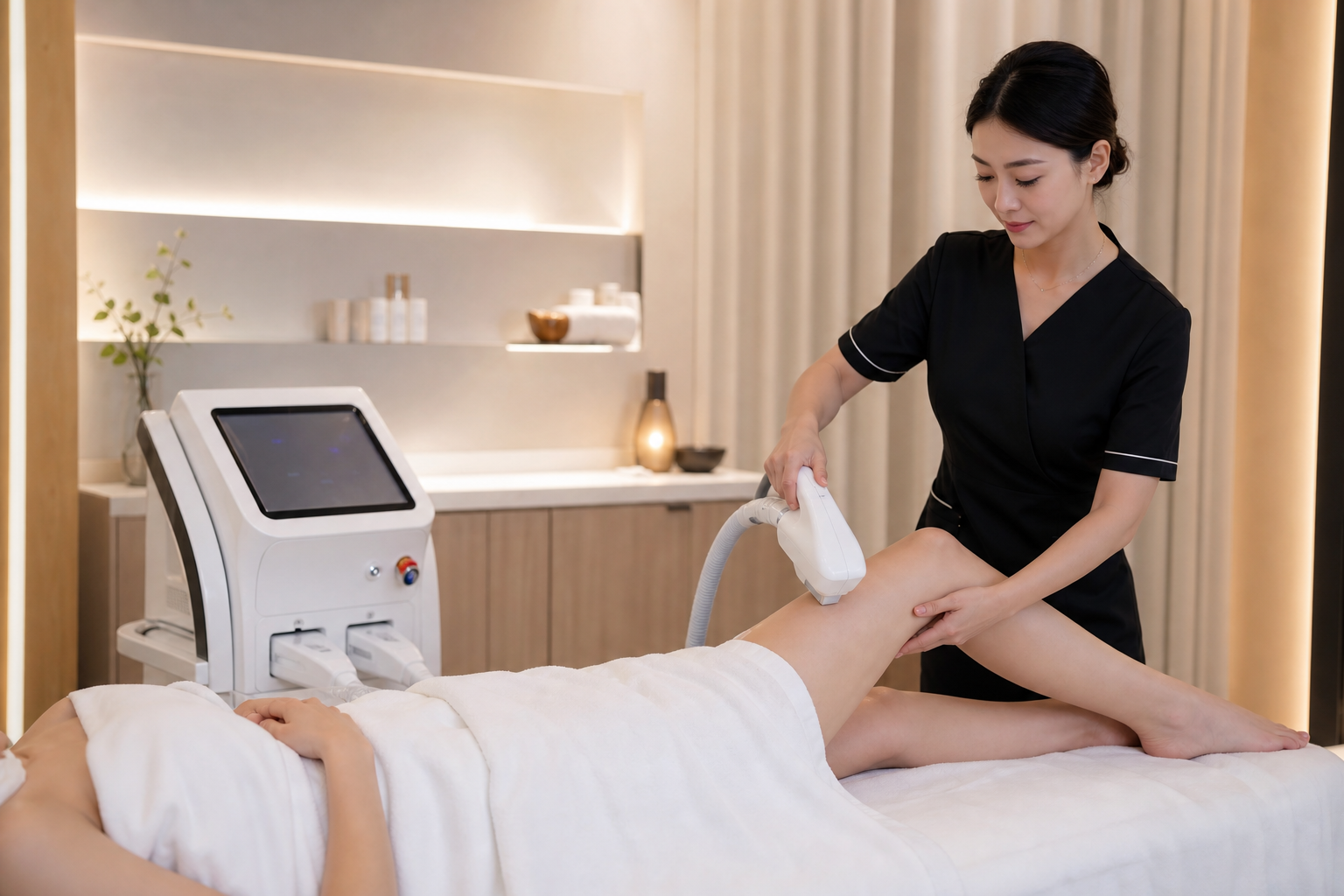
Your first DPL hair removal session at JH Beauty starts with a consultation where your esthetician assesses your hair type, skin tone, and treatment goals. They'll ask about your current hair removal routine (shaving, waxing, etc.), any medications you're taking that might increase photosensitivity, and whether you have a history of keloid scarring or skin conditions like eczema or psoriasis. Once you're cleared for treatment, you'll be asked to shave the treatment area 24 hours before your appointment—this is crucial because DPL targets the hair follicle beneath the skin, not the hair shaft above it. Waxing or plucking removes the follicle entirely, leaving nothing for the light to target, so you must avoid those methods for at least 4 weeks before starting DPL.
On the day of your appointment, you'll lie down on a clean treatment bed in a private room. The esthetician will cleanse the treatment area to remove any oils, lotions, or debris, then apply a thin layer of cooling gel (similar to ultrasound gel) to help the DPL handpiece glide smoothly and protect the skin. You'll be given protective eyewear to shield your eyes from the light. The DPL device itself looks like a handheld wand with a flat glass tip. Your esthetician will press it against your skin and trigger short pulses of light—each pulse lasts a fraction of a second and covers about 1-2 square inches. For small areas like the underarms or upper lip, the entire treatment takes 10-15 minutes. Larger areas like full legs or back can take 30-45 minutes.
Most clients describe the sensation as a warm tingling or mild snapping—nothing like the sharp pain of waxing or the intense heat of laser treatments. If you're particularly sensitive, your esthetician can lower the intensity or apply a topical numbing cream (though most people don't need it). Immediately after the session, the treated area may look slightly pink or feel warm, similar to a mild sunburn. This typically fades within 1-2 hours. You can return to normal activities right away—no downtime, no peeling, no bandages. Over the next 1-2 weeks, the treated hairs will gradually shed as the damaged follicles release them. You'll notice smoother skin and slower regrowth between sessions. For best results, JH Beauty recommends a series of 6-8 treatments spaced 4-6 weeks apart, with occasional maintenance sessions every 6-12 months to catch any dormant follicles that reactivate.
Best Areas for DPL Hair Removal and What Results to Expect
DPL hair removal works on virtually any area of the body where you want to reduce unwanted hair, but some zones respond better than others based on hair thickness, density, and skin sensitivity. The most popular treatment areas at JH Beauty include:
- Underarms: One of the easiest areas to treat and a client favorite. Hair here is typically dark and coarse, which absorbs DPL light efficiently. Most clients see 70-80% reduction after 6 sessions. Treatments take 10-15 minutes and cost $50-$80 per session.
- Bikini line and Brazilian: High-demand for anyone tired of razor burn, ingrown hairs, or painful waxing. DPL is gentler on this sensitive area than laser, with less risk of burns or hyperpigmentation. Expect 60-75% reduction. Sessions take 20-30 minutes and cost $100-$150.
- Legs (full or half): Larger treatment area that requires more time but delivers dramatic convenience—imagine skipping shaving for months at a time. Full legs take 45-60 minutes per session at $200-$250. Half legs (knees down) take 25-30 minutes at $120-$150.
- Face (upper lip, chin, sideburns): Perfect for women dealing with hormonal facial hair or anyone wanting a cleaner look without daily plucking. Underarm treatments are quick and priced at $98; arm is $158 and leg $178. Hair here is often finer, so expect 6-10 sessions for optimal results.
- Back, chest, or abdomen: Popular with men looking to reduce body hair for aesthetic or athletic reasons. These larger areas take 30-45 minutes and cost $150-$250 per session.
Results vary by individual, but here's a realistic timeline: after your first session, you won't see immediate hairlessness—it takes 7-14 days for treated hairs to shed. After session 2-3, you'll notice hair growing back slower and finer. By session 5-6, you'll have 50-70% less hair than when you started. After the full 6-8 session course, most clients maintain smooth skin with just 1-2 touch-up sessions per year. Hair that does grow back tends to be lighter, softer, and easier to manage. DPL doesn't work on white, gray, or very light blonde hair because there's not enough melanin to absorb the light—in those cases, electrolysis is the only permanent option.
DPL Hair Removal Aftercare: How to Maximize Results
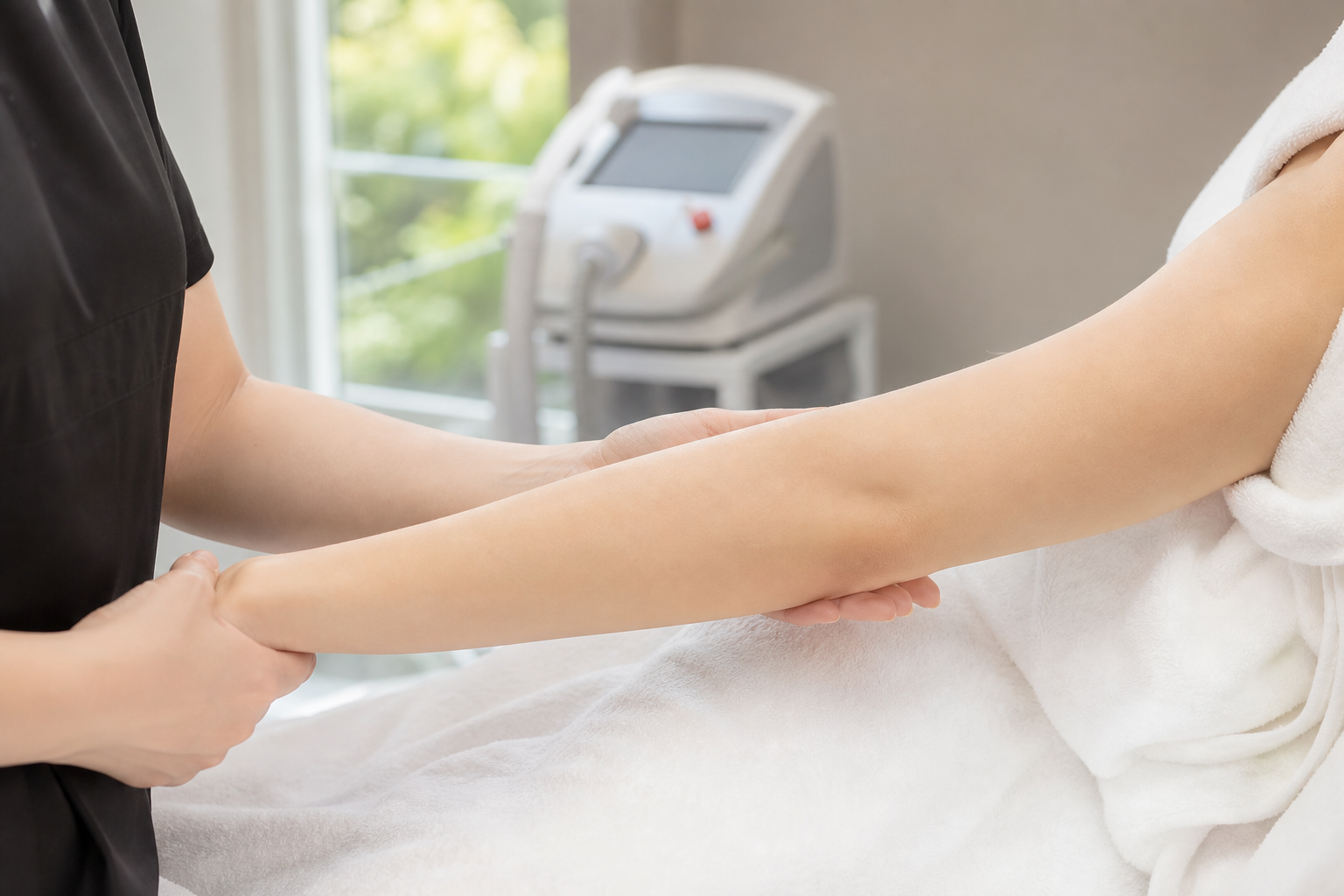
Proper aftercare is key to getting the best results from DPL hair removal and avoiding complications. Immediately after your session, treat the area gently: avoid hot showers, saunas, steam rooms, or intense workouts for 24 hours, since heat can irritate the freshly treated skin and increase inflammation. Stick to lukewarm water and mild, fragrance-free cleansers. If the treated area feels warm or looks pink, apply a cool compress or aloe vera gel to soothe it. This reaction is normal and should fade within a few hours.
For the first 48 hours post-treatment, skip any products containing retinoids, AHAs, BHAs, or benzoyl peroxide on the treated area—these active ingredients can increase sensitivity and cause irritation. Also avoid chlorinated pools, saltwater, and direct sun exposure for 48 hours. If you must go outside, apply a broad-spectrum SPF 30+ sunscreen even though DPL doesn't carry the same sun-sensitivity risks as laser treatments. The goal is to let the skin recover without additional stressors.
Between sessions, continue shaving as needed—this doesn't interfere with DPL effectiveness. In fact, keeping the hair shaft trimmed short helps the light penetrate deeper into the follicle during your next treatment. However, do NOT wax, pluck, thread, or use depilatory creams between sessions, as these methods remove the hair follicle entirely, leaving nothing for the DPL light to target. You'll sabotage your results if you pull hairs out by the root.
You'll notice treated hairs shedding naturally 7-14 days after each session—this is a sign the treatment is working. Resist the urge to pluck or pick at them; let them fall out on their own. Some clients worry when hair grows back between sessions, but this is expected: DPL targets follicles in the active growth phase (anagen), and not all follicles are active at the same time. That's why multiple sessions spaced 4-6 weeks apart are necessary—to catch each follicle when it's vulnerable. Stick to the recommended schedule and avoid skipping or delaying appointments, as consistency is critical for achieving 60-80% permanent reduction. For more anti-aging and skin-perfecting treatments to pair with your DPL sessions, explore our full menu at JH Beauty Sunnyvale.
Who's a Good Candidate for DPL Hair Removal?
DPL hair removal is one of the most inclusive hair reduction methods available, suitable for a wide range of skin tones and hair types. Thanks to its dual-polarized, broad-spectrum light technology, it's safe for all Fitzpatrick skin types (I-VI), including darker complexions that are at high risk for hyperpigmentation or burns with traditional laser treatments. If you've been told in the past that laser hair removal isn't safe for your skin tone, DPL is likely a better option. It's also ideal for anyone with sensitive skin, rosacea, or a history of keloids, since the treatment is gentler and less likely to trigger adverse reactions.
That said, DPL works best on people with dark, coarse hair—think black or dark brown underarm hair, bikini hair, or leg hair. The melanin in dark hair absorbs the light energy most efficiently, leading to better follicle damage and faster results. Light blonde, red, gray, or white hair contains little to no melanin, so DPL won't target it effectively. If your hair falls into that category, electrolysis is the only permanent hair removal method that works regardless of pigment.
DPL is not recommended if you're pregnant or breastfeeding, actively tanning or using self-tanner, taking photosensitizing medications (like certain antibiotics or retinoids), or have active infections, open wounds, or sunburn in the treatment area. Your esthetician will conduct a thorough consultation to rule out contraindications and ensure DPL is safe and effective for you. If you're on the fence about whether DPL or laser is right for your needs, book a complimentary consultation at JH Beauty—we'll assess your skin and hair type, discuss your goals, and recommend the best path forward with zero pressure to commit.
Frequently Asked Questions About DPL Hair Removal
How many DPL sessions do I need to see results?
Most clients need 6-8 sessions spaced 4-6 weeks apart to achieve 60-80% permanent hair reduction. You'll notice results building gradually—less hair, finer regrowth—after sessions 2-3, with maximum smoothness by session 6. Maintenance treatments every 6-12 months help catch any dormant follicles that reactivate over time.
Does DPL hair removal hurt?
DPL is significantly less painful than traditional laser hair removal or waxing. Most clients describe it as a warm tingling sensation or mild snapping feeling. Sensitive areas like the bikini line or face may feel slightly more intense, but it's very tolerable. If you're concerned, ask your esthetician about topical numbing cream, though most people don't need it.
Can I get DPL hair removal if I have dark skin?
Yes. One of DPL's biggest advantages over laser is its safety for all Fitzpatrick skin types, including dark and melanin-rich complexions (types IV, V, and VI). The dual-polarized, broad-spectrum light distributes energy more evenly, reducing the risk of burns, blistering, or hyperpigmentation that can occur with concentrated laser beams.
How much does DPL hair removal cost in Sunnyvale?
Pricing varies by treatment area. Small zones like underarms or upper lip range from $40-$80 per session. Medium areas like bikini line or half legs cost $100-$150. Large areas like full legs or back run $200-$250. Package deals for 6-8 sessions typically offer 10-20% savings. At JH Beauty, we provide transparent pricing during your consultation so there are no surprises.
Can I shave between DPL sessions?
Yes—shaving is encouraged between sessions because it keeps the hair shaft short, allowing the DPL light to penetrate deeper into the follicle. However, do NOT wax, pluck, thread, or use depilatory creams, as these remove the hair root that DPL needs to target. Shaving only cuts the hair above the skin surface, leaving the follicle intact.
Is DPL hair removal permanent?
DPL achieves long-term hair reduction, not complete permanent removal. Most clients see 60-80% reduction after a full treatment course, meaning the majority of hair follicles are permanently damaged and won't produce hair again. However, hormonal changes, medications, or dormant follicles can cause some regrowth over time, which is why occasional maintenance sessions (1-2 per year) are recommended to keep skin smooth.
How long do DPL results last?
Once a follicle is damaged by DPL, the hair reduction is permanent for that follicle. However, not all follicles are active at the same time, which is why multiple sessions are needed. After completing 6-8 sessions, most clients enjoy smooth skin for months to years, with minimal maintenance. Touch-up sessions every 6-12 months help catch any new or reactivated follicles.
About the author
Ruby
Owner and Lead Esthetician, J.H Beauty
Owner of JH BEAUTY, a skincare studio in Palo Alto, CA offering advanced facial treatments, scalp care, and body management using technologies from Japan, Korea, Switzerland, and Italy.