
Laser Hair Removal in Sunnyvale: Cost, Pain & a DPL Option
How laser hair removal works, what it costs and how much it hurts, according to dermatology sources, and where JH Beauty's DPL pulsed-light hair removal fits.
Laser hair removal uses light to heat the pigment in hair, which damages the follicle. Most people need about six to eight sessions spaced six to eight weeks apart. It feels like a rubber band snapping against the skin, and it reduces hair rather than removing it for good. One thing to know up front: JH Beauty in Sunnyvale doesn't offer laser. It offers Korean DPL Hair-Removal, a pulsed-light service: underarms $98 (30 minutes), arms $158 and legs $178 (45 minutes each). This guide covers both, so you can pick the right one.
How Laser Hair Removal Works
Cleveland Clinic puts it simply: heat from a laser destroys cells that hold a lot of pigment. The dark pigment in a hair absorbs the light, the hair carries that heat down to the follicle, and the damaged follicle has a harder time growing hair.
That pigment-first design explains who gets the best results. Cleveland Clinic says laser hair removal "is most effective for people with thick, dark hair and light skin," and "might not work as well for people with dark skin or hair that's blonde, gray, white or red." The American Academy of Dermatology (AAD) adds that it's now also an option for patients with dark skin. That depends on using the right device and settings, which is one reason the AAD recommends a board-certified dermatologist for laser treatments.
What is an Nd:YAG laser?
Nd:YAG (neodymium-doped yttrium aluminum garnet) is one of the main hair removal lasers, alongside the alexandrite (755 nm) and diode (810 nm). It works at a longer wavelength, 1,064 nm. A 2013 review in Dermatologic Surgery found the literature supports alexandrite, diode, Nd:YAG and IPL devices for long-term hair removal, and concluded that because of its longer wavelength, the Nd:YAG is the best laser system for pigmented skin. An earlier review from Howard University's dermatology department likewise named long-pulsed diode and Nd:YAG lasers as best suited to darker skin types, using conservative settings and multiple treatments.
You need several sessions because hair grows in cycles. Cleveland Clinic explains that it's "unlikely that treatments will target all the hairs in their growth phase," so each visit catches a different group of follicles.
Laser vs. Pulsed Light (IPL and DPL): What the Evidence Shows
Both lasers and pulsed-light devices reduce hair by heating pigment, but they deliver the light differently. UT Southwestern Medical Center explains that lasers use a single wavelength, while intense pulsed light (IPL) "emits multiple wavelengths that penetrate the skin to target melanin and hemoglobin." DPL is a filtered, narrower-band member of the pulsed-light family. For a longer explanation, see our DPL light therapy guide.
How do they compare? Here's what the research found:
- A 2006 evidence-based review of 30 controlled trials in the Journal of the European Academy of Dermatology and Venereology found that lasers and light sources produce partial hair reduction and outperform shaving and waxing. Across all its findings, the best evidence was for alexandrite and diode lasers, while "limited evidence was available for IPL sources" (one randomized and one controlled trial). On results beyond six months, it found evidence of partial long-term reduction after repeated alexandrite and diode laser treatments, but "evidence is lacking for long-term hair removal after IPL treatment." The review is almost 20 years old, so it describes the evidence as it stood then, not every study since.
- A 2026 randomized trial treated one underarm with IPL and the other with a diode laser in women with Fitzpatrick skin types I–IV, over four monthly sessions. Forty-eight women started, 36 completed all sessions and 28 came back for the four-week follow-up, so the numbers behind each result are small. Both methods reduced hair count and hair thickness. Four weeks after the last session there was no significant difference, but at about seven months the diode laser side had fewer and thinner hairs. The diode laser also hurt more and caused more swelling around the follicles, while IPL caused more redness. The authors report these effects were temporary and needed no medical treatment. Participant satisfaction favored the diode laser.
So if your main goal is the most long-term reduction, the evidence above favors diode and alexandrite lasers, and the AAD recommends a board-certified dermatologist for laser treatment. The 2026 trial's lower pain scores for IPL apply to the specific IPL and diode devices it tested on underarms; it did not study DPL, and we found no study comparing how a DPL session feels against a laser. Sensation varies from person to person, so ask your provider what to expect. Either way, set expectations with the same line the review ends on: there is "no evidence for a complete and persistent hair removal efficacy."
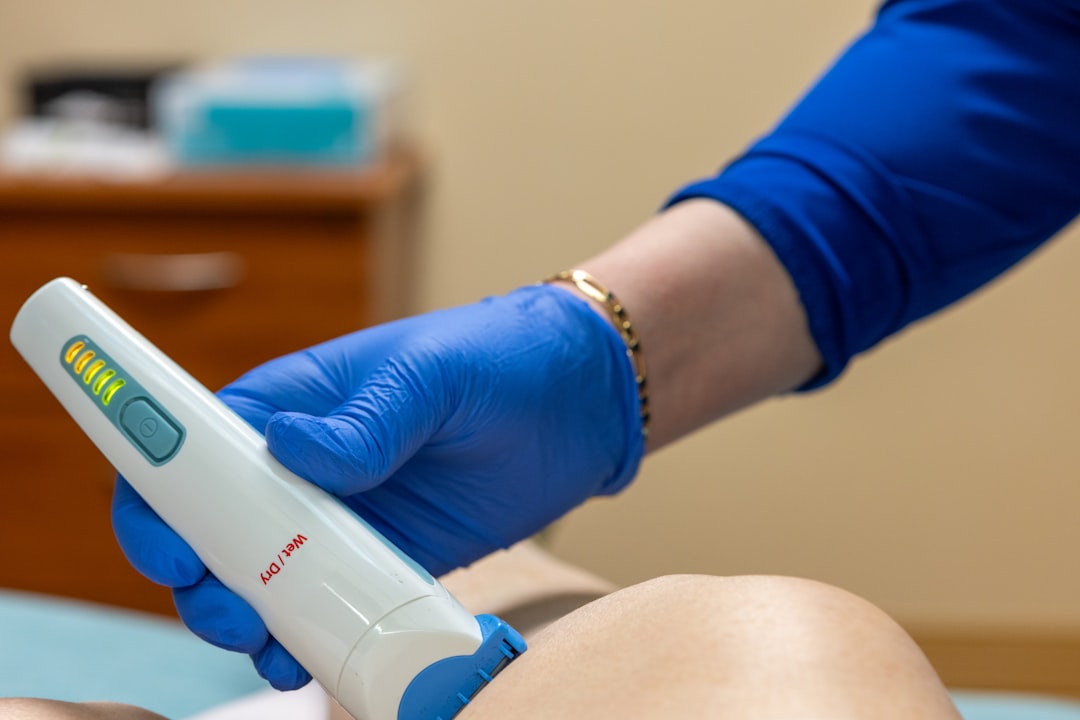
What Laser Hair Removal Costs (and What DPL Costs at JH Beauty)
We couldn't find a published survey of Sunnyvale prices, so here's the most reliable national figure. The American Society of Plastic Surgeons reports that the average cost of "laser skin treatments like laser hair removal" is $697. That figure is a procedure fee and doesn't include other costs. ASPS says prices vary with the provider's experience, the type of procedure, the time involved and your location. The AAD notes that insurance does not cover laser hair removal.
At JH Beauty, the DPL hair removal menu is priced per area, per session:
- Underarm: $98, 30 minutes
- Arm: $158, 45 minutes
- Leg: $178, 45 minutes
Budget for a series, not one visit. Light-based hair reduction works across several sessions, as the next sections explain. Not sure which area to start with? The menu also has a "Choose Service in Store" booking ($50) if you'd like to decide at the studio.
How Much Does It Hurt?
The AAD says many patients describe laser pulses as feeling "like warm pinpricks or a rubber band being snapped against the skin." Cleveland Clinic describes it as "a series of stings." Pulsed light feels similar: UT Southwestern compares IPL to a rubber band snap too.
If pain is your main worry, the 2026 randomized trial is useful: pain scores were "consistently higher" with the diode laser than with IPL on the same person's underarms. That result is limited to the devices and the small group of women it studied; it says nothing directly about DPL, so ask your provider what a DPL session feels like. Afterward, the AAD says the most common side effects of laser hair removal are minor and last 1 to 3 days: discomfort, swelling and redness.
Results: How Many Sessions and How Long They Last
- After the first session: the AAD says to expect "a 10% to 25% reduction in hair."
- Number of sessions: the AAD says most patients need 2 to 6 laser treatments, and its overview notes that removing unwanted hair "can take 6 sessions or more." Cleveland Clinic says most people need six to eight, spaced six to eight weeks apart.
- Is it permanent? Sources word this differently. The AAD overview says it's "permanent on most areas of the body" but "not permanent on a woman's face" because of hormones. Cleveland Clinic says "some hair will grow back, but it's usually lighter and thinner than before." The AAD adds that treatment can be repeated when hair regrows.
- If you want truly permanent removal: Cleveland Clinic calls electrolysis "the only FDA-approved method for permanent hair removal." It works on the widest range of skin and hair types, including light hair that lasers miss, but it treats one follicle at a time and can take weekly or biweekly visits for up to a year and a half.
Who Should Be Careful, and What About Medications?
Cleveland Clinic lists possible side effects of laser hair removal as blisters, burns, herpes (cold sore) outbreaks, darkening or lightening of the skin, infections and scars. It also lists pregnancy as a reason to talk with a healthcare provider before treatment. For pulsed light, UT Southwestern says the ideal candidates have light to medium skin tones, and people with darker skin or melasma may develop hyperpigmentation.
A common question is about antibiotics like doxycycline, because of a theoretical risk of light sensitivity. MedlinePlus (the US National Library of Medicine) warns that doxycycline "may make your skin sensitive to sunlight" and advises avoiding unnecessary or prolonged sun exposure while you take it. Whether that matters for a laser or light session is less clear, and the evidence is limited. A 2019 review in Dermatologic Surgery looked at 36 rosacea patients treated with laser or IPL while taking doxycycline and found no photosensitivity or adverse reactions from the combination. That was a small study of rosacea treatment, not hair removal, and it doesn't single out Nd:YAG or any other hair removal laser, so tell your provider about every medication before booking and let them decide on timing.
People also ask when to resume doxycycline after laser hair removal. We found no published rule, including a specific 48-hour wait. The safer framing is the other way round: MedlinePlus advises taking all of a doxycycline prescription until it's finished unless your doctor tells you otherwise. So don't stop or pause an antibiotic to fit a hair removal appointment on your own. Ask the prescriber whether to reschedule the session instead, and keep the treated skin out of the sun, which Cleveland Clinic advises after laser treatment anyway.
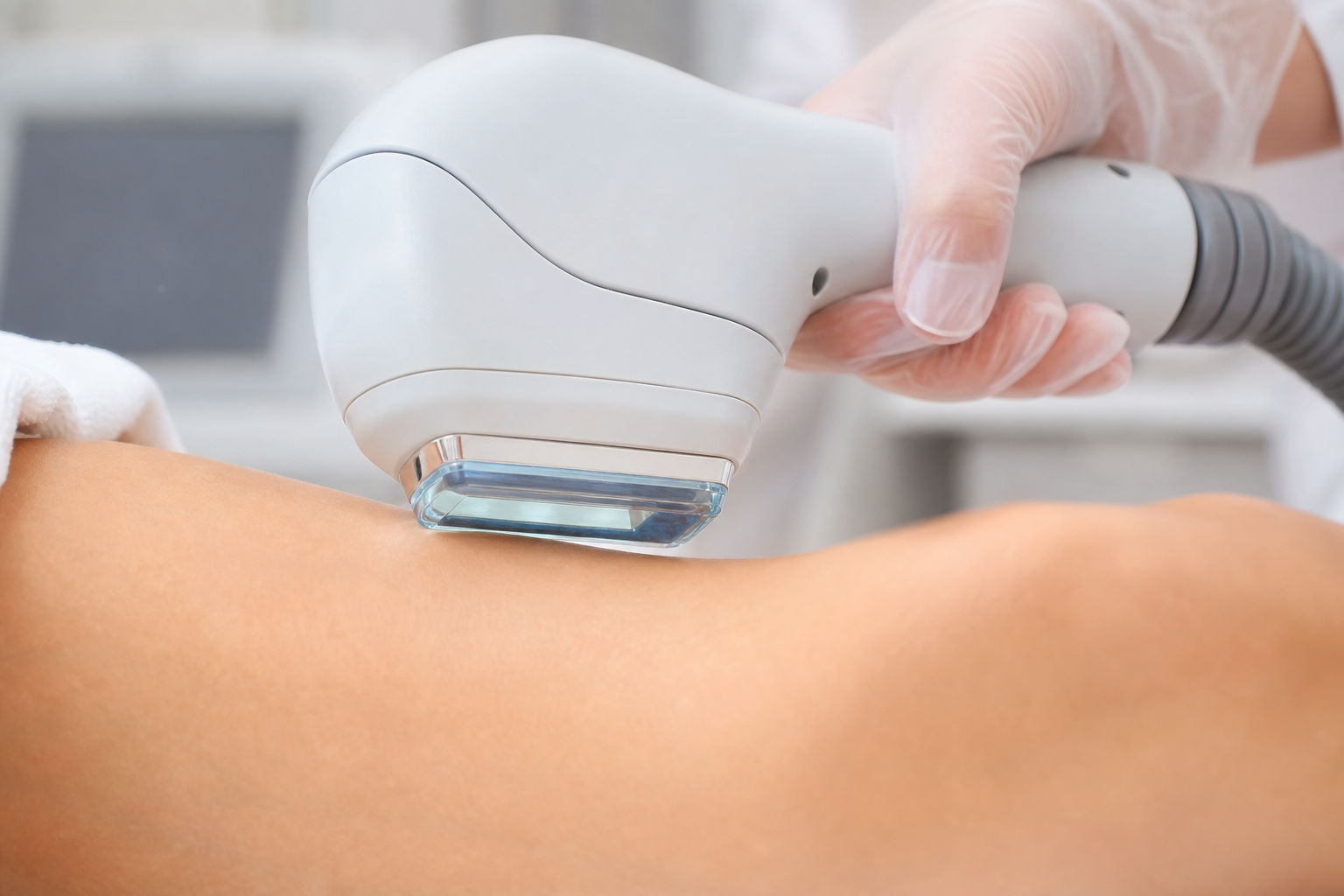
Before and After a Session
Cleveland Clinic's laser prep advice:
- Shave the area two to three days before treatment.
- Don't wax, tweeze or pluck. The treatment needs the hair root in place to work.
And its aftercare:
- Use a cold compress on the treated area if it feels warm.
- Keep the area out of natural and artificial sunlight. The AAD also says not to use tanning beds, sun lamps or other indoor tanning equipment.
Pulsed light also works by targeting pigment, so ask JH Beauty for its own instructions for your DPL session when you book. That's especially important if you've had sun on the area recently or you're taking any medication.
Laser or DPL: How to Choose in Sunnyvale
- Choose a laser clinic if you want the option with the strongest long-term evidence and don't mind more discomfort. Look for a board-certified dermatologist, as the AAD recommends.
- Consider DPL at JH Beauty if you're treating underarms, arms or legs and your hair is dark enough for light-based treatment to work. Ask what a session feels like when you book, since no study we found measured DPL comfort. Prices, preparation and who it suits are on the DPL hair removal in Sunnyvale page.
- Consider electrolysis if your hair is blonde, gray, white or red, or you want permanent removal rather than reduction.
JH Beauty's DPL hair removal covers the underarms, arms and legs only, not the face.
FAQ: Laser and DPL Hair Removal in Sunnyvale
Does JH Beauty offer laser hair removal?
No. JH Beauty offers Korean DPL Hair-Removal, a pulsed-light service, not laser. It's priced at $98 for the underarms (30 minutes), $158 for the arms and $178 for the legs (45 minutes each).
How much does laser hair removal cost?
The American Society of Plastic Surgeons reports an average of $697 for laser skin treatments like laser hair removal, as a procedure fee. Actual prices depend on the provider, the area and your location. Insurance doesn't cover it, according to the AAD.
Is laser hair removal permanent?
It gives long-lasting reduction, not guaranteed permanent removal. Cleveland Clinic says some hair usually grows back lighter and thinner, and the AAD notes that facial results in women aren't permanent because of hormones. Electrolysis is the only FDA-approved permanent method.
Which hurts more, laser or IPL?
In a 2026 randomized trial comparing the two on opposite underarms, pain scores were consistently higher with a diode laser than with IPL. That trial tested one IPL and one diode device on underarms, not DPL. Both are often described as feeling like a rubber band snap.
How many sessions will I need?
The AAD says most patients need 2 to 6 laser treatments and that it can take 6 or more. Cleveland Clinic says six to eight sessions, six to eight weeks apart. Expect about a 10–25% reduction after the first session.
Does laser or DPL work on blonde or gray hair?
Usually not well. Light-based hair removal targets pigment, and Cleveland Clinic notes it may not work as well on blonde, gray, white or red hair. Electrolysis works on those hair colors.
Can I get laser hair removal while taking doxycycline?
The worry is a theoretical light-sensitivity risk. A small 2019 study of rosacea patients treated with laser or IPL while on doxycycline found no photosensitivity reactions, but it didn't study hair removal. Tell your provider about the prescription and let them decide on timing.
When can I resume doxycycline after laser hair removal?
We found no published waiting period. MedlinePlus says to finish a doxycycline prescription unless your doctor tells you otherwise, so don't pause it on your own for an appointment. Ask the prescriber about timing, and protect the treated area from the sun, since doxycycline can make skin more sun-sensitive.
Is Nd:YAG laser hair removal better for darker skin?
Reviews say so. A 2013 Dermatologic Surgery review called the 1,064 nm Nd:YAG the best laser system for pigmented skin because of its longer wavelength. JH Beauty doesn't offer laser; ask a board-certified dermatologist which device suits your skin.
Should I shave or wax before my appointment?
Shave, don't wax. Cleveland Clinic advises shaving two to three days before and avoiding waxing, tweezing and plucking, because the treatment needs the hair root in the follicle.
Booking DPL Hair Removal at JH Beauty
JH Beauty is at 525 W Remington Dr, Suite 102, Sunnyvale, open Tuesday through Sunday, 10:45 AM to 8 PM. Call +1-650-784-6076 or book DPL hair removal from the menu.
About the author
Ruby
Owner and Lead Esthetician, J.H Beauty
Owner of JH BEAUTY, a skincare studio in Sunnyvale, CA offering advanced facial treatments, scalp care, and body management using technologies from Japan, Korea, Switzerland, and Italy.