
Chemical Peels in Sunnyvale: Types, Cost & Recovery Guide
A breakdown of chemical peel types, pricing, and downtime at JH Beauty in Sunnyvale, from light glycolic peels to deeper treatments.
What a Chemical Peel Actually Does
A chemical peel uses an acid solution to remove the outermost layers of damaged skin, triggering your body to regenerate fresher, smoother skin underneath. It's one of the oldest and most reliable resurfacing treatments in professional skincare, and it's still one of the most effective ways to deal with acne scarring, dullness, uneven tone, and fine lines without surgery or lasers.
The acid solution breaks down the bonds holding dead skin cells together on the surface. Once those bonds loosen, the top layer sheds (sometimes visibly flaking, sometimes invisibly at a cellular level) and reveals the newer skin cells forming below. This process also stimulates collagen production in the deeper dermis, which is why peels help with fine lines and texture over time, not just surface tone.
Not all peels are the same strength. Peels are generally grouped into three depths: superficial, medium, and deep. Superficial peels (glycolic acid, lactic acid, mandelic acid) only affect the outermost skin layer and require no real downtime. Medium peels (TCA, Jessner's solution) reach into the upper dermis and cause visible peeling for 3-7 days. Deep peels (phenol) reach further and require a longer recovery, often 1-2 weeks, and are typically reserved for significant sun damage or deep wrinkles. At JH Beauty, most clients start with superficial to medium peels since they deliver strong results with manageable downtime, and treatments can be layered over a series of sessions for cumulative improvement.
If you're also dealing with active breakouts alongside dull or uneven texture, it helps to understand how peels fit into a broader acne strategy. Our guide to professional acne treatment options in Sunnyvale covers how peels compare to light therapy and other in-studio treatments for active acne.
The Main Types of Chemical Peels
Glycolic Acid Peels
Glycolic acid is an alpha-hydroxy acid (AHA) derived from sugar cane, and it has the smallest molecular size of any AHA, which means it penetrates the skin quickly and deeply for its class. It's a favorite for treating dullness, mild sun damage, and early fine lines. Concentrations used in professional settings range from 20% to 70%, with lower percentages used for first-time clients or sensitive skin. Expect mild redness and light flaking for 1-3 days after a stronger session.
Lactic Acid Peels
Lactic acid is a gentler AHA derived from milk, well suited for sensitive or dry skin types since it's also a natural humectant that draws moisture into the skin while it exfoliates. It's a common starting point for clients new to peels or those with rosacea-prone skin who want brightening without much irritation.
Salicylic Acid Peels
Salicylic acid is a beta-hydroxy acid (BHA) that's oil-soluble, meaning it can get down into clogged pores in a way AHAs can't. This makes it the go-to option for acne-prone and oily skin, since it exfoliates inside the pore lining and helps clear blackheads and reduce breakouts alongside its surface benefits.
TCA (Trichloroacetic Acid) Peels
TCA peels sit in the medium-depth category and are typically used for more visible sun damage, acne scarring, and pigmentation issues that superficial peels can't fully address. Recovery involves visible peeling for 5-7 days, and results are more dramatic than surface-level acids. These are usually spaced 4-6 weeks apart to allow full healing between sessions.
Jessner's Solution
A combination peel that blends salicylic acid, lactic acid, and resorcinol, Jessner's solution is often used as a "primer" layer before a TCA peel to get deeper, more even penetration, or on its own for moderate exfoliation without going as deep as TCA alone.
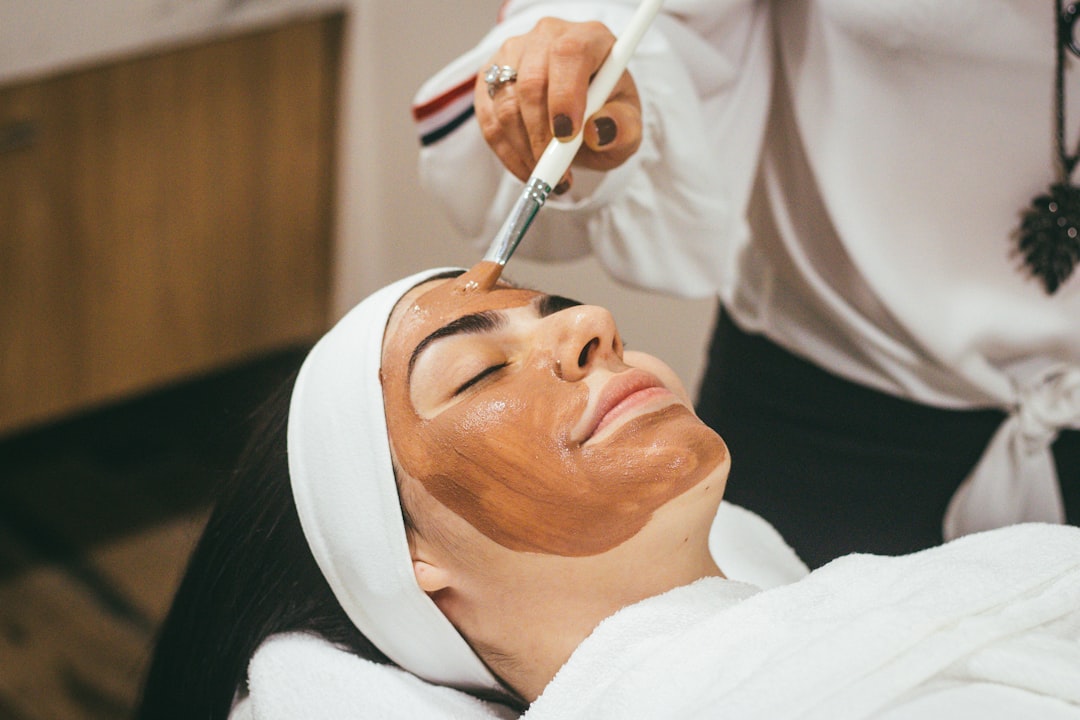
A professional chemical peel session at JH Beauty, tailored to your skin type and goals.
What Chemical Peels Cost in Sunnyvale
Pricing varies significantly depending on peel depth and formula. Here's what to generally expect at professional studios in the Sunnyvale and broader Bay Area market:
- Superficial peels (glycolic, lactic, salicylic): $100-$180 per session
- Medium-depth peels (TCA, Jessner's): $200-$350 per session
- Deep peels (phenol): $600-$1,200, typically performed less frequently and sometimes requiring medical supervision
- Peel series packages (4-6 sessions): often discounted 10-20% versus booking individually
Most clients see noticeable improvement in tone and texture after a single medium-depth peel, but for acne scarring or significant pigmentation, a series of 4-6 sessions spaced 4-6 weeks apart delivers more consistent, longer-lasting results than a single treatment. Superficial peels are sometimes offered monthly as a maintenance treatment for clients who already have healthy skin and want to keep it that way.
Cost also depends on what's bundled into the session. Some studios include LED light therapy, enzyme masks, or hydrating treatments as part of the peel protocol, which affects the total price. When comparing quotes, ask specifically what percentage and type of acid is being used. This is the single biggest driver of both cost and results, and it's the detail some lower-priced peels skip.
Recovery Timeline: What to Expect After Your Peel
Recovery depends entirely on peel depth, but here's a general timeline for a medium-depth peel, which is the most commonly booked option for visible results:
Day 1-2
Skin looks and feels like a mild sunburn: red, tight, and slightly sensitive. Some peels cause a light frosting effect immediately after application that fades within a few hours. Avoid touching, picking, or applying active ingredients (retinoids, vitamin C, exfoliating acids) during this window.
Day 3-5
This is when visible peeling typically starts. Skin flakes or sheds in small patches, and it can look worse before it looks better. Resist the urge to peel skin manually. Let it shed on its own, since picking can cause scarring or uneven pigmentation.
Day 5-7
Peeling completes and fresh skin is revealed underneath. This new skin is more vulnerable to sun damage, so daily SPF 30+ is non-negotiable, even on cloudy days and even if you're mostly indoors near windows.
Week 2 and beyond
Skin continues to settle and tone evens out over the following 2-4 weeks as collagen remodeling continues beneath the surface. Many clients report their best results show up 3-4 weeks after treatment, not immediately after the peeling finishes.
Superficial peels have a much shorter recovery window, often just 24-48 hours of mild flaking or none at all, which is why they're popular as a "lunch break" treatment with no visible downtime. Deep peels require the most care: 1-2 weeks of downtime, strict sun avoidance for months afterward, and sometimes an antiviral prescription beforehand if you're prone to cold sores, since the trauma to the skin can trigger an outbreak.
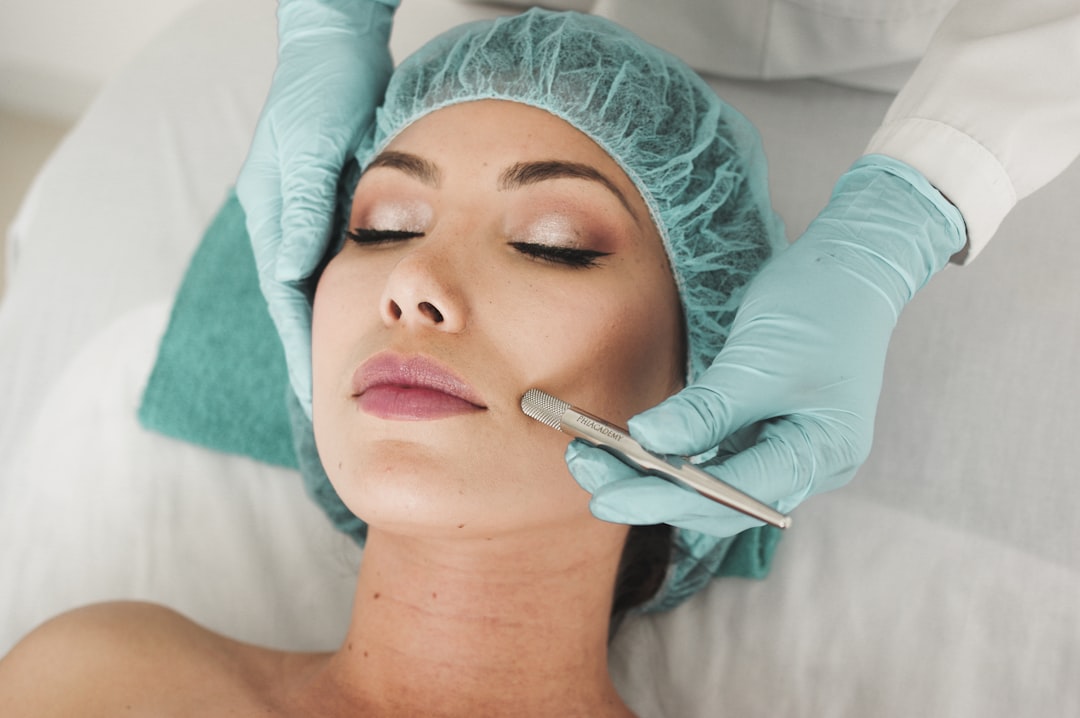
Most clients see their best results 3-4 weeks after peeling completes, as collagen remodeling continues beneath the surface.
Who Should (and Shouldn't) Get a Chemical Peel
Chemical peels work well for a wide range of concerns: acne scarring, hyperpigmentation, melasma, sun damage, dullness, fine lines, and enlarged pores. If you're dealing with stubborn dark spots specifically, it's worth reading our breakdown of melasma treatment options including vitamin C and peels for a more targeted comparison.
That said, peels aren't right for everyone. You should avoid or delay a peel if you:
- Are pregnant or breastfeeding (some acids, particularly salicylic acid in high concentrations, aren't recommended)
- Have used isotretinoin (Accutane) in the past 6-12 months
- Have active cold sores, open wounds, or a recent sunburn
- Have very dark skin tones and are considering a deep peel without an experienced provider (higher risk of post-inflammatory hyperpigmentation)
- Have used retinoids or exfoliating acids in the past 3-5 days before your appointment
A good esthetician will always ask about your skincare routine, medical history, and sun exposure habits before recommending a peel strength. If you're new to peels, starting with a lower-concentration glycolic or lactic acid session lets you gauge how your skin responds before committing to something stronger. Skin that's never been peeled before can react more dramatically than skin that's been conditioned over several sessions, so patience during the first one or two treatments pays off.
How to Prep for Your Peel and Get the Best Results
Preparation matters almost as much as the treatment itself. Stop using retinoids, exfoliating acids, and any prescription acne medication 5-7 days before your appointment; these thin the skin barrier and make it more reactive to the peel acid, increasing the risk of irritation or uneven results. Stay out of direct sun and skip tanning beds for at least a week beforehand, since sun-damaged or actively tanned skin peels less predictably.
On the day of your appointment, arrive with clean, makeup-free skin if possible, and avoid shaving the treatment area (for facial peels, this means skipping any dermaplaning or waxing) for 24-48 hours prior. After the peel, your studio should send you home with a simple aftercare kit: a gentle cleanser, a bland moisturizer, and mineral sunscreen. Skip active ingredients entirely until peeling is fully complete, usually 5-7 days for a medium peel.
Many clients pair their peel series with our full menu of facial and skin treatments to build a longer-term skincare plan, since peels work best as part of an ongoing routine rather than a one-time fix. Booking a consultation first lets your esthetician map out the right depth, frequency, and combination of treatments for your specific skin goals, whether that's fading acne scars, evening out melasma, or just getting an overall brighter, smoother complexion before a big event.
Frequently Asked Questions
How many chemical peel sessions do I need to see results?
A single medium-depth peel can produce noticeable brightening and smoothing, but for acne scarring, melasma, or significant sun damage, most clients need a series of 4-6 sessions spaced 4-6 weeks apart. Superficial peels can be done more frequently, sometimes monthly, as an ongoing maintenance treatment.
Do chemical peels hurt?
Most clients describe a tingling, warm, or mild stinging sensation during application, which typically fades within a few minutes. Superficial peels are usually very tolerable. Medium-depth peels can cause a stronger burning sensation for 5-10 minutes, and estheticians often use a cooling fan or compress to manage discomfort during the session.
Can I wear makeup after a chemical peel?
It's best to avoid makeup for at least 24 hours after a peel, and ideally until visible peeling is complete. Skin is more permeable and sensitive right after treatment, and makeup can trap bacteria or irritate healing skin, increasing the risk of breakouts or uneven healing.
What's the difference between a chemical peel and microdermabrasion?
Chemical peels use acid solutions to dissolve the bonds between dead skin cells and can penetrate into deeper skin layers depending on concentration. Microdermabrasion is a physical exfoliation method that sands away the surface layer with a device. Peels generally deliver deeper, longer-lasting results for pigmentation and scarring, while microdermabrasion is gentler and better suited for surface-level dullness with zero downtime.
Will a chemical peel help with acne scars?
Yes, particularly TCA and Jessner's peels, which reach deeper into the skin to soften the appearance of atrophic (indented) scarring over a series of sessions. Results build gradually, and combining peels with other treatments like microneedling often produces better outcomes than peels alone for deep scarring.