
Hydrogen Scalp Treatment: Science, Results & What to Expect
How molecular hydrogen therapy revitalizes thinning hair by reducing scalp inflammation, boosting circulation, and strengthening follicles.
Why Your Hair Is Thinning (And Why Shampoo Won't Fix It)
If you've noticed more hair in your shower drain or a wider part line, you're not alone. Hair thinning affects roughly 50% of women and 85% of men at some point in their lives. The causes range from genetics and hormonal shifts to chronic stress, nutritional deficiencies, and environmental damage. But here's what most people get wrong: they treat thinning hair as a strand problem when it's actually a scalp problem.
Your hair follicles are tiny organs embedded in your scalp. They need blood flow, oxygen, and nutrients to produce strong, thick strands. When the scalp environment is compromised by inflammation, oxidative stress, or poor circulation, follicles miniaturize. That means each growth cycle produces a thinner, weaker hair until eventually the follicle stops producing visible hair altogether. This is the mechanism behind androgenetic alopecia (pattern hair loss), and it's accelerated by scalp conditions like seborrheic dermatitis, buildup from styling products, and chronic tension from tight hairstyles.
Thickening shampoos and biotin supplements address surface-level symptoms. They might coat the strand to make it look fuller temporarily, but they don't change what's happening at the follicle level. Professional scalp treatments work differently. They target the root cause—literally. At JH Beauty in Sunnyvale, the Hydrogen Scalp Treatment is one of the most requested services for clients dealing with early-stage thinning, postpartum hair loss, and stress-related shedding, all available as part of our professional scalp care menu. It uses molecular hydrogen to reduce scalp inflammation and improve the cellular environment where hair actually grows. For more detail on specific thinning patterns, read our guide to Hydrogen Scalp Treatment for Thinning Hair.
[Continue with rest of the existing content exactly as is...]What Molecular Hydrogen Does for Your Scalp
Molecular hydrogen (H₂) is the smallest molecule in the universe, which gives it a unique ability to penetrate cell membranes, mitochondria, and even cross the blood-brain barrier. When dissolved in water and applied to the scalp, it acts as a selective antioxidant—meaning it neutralizes only the harmful free radicals (specifically hydroxyl radicals) while leaving beneficial reactive oxygen species intact that your immune system needs to function.
Why does this matter for hair growth? Every day, your scalp is exposed to oxidative stress from UV radiation, pollution, chemical hair products, heat styling, and even normal metabolic processes. This oxidative stress damages hair follicle cells, triggers inflammation, and disrupts the hair growth cycle. When oxidative stress becomes chronic, follicles spend less time in the anagen (growth) phase and more time in telogen (resting), which leads to shorter, thinner strands and increased shedding.
Hydrogen therapy works by neutralizing these damaging free radicals at the cellular level. Studies show that molecular hydrogen reduces markers of oxidative stress like malondialdehyde (MDA) and 8-hydroxy-2'-deoxyguanosine (8-OHdG) in tissue. It also activates the Nrf2 pathway, which regulates your body's own antioxidant production. This means hydrogen doesn't just provide temporary antioxidant defense—it teaches your cells to defend themselves more effectively over time.
For scalp health specifically, research from Japan and Korea has documented hydrogen water's effects on seborrheic dermatitis, scalp psoriasis, and androgenetic alopecia. In a 2020 study published in Scientific Reports, researchers found that hydrogen-rich water promoted hair regrowth in mice by reducing inflammation around follicles and increasing levels of growth factors like IGF-1 and FGF-7. While human clinical trials are still limited, dermatologists in Asia have been using hydrogen therapy for scalp conditions for over a decade with consistently positive results.
What Happens During a Hydrogen Scalp Treatment
The hydrogen scalp treatment at JH Beauty takes 60-75 minutes and follows a protocol that's common in Korean and Japanese scalp therapy clinics. The goal is to deeply cleanse the scalp, flood it with molecular hydrogen to reduce inflammation, and finish with nutrient delivery while the scalp is primed for absorption. Unlike a standard shampoo or deep conditioning treatment, this is a clinical-level scalp reset.
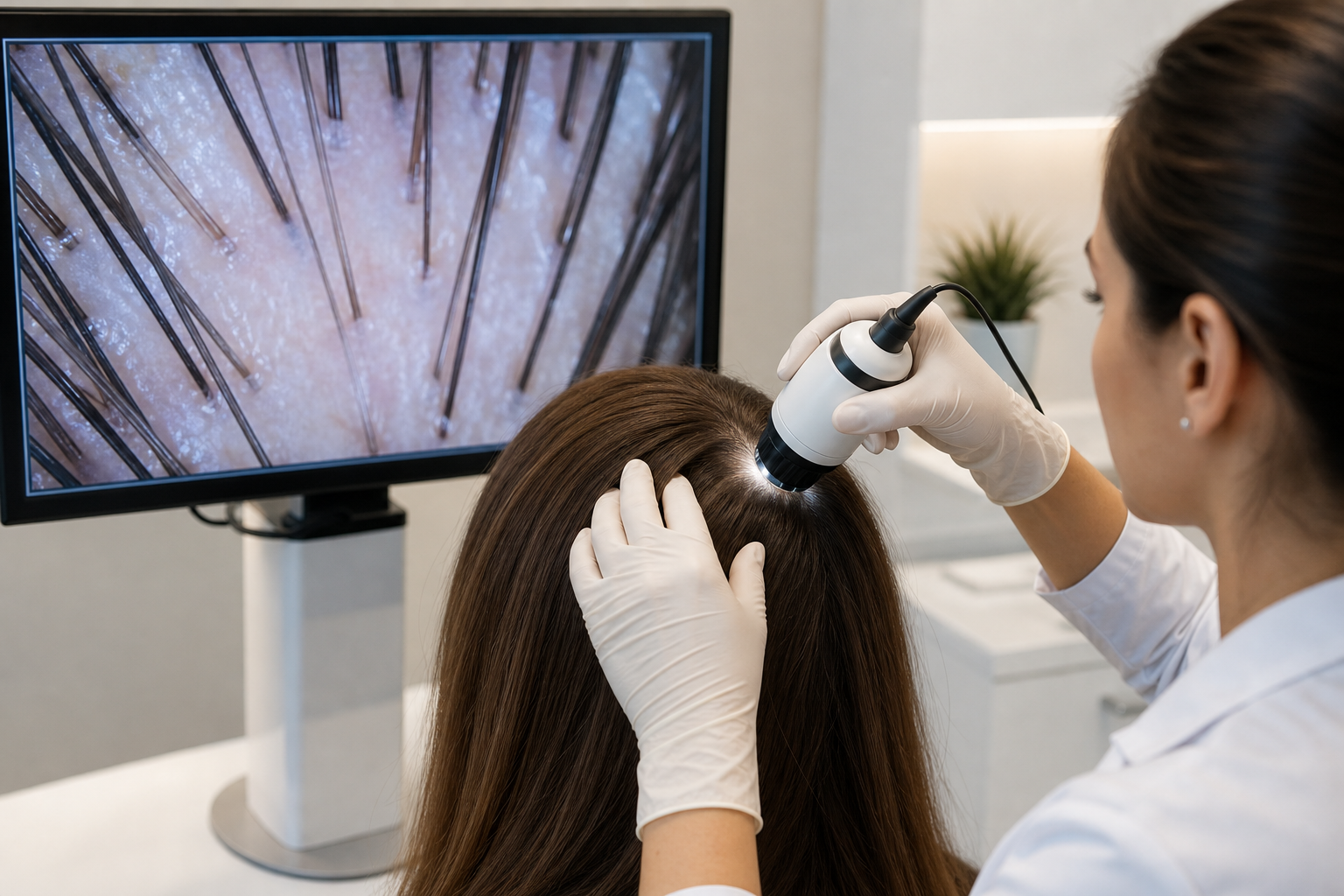
First, your esthetician performs a scalp analysis using a digital microscope to assess buildup, inflammation, follicle health, and sebum balance. This isn't just for show—the analysis determines which additional treatments might be layered in. If your scalp is visibly inflamed or has heavy product buildup, they'll start with a gentle enzyme or clay-based scalp mask to lift debris and calm irritation before moving to the hydrogen phase.
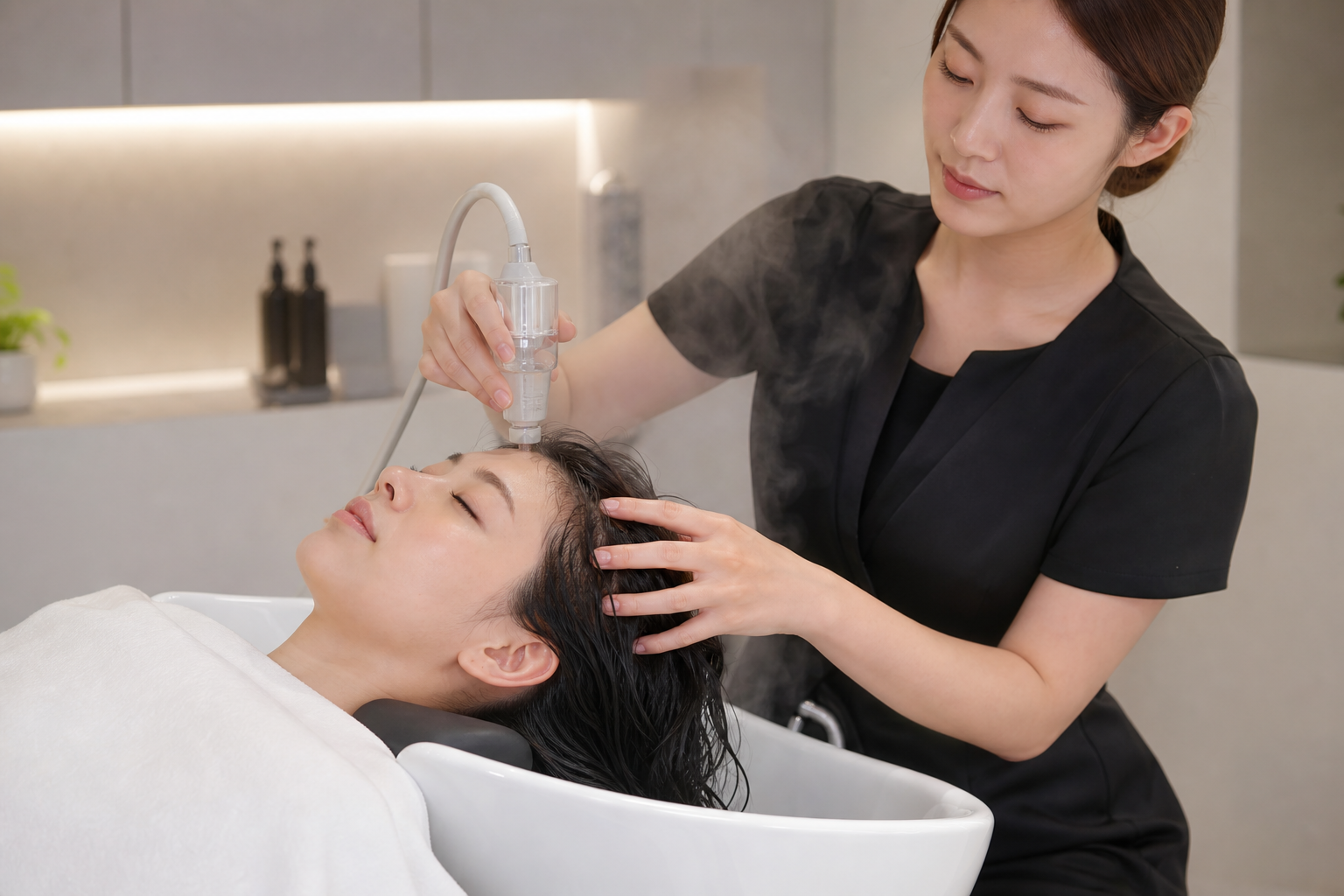
Next comes the hydrogen water infusion. The esthetician uses a hydrogen water generator that produces freshly dissolved molecular hydrogen at a concentration of 1.0-1.6 parts per million (ppm). The hydrogen-rich water is applied generously to the scalp using a spray applicator or soaked cloths. You'll feel an immediate cooling, soothing sensation—there's no tingling or heat like you'd get with peppermint or CO2 treatments. The water is massaged into the scalp using firm but gentle pressure, focusing on areas of thinning or tension.
While the hydrogen water is on your scalp, the treatment often includes a warm steam towel wrap. The heat enhances hydrogen absorption and opens the pores, allowing the molecules to penetrate deeper into the dermal layer where follicles are rooted. Many clients describe this phase as deeply relaxing, almost meditative. The combination of hydrogen's anti-inflammatory effect and the physical relaxation from massage helps reduce scalp tension—a lesser-known contributor to hair loss, especially in people who carry stress in their jaw, neck, and scalp muscles.
After 15-20 minutes of hydrogen saturation, the scalp is gently rinsed and a nourishing serum is applied. Common ingredients include peptides (to stimulate collagen around follicles), caffeine (to improve microcirculation), biotin and panthenol (B vitamins that support keratin production), and hyaluronic acid (for hydration). The serum is massaged in using acupressure points along the scalp meridians—this isn't just pseudoscience; research shows that scalp massage increases blood flow velocity to hair follicles and can improve hair thickness when done consistently over several months.
Who Should Get Hydrogen Scalp Treatments (and How Often)
Hydrogen scalp therapy is most effective for people experiencing early-stage hair thinning or chronic scalp issues that haven't responded well to over-the-counter products. If you've noticed your hair feels thinner, your part is widening, or you're shedding more than usual (more than 100-150 strands per day), and you've ruled out major medical causes like thyroid disorders or severe nutritional deficiencies, hydrogen therapy is a good next step before considering pharmaceutical treatments like minoxidil.
It's particularly effective for stress-related hair loss (telogen effluvium), postpartum shedding, and inflammatory scalp conditions like seborrheic dermatitis or scalp psoriasis. The anti-inflammatory and antioxidant effects can calm an angry, itchy scalp within one to two sessions, and with consistent treatments, many clients report reduced shedding, improved hair texture, and new baby hairs growing in around the hairline within 8-12 weeks.
Hydrogen therapy won't reverse advanced androgenetic alopecia (pattern baldness) on its own, but it can improve the efficacy of other treatments. If you're already using minoxidil, finasteride, or considering PRP (platelet-rich plasma) injections, hydrogen treatments create a healthier scalp environment that makes these interventions work better. Think of it as preparing the soil before planting seeds—no matter how good the seed, it won't thrive in compacted, nutrient-poor soil.
For maintenance and prevention, one hydrogen treatment per month is typically sufficient for people with normal scalp health. If you're actively addressing thinning or inflammation, weekly treatments for the first 6-8 weeks, then bi-weekly for another 4-6 weeks, tend to produce the best results. After that initial intensive phase, you can drop to monthly maintenance. Results are cumulative—hydrogen therapy doesn't produce overnight miracles, but clients who commit to a series of treatments consistently report noticeable improvements in hair density, scalp comfort, and overall hair quality by the three-month mark.
Hydrogen vs. Other Scalp Treatments: What's the Difference?
Walk into any high-end salon and you'll see scalp treatments on the menu: detox treatments, exfoliating scrubs, hydrating masks, and various "clarifying" services. Most of these are helpful for removing buildup and making your hair feel cleaner, but they don't address the biological processes that determine hair growth. Hydrogen therapy is fundamentally different because it works at the cellular level to reduce oxidative stress and inflammation—two of the primary drivers of hair follicle aging.
Compare hydrogen to other professional scalp treatments: CO2 carboxy therapy increases oxygen delivery to follicles by triggering the Bohr effect (your body's natural response to carbon dioxide). It's excellent for improving circulation, especially in people with poor blood flow to the scalp. Hydrogen therapy, on the other hand, neutralizes oxidative damage and calms inflammation. The two treatments complement each other beautifully—many clients at JH Beauty alternate between CO2 and hydrogen sessions to address both circulation and inflammation.
PRP (platelet-rich plasma) injections involve drawing your blood, concentrating the platelets, and injecting the growth-factor-rich plasma into the scalp. PRP is more invasive and more expensive (typically $500-$800 per session), but it directly delivers growth factors to follicles. Hydrogen therapy doesn't inject anything—it's completely non-invasive—but by reducing the oxidative stress that degrades growth factors, it can make PRP treatments more effective. Some clinics now recommend hydrogen therapy as a pre- and post-PRP protocol to optimize results.
Microneedling with growth serums creates micro-injuries in the scalp to trigger healing responses and improve product penetration. It's effective but requires downtime (scalp can be red and sensitive for 24-48 hours). Hydrogen therapy has zero downtime—you can get a treatment on your lunch break and go back to work. For people who want professional-grade results without needles, injections, or recovery time, hydrogen is the most accessible option.
Frequently Asked Questions About Hydrogen Scalp Treatment
Does hydrogen scalp treatment hurt?
No, the treatment is painless and actually quite soothing. Unlike treatments that cause tingling (like peppermint or menthol masks) or warmth (like CO2 therapy), hydrogen water feels cool and calming on the scalp. Most clients find the massage portion deeply relaxing.
How soon will I see results?
You'll likely notice reduced scalp itchiness or irritation within 1-2 treatments. For hair growth improvements—reduced shedding, new growth around the hairline, thicker texture—most clients see visible changes after 8-12 weekly treatments. Hair grows slowly (about half an inch per month), so patience is key.
Can I combine hydrogen therapy with minoxidil or other hair loss treatments?
Yes, hydrogen therapy is compatible with topical minoxidil (Rogaine), finasteride, biotin supplements, and other hair loss treatments. In fact, by reducing scalp inflammation, hydrogen can improve how well these products absorb and work. Always tell your esthetician what you're currently using so they can adjust the treatment protocol if needed.
Is hydrogen therapy safe for color-treated or chemically treated hair?
Absolutely. Hydrogen water is pure H₂ dissolved in water—there are no harsh chemicals, sulfates, or stripping agents. It won't affect your hair color, keratin treatment, or perm. The treatment focuses on the scalp, not the hair shaft itself.
How much does hydrogen scalp treatment cost?
At JH Beauty in Sunnyvale, a single hydrogen scalp treatment session costs $258 depending on whether you add on other services like scalp exfoliation or LED light therapy. Package pricing for a series of 6-8 treatments offers better value if you're committing to a full protocol.
Pricing and booking: see current prices, session lengths and packages for scalp treatments in Sunnyvale.
Where the Research Stands Today
The 2020 Scientific Reports study on hydrogen-rich water and hair regrowth was an early signal, not the final word. Since then, additional clinical work out of Korea and Japan through 2025 has reinforced the same mechanism: molecular hydrogen lowers oxidative stress markers around the follicle and extends time spent in the anagen (growth) phase. Dermatology clinics across Seoul and Tokyo have now used hydrogen scalp protocols for well over a decade with consistent client-reported improvement, which is why JH Beauty brought the treatment to Sunnyvale rather than a newer, less-tested technology.
What's changed most since 2026 isn't the underlying science, it's access. Hydrogen water generators that once required a dermatology-grade device are now compact enough for a spa treatment room, which is part of why this protocol has become one of our most-booked scalp services this year.
Frequently Asked Questions
Is the hydrogen scalp treatment still considered effective in 2026?
Yes. The core mechanism, reducing oxidative stress and inflammation around hair follicles, has held up across multiple studies since the original 2020 research, and clinics in Korea and Japan have used it clinically for over a decade with consistent results.
How soon will I notice results?
Most clients notice reduced scalp tension and less shedding within 3-4 sessions. Visible thickening at the follicle level typically takes 8-12 weeks, since that's roughly one full hair growth cycle.
Can I combine hydrogen scalp treatment with other hair loss treatments?
Yes. Many clients pair it with minoxidil or supplements their doctor has recommended. Because hydrogen therapy works on inflammation and circulation rather than hormone pathways, it complements rather than conflicts with most other approaches. Check with your dermatologist if you're on prescription treatment.
About the author
Ruby
Owner and Lead Esthetician, J.H Beauty
Owner of JH BEAUTY, a skincare studio in Palo Alto, CA offering advanced facial treatments, scalp care, and body management using technologies from Japan, Korea, Switzerland, and Italy.