
Maximize Your Glow with Nir/DPL Milk-light PhotoFacial
Radiate Beauty with Advanced Light Therapy
What DPL Milk-Light PhotoFacial Actually Does (And What It Doesn't)
DPL stands for Dynamic Pulsed Light, a filtered light therapy that sits between standard LED treatment and aggressive IPL (Intense Pulsed Light). The "milk-light" nickname comes from the soft, diffused quality of the beam—it's gentler than the sharp zapping sensation of traditional IPL, but more powerful than a basic red-light panel you'd use at home.
At JH Beauty, the Korean Nir-DPL Milk-Light PhotoFacial uses two primary wavelengths: near-infrared (NIR, around 830nm) and red light (around 633nm). The near-infrared penetrates deeper into the dermis to stimulate fibroblast activity, the cells responsible for collagen and elastin production. Red light works closer to the surface, calming inflammation and speeding up cellular turnover. Together, they target signs of aging, uneven tone, and sluggish skin that's lost its glow.
What DPL won't do: it won't erase deep wrinkles overnight, won't remove active cystic acne in one session, and won't replace more aggressive treatments like chemical peels or microneedling if you need serious texture correction. What it will do: reduce redness and inflammation within 24 hours, improve overall radiance after 2-3 sessions, and gradually build collagen density over a series of 6-8 treatments. Think of it as a reset button for tired, dull skin rather than a single-fix miracle.
The treatment is available at JH Beauty as part of our advanced light therapy protocols, priced at $258 per session depending on customization. Most clients start with a series of 6 sessions spaced 2-3 weeks apart, then transition to monthly maintenance.
How DPL Differs from IPL and Standard LED Panels
If you've researched light therapy before, you've probably encountered IPL, LED masks, and now DPL. They're not interchangeable. IPL (Intense Pulsed Light) uses a broad spectrum of wavelengths (500-1200nm) and delivers high-energy pulses to target pigment and blood vessels. It's effective for sun damage and broken capillaries, but it can be harsh—there's often downtime, redness, and risk of hyperpigmentation on darker skin tones. IPL feels hot and sharp, like a rubber band snap.
Standard LED panels or masks emit continuous, low-level light at fixed wavelengths (usually 630nm red or 415nm blue). They're gentle and safe for daily home use, but the energy density is low. You'd need 20-30 minutes per session, several times a week, for months to see noticeable results. They work, but slowly.
DPL sits in between. It uses filtered, pulsed light at specific therapeutic wavelengths (not the full IPL spectrum), delivering more energy than LED but with less heat and discomfort than IPL. The pulses are short and controlled, which means the light penetrates deeper than LED without the surface trauma of IPL. The sensation is warm and soothing, not painful. There's no downtime, no flaking, and minimal risk of pigmentation changes even on medium to darker skin tones (Fitzpatrick III-IV).
The practical difference: DPL gives you results faster than LED (noticeable improvement in 3-4 sessions instead of 12-16 weeks of home use) with way less discomfort and risk than IPL. It's the middle path for people who want professional-grade results without aggressive intervention. For more context on how light therapy compares to other anti-aging options, read our guide to collagen-stimulating facials vs. fillers.
What to Expect During a DPL Session at JH Beauty
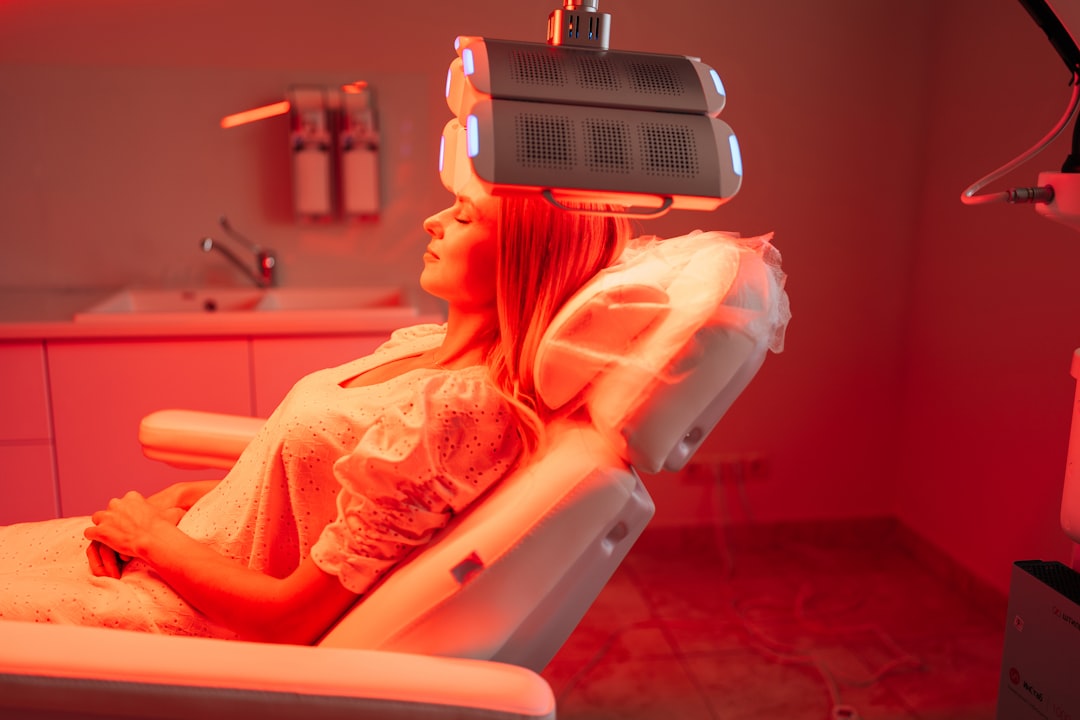
A DPL Milk-Light PhotoFacial at JH Beauty takes about 30-45 minutes from start to finish. You'll arrive with a clean face—no makeup, no active ingredients (retinol, acids) for 24 hours before the appointment. The esthetician begins with a gentle cleanse to remove any residual oil or sunscreen, then applies a cooling gel to your face. The gel acts as a conductor, helping the light penetrate evenly without hot spots.
You'll put on protective goggles (the light is bright and can be uncomfortable to look at directly), and the treatment begins. The esthetician moves the DPL handpiece across your face in slow, overlapping passes. Each pulse lasts a fraction of a second and feels like a warm, gentle pressure—not painful, just noticeable. Most people find it relaxing, almost meditative. The warmth is pleasant, especially in the cooler treatment rooms at JH Beauty.
The handpiece covers your entire face: forehead, cheeks, nose, chin, jawline. If you're treating specific concerns (redness on the cheeks, pigmentation on the forehead), the esthetician will spend extra time on those zones. After the light therapy portion is complete, they'll wipe off the gel, apply a hydrating serum or calming mask, and finish with SPF. You'll look slightly flushed immediately after—like you just finished a light workout—but that fades within 30-60 minutes.
There's zero downtime. You can put makeup back on right away (though most people don't want to—the glow is real). Your skin might feel a bit tight or warm for an hour or two, but that's it. No peeling, no crusting, no redness that lasts days. You can go back to work, hit the gym, or attend an event the same day.
Results Timeline: What You'll See (And When)
Light therapy is cumulative. You won't walk out of session one with brand-new skin, but you will notice subtle improvements within 24-48 hours. Here's what the typical progression looks like over a full treatment series:
After Session 1
Your skin looks brighter and more awake. The immediate post-treatment glow (that flushed, healthy look) fades after an hour, but a subtler radiance sticks around for 2-3 days. If you had active redness or inflammation before the treatment, you'll see it's calmed down significantly. Early-stage pigmentation (light sun spots, post-acne marks) may look slightly darker for a day or two as the melanin rises to the surface before fading.
After Sessions 2-4
This is where the collagen stimulation kicks in. Your skin starts to feel plumper and more hydrated. Fine lines around the eyes and mouth soften. Pore size appears smaller because the skin is tightening at the dermal level. Pigmentation continues to fade—dark spots lighten by 20-30% from baseline. Redness from rosacea or broken capillaries becomes less noticeable. Friends start asking if you're using new skincare or if you've been on vacation.
After Sessions 5-6
Full results show up here. Skin tone is noticeably more even. Texture is smoother. The "tired skin" look—that dull, grayish cast that appears when collagen production slows—is replaced by a healthy, naturally lit-from-within glow. If you took before photos (and you should), the difference is clear. Most clients at this stage transition to monthly maintenance sessions to sustain the improvement.
One important note: results vary based on starting skin condition, age, and lifestyle factors (sun exposure, smoking, sleep quality, diet). Someone in their early 30s with mild pigmentation will see faster, more dramatic results than someone in their 50s with deep sun damage and advanced collagen loss. DPL can't reverse 20 years of damage in six sessions, but it can meaningfully improve what's there.
Who Should (and Shouldn't) Get DPL Photofacials
DPL is suitable for most skin types and concerns, but it's not universal. Here's who benefits most and who should look at other options:
Ideal Candidates
You're a great fit for DPL if you have mild to moderate pigmentation (sun spots, post-acne marks, melasma), persistent redness (rosacea, broken capillaries, generalized inflammation), early signs of aging (fine lines, dull texture, loss of firmness), or you're looking for a maintenance treatment to sustain results from more aggressive procedures (like microneedling or peels). DPL works well on Fitzpatrick skin types I-IV (fair to medium-olive tones) with minimal risk of post-inflammatory hyperpigmentation.
Not the Right Fit
DPL isn't appropriate if you're pregnant or nursing (light therapy effects on fetal development aren't well-studied), taking photosensitizing medications (certain antibiotics, acne meds, diuretics—ask your provider), have active skin infections (cold sores, open acne lesions, eczema flare-ups), or you've had recent sun exposure or tanning (wait at least 2 weeks). If you have very dark skin (Fitzpatrick V-VI), DPL can still be used safely, but the settings need to be carefully adjusted to avoid triggering melanin overproduction. JH Beauty offers a consultation before booking to confirm you're a good candidate.
If your primary concern is deep wrinkles, severe acne scarring, or significant skin laxity, DPL alone won't deliver the results you want. It's better paired with other modalities—like combining it with DPL acne therapy for active breakouts or following up with a collagen-inducing treatment after your DPL series wraps up.
Frequently Asked Questions
Does DPL hurt?
No. Most people describe it as a warm, gentle pressure. There's no sharp stinging or burning sensation like you'd get with IPL. If you've ever used a heated jade roller or a warm compress, it's similar—soothing rather than uncomfortable. If you have extremely sensitive skin, you might feel slight tingling, but it's never painful.
How much does a DPL photofacial cost at JH Beauty?
A single session typically runs $150-$200 depending on customization and add-ons. Most clients purchase a package of 6 sessions (recommended for best results) at a discounted rate—around $900-$1000 total. That breaks down to about $150-$165 per session, which is competitive with other professional light therapy options in Sunnyvale.
Can I do DPL if I have acne?
Yes, but it depends on the type of acne. DPL works well for inflammatory acne (red, swollen papules and pustules) because the light calms inflammation and kills acne-causing bacteria. If you have active cystic acne or open lesions, your esthetician may skip those areas during treatment or recommend waiting until the breakout settles. For persistent acne, consider pairing DPL with our back facial deep-cleansing treatments for full-body management.
How long do results last?
After a full series (6 sessions), results typically last 4-6 months before you notice a gradual return to baseline. Collagen production doesn't stop immediately, but it does slow down over time as natural aging continues. Most clients maintain results with one session every 4-6 weeks. If you stop treatments entirely, your skin won't get worse than it was before—it just won't keep improving.
Can I combine DPL with other facials?
Absolutely. DPL pairs well with hydrating facials, enzyme treatments, and gentle peels. At JH Beauty, we often layer DPL with Korean skincare protocols that focus on brightening and barrier repair. Just avoid aggressive exfoliation (microdermabrasion, strong acids, retinol) within 48 hours of your DPL session—your skin will be more receptive to light therapy when it's calm and intact, not freshly abraded.
Pricing and booking: see current prices, session lengths and packages for Korean facials in Sunnyvale.
About the author
Ruby
Owner and Lead Esthetician, J.H Beauty
Owner of JH BEAUTY, a skincare studio in Palo Alto, CA offering advanced facial treatments, scalp care, and body management using technologies from Japan, Korea, Switzerland, and Italy.