
Korean Nir-DPL Milk-Light Therapy: Brighter, Even Skin Tone
How JH Beauty's Nir-DPL Milk-Light Therapy fades sun spots, redness, and dullness for smoother, even-toned skin.
What Is Korean Nir-DPL Milk-Light Therapy?
If you've been chasing even, luminous skin and keep hitting a wall with redness, dullness, or patchy tone, Nir-DPL Milk-Light Therapy is worth understanding before you try anything more aggressive. It's a light-based treatment that combines near-infrared (Nir) energy with DPL, or diode pulsed light, to work on skin tone at a level that topical products can't reach on their own.
The "milk-light" name comes from the visual effect: after a series of sessions, skin often takes on a softer, more uniform, almost porcelain-like look. That's not a marketing gimmick so much as a description of what happens when light energy targets excess pigment and superficial redness at the same time, calming both in one pass. At JH Beauty in Sunnyvale, this treatment runs $258 for a 75-minute session, and it's one of a few light-based options on the menu, alongside the DPL Light Therapy line, so it's worth knowing where it fits.
Unlike ablative treatments that remove a layer of skin, Nir-DPL Milk-Light works by delivering controlled pulses of light that the skin absorbs selectively. Melanin and hemoglobin, the pigments responsible for dark spots and redness, absorb more of this light energy than the surrounding tissue. That selective absorption is what lets the treatment fade uneven tone without damaging the healthy skin around it. Clients often describe the sensation as a series of quick, warm snaps, similar to a rubber band flick, rather than anything sharply painful.
This isn't a one-and-done fix. Skin tone concerns built up over years of sun exposure, hormonal changes, or inflammation need a series of treatments spaced a few weeks apart, which we cover below. But for someone dealing with sun spots, post-acne redness, or general unevenness that concealer can't quite hide, it's one of the more targeted options available without going the route of prescription retinoids or deeper chemical peels.
What Skin Concerns Does It Actually Target?
Nir-DPL Milk-Light Therapy is built for tone and texture issues rather than deep wrinkles or volume loss, so it helps to know what it's good at before booking. The three things it addresses most reliably are uneven pigmentation, redness or rosacea-like flushing, and the dull look that comes from slow cell turnover.
- Sun spots and age spots: Years of UV exposure create small clusters of excess melanin. The light energy breaks these up so they fade over the following weeks as skin naturally sheds the treated cells.
- Post-inflammatory redness: Whether it's leftover redness from acne, small broken capillaries, or general flushing, the light targets hemoglobin in those vessels and reduces visible redness over a series of sessions.
- Uneven, dull-looking skin: Even without visible spots, skin can look flat when tone isn't consistent across the face. The treatment evens out the complexion, which is where the "milk" effect comes from.
- Enlarged pores and mild texture issues: As a secondary benefit, the light energy stimulates some collagen response, which can make pores look tighter and skin feel smoother.
It's available both for the face and the back, which matters for clients dealing with chest or back breakouts that leave dark marks, a concern that's often overlooked in facial-focused treatment plans. If your main concern is fine lines and sagging rather than tone, the RF Anti-aging V-shape & Lifting Treatment is built for that job instead, and it's worth discussing which concern to prioritize first since combining approaches over time tends to work better than trying to solve everything in one session.
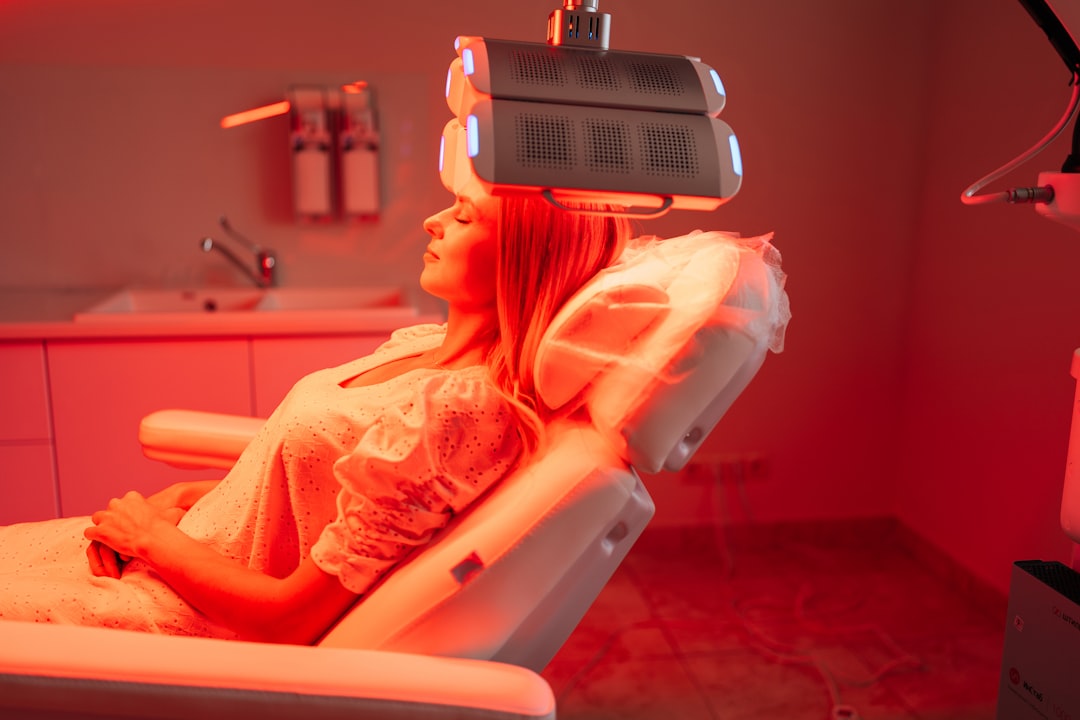
Nir-DPL Milk-Light Therapy uses controlled light pulses to target excess pigment and redness beneath the skin's surface. Photo: Corinne Sawers via Unsplash.
What Happens During a Session
A 75-minute Nir-DPL Milk-Light appointment starts with a skin assessment. Your esthetician checks where pigmentation and redness sit, how your skin reacts to light exposure, and whether you've had recent sun exposure, since fresh tans or sunburns need to calm down before treatment. Skin is then cleansed and a cooling gel applied, both to protect the surface and help the light energy transmit evenly.
The device passes over the treatment area in controlled pulses. You'll feel warmth and small snapping sensations, rated around a 3 or 4 out of 10 for discomfort by most clients, milder than laser hair removal but more noticeable than a standard facial. The face typically takes 20 to 30 minutes to treat; if you're doing the back too, plan for the fuller 75-minute window. Afterward, skin can look flushed for a few hours, similar to a light sunburn, and visible dark spots may darken further before flaking off over the next one to two weeks. That's expected and part of how the treatment works, not a sign of irritation.
Aftercare is simple but non-negotiable: broad-spectrum SPF 30 or higher for at least two weeks post-treatment, no picking at darkened spots, and holding off on retinoids or exfoliating acids for five to seven days while skin recovers. Clients often see calmer, more even skin within a week, with the fuller brightening effect building over the following weeks. There's no real downtime in the sense of staying home, most people return to work or errands right away, but sun avoidance is the rule that determines whether results hold.
How Many Sessions Do You Need, and How Does It Compare to Other Options?
Skin tone concerns rarely resolve in a single visit, and Nir-DPL Milk-Light Therapy is no exception. Clients typically see real improvement over a series of 3 to 6 sessions, spaced 3 to 4 weeks apart, which gives skin time to process the treated pigment between visits and lets your esthetician adjust intensity based on how skin responds. Maintenance sessions every few months help hold results, especially for anyone who spends a lot of time outdoors or has a history of melasma, since pigmentation issues tend to return rather than disappear for good.
How does it compare to other options at JH Beauty? The DPL Light Therapy treatment shares some underlying technology but leans more toward anti-aging and hair reduction, so it's a reasonable complement if collagen stimulation is also a goal. Chemical peels, covered in our guide to chemical peels in Sunnyvale, work by resurfacing the skin's top layer and can address tone too, but come with more visible peeling and a stricter downtime window. For melasma specifically, our melasma treatment guide goes deeper into why light-based treatments need care for hormonal pigmentation, since aggressive heat can occasionally worsen melasma rather than improve it.
The honest comparison: Nir-DPL Milk-Light sits in a middle zone. It's gentler and lower-downtime than a deep chemical peel, and more targeted at tone than a standard facial, but it takes a full series to see its best results rather than one dramatic reveal.
Who Should Consider This Treatment (and Who Should Skip It)
Nir-DPL Milk-Light Therapy works best for clients with fair to medium skin tones dealing with sun damage, post-acne marks, or general redness. Because the treatment targets pigment and blood vessels using light absorption, clients with very deep skin tones need a careful consultation first. The wrong settings on darker skin can trigger hyperpigmentation instead of fixing it, so an experienced esthetician adjusting intensity for your Fitzpatrick skin type matters more than the device itself.
People who are currently pregnant, have active cystic acne in the treatment area, or have taken oral isotretinoin (Accutane) in the last six months should hold off and ask their provider first. The same goes for anyone with a recent tan, since tanned skin absorbs light differently and raises the risk of uneven results. If you're on strong exfoliating actives like retinoids, AHAs, or BHAs, plan to pause them for about a week before your appointment so skin isn't already sensitized going in.
On the other hand, if your main goal is smoothing fine lines or restoring lost volume rather than fixing tone, this isn't the most efficient treatment to start with. It's built around pigment and redness, not collagen loss or sagging, so pairing it with a lifting treatment down the road often makes more sense than expecting one modality to solve every concern at once.
Getting the Most Out of Your Results
A few habits make a real difference in how long results last after a series of Nir-DPL Milk-Light sessions. Daily SPF is the single biggest factor: new sun exposure creates new pigment, which can undo weeks of progress in a single beach trip. Look for a broad-spectrum SPF 30 or higher and reapply if you're outdoors for more than two hours.
- Space sessions consistently: Skipping around on scheduling slows the cumulative effect that makes the "milk" look show up.
- Avoid picking at flaking spots: Let pigment shed naturally. Picking can cause scarring or new dark marks.
- Pair with gentle skincare: Vitamin C serums and gentle moisturizers support the skin between sessions without disrupting the healing process.
- Book a consultation first: Skin type, sun exposure history, and current products all affect how many sessions you'll realistically need.
Before your appointment, come with clean skin and minimal makeup, and skip self-tanner for at least a week. That gives your esthetician an accurate read on your skin's current tone and lets the light energy transmit without interference from product buildup.
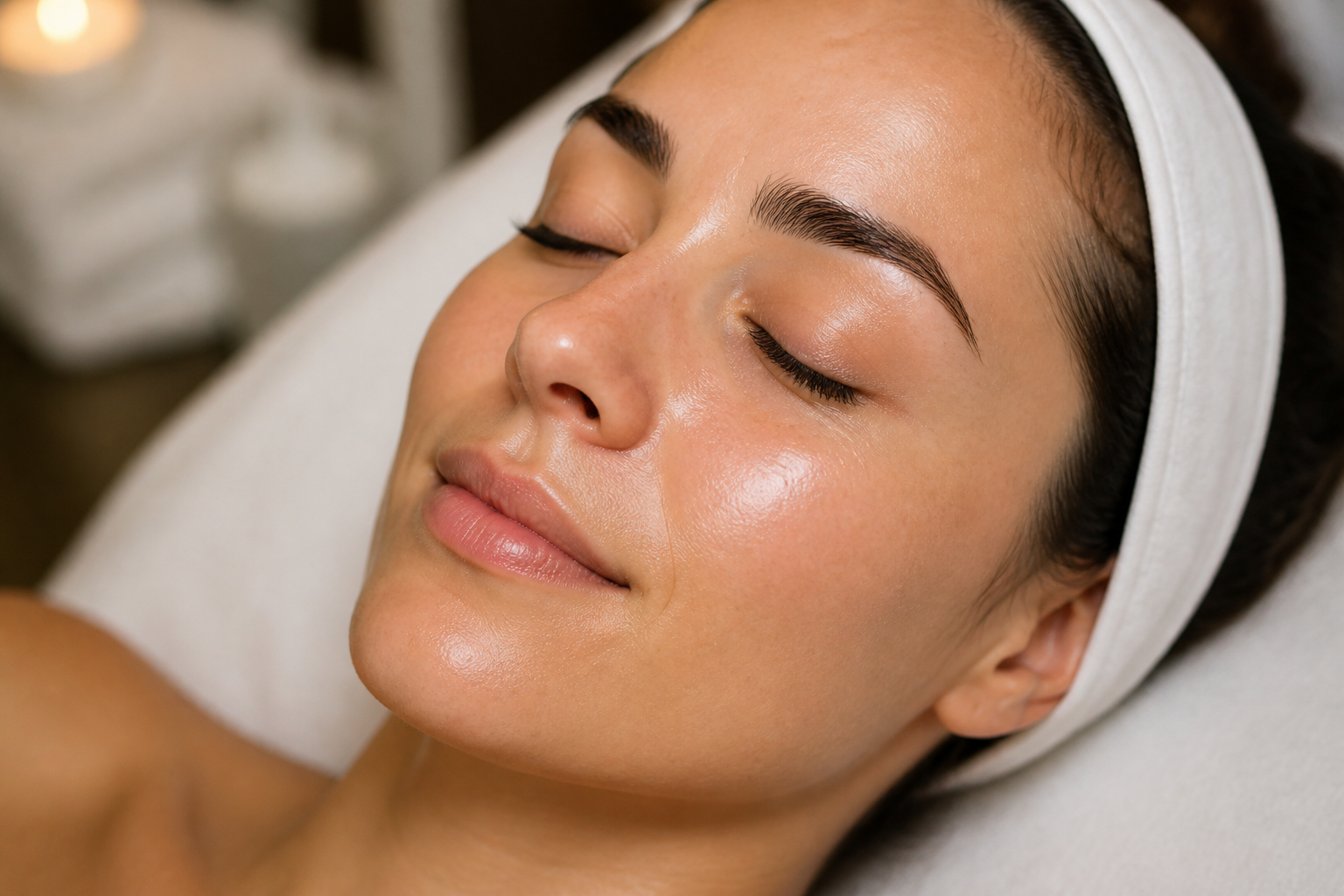
The "milk-light" effect: smoother, more even-toned skin after a series of sessions.
Frequently Asked Questions
How much does Nir-DPL Milk-Light Therapy cost?
At JH Beauty in Sunnyvale, a 75-minute session is $258. Most clients need 3 to 6 sessions spaced 3 to 4 weeks apart for full results, so it helps to budget for a series rather than a single visit.
Does it hurt?
Most clients rate the sensation a 3 or 4 out of 10. It feels like quick, warm snaps against the skin, milder than laser hair removal and more noticeable than a standard facial.
How is this different from a chemical peel?
Chemical peels resurface the top layer of skin and involve visible peeling during recovery. Nir-DPL Milk-Light works beneath the surface on pigment and blood vessels with no peeling and no real downtime, though it takes a series of sessions to reach similar tone-evening results.
Is it safe for darker skin tones?
It can be, but darker skin tones need a careful consultation and adjusted settings, since incorrect intensity can trigger hyperpigmentation. Ask your esthetician about your specific Fitzpatrick skin type before booking.
How soon will I see results?
Many clients notice calmer, more even skin within a week of the first session, with fuller brightening building over the following weeks as treated pigment clears from the skin.
About the author
Ruby
Owner and Lead Esthetician, J.H Beauty
Owner of JH BEAUTY, a skincare studio in Palo Alto, CA offering advanced facial treatments, scalp care, and body management using technologies from Japan, Korea, Switzerland, and Italy.