Pregnancy-Safe Facials: What You Can Get While Expecting

Hydration, LED therapy, and gentle peels — what's safe for pregnant and breastfeeding mothers at JH Beauty.

July 20, 2026
Ruby
pregnancy facialspregnancy skincaresafe facials while pregnantprenatal skincarepregnancy safe treatments

What Changes in Your Skin During Pregnancy (and Why You Need Different Facials)

Pregnancy floods your body with hormones—progesterone, estrogen, human chorionic gonadotropin (hCG)—that don't just grow a baby; they also change your skin in ways that can be frustrating, uncomfortable, or just plain confusing. Some women get the mythical "pregnancy glow" (increased blood flow plus slightly more sebum gives a dewy look). Most get the not-so-mythical pregnancy skin issues: melasma (dark patches on the cheeks, forehead, or upper lip), acne flare-ups, extreme dryness or sudden oiliness, spider veins, and increased sensitivity to products that never bothered you before.

Why does this happen? Estrogen and progesterone stimulate melanocytes (pigment cells), which is why 50-70% of pregnant women develop melasma, often called "the mask of pregnancy." These hormones also increase sebum production, clog pores, and can trigger inflammatory acne even if you never had breakouts before. At the same time, your skin barrier becomes more permeable and reactive—meaning ingredients that were fine pre-pregnancy might now cause redness, itching, or rashes.

Then there's the circulation and fluid retention piece. Your blood volume increases by 40-50% during pregnancy to support the placenta, which can cause visible capillaries, redness, and puffiness in the face. Many pregnant clients come to JH Beauty asking why their face looks swollen or why they suddenly have broken capillaries on their cheeks—it's the vascular changes, not your skincare.

Here's the problem: the treatments that typically address these issues—strong chemical peels, retinoids, certain lasers, microneedling—are off-limits during pregnancy because they're either not proven safe or carry potential risks. So what CAN you do? That's where pregnancy-safe facials come in. They won't deliver the dramatic transformations that aggressive treatments can, but they keep your skin healthy, hydrated, and calm while your body does its thing. Think of it as maintenance, not overhaul. The goal is to support your skin barrier, reduce inflammation, manage breakouts gently, and give you an hour of relaxation—which, let's be honest, you need.

Which Facial Treatments Are Safe During Pregnancy

Not all facials are created equal when you're pregnant. Some ingredients and modalities are proven safe, some are risky, and some fall into the gray zone where there's no human safety data (because researchers can't ethically study pregnant women). At JH Beauty, we err on the conservative side—if there's any question about safety, we don't use it. Here's what IS safe and effective for pregnancy facials:

Hydration and barrier-repair facials. These are the safest bet and what most pregnant clients need. Your skin is likely dehydrated from hormonal changes and increased water demand for the baby. Facials using hyaluronic acid, glycerin, ceramides, peptides, and niacinamide are all pregnancy-safe. These ingredients hydrate, strengthen your skin barrier, and reduce inflammation without penetrating deeply or affecting systemic hormones. At JH Beauty, our Hydrofacial (which uses hydrogen-infused water, hyaluronic acid, and hydroveil hydration) is the most popular pregnancy facial because it's gentle, deeply hydrating, and addresses puffiness without any risky ingredients.

Gentle enzyme or lactic acid peels. You can still exfoliate, but you need to stick to mild, well-studied acids. Lactic acid (an alpha-hydroxy acid derived from milk) is pregnancy-safe at concentrations up to 10%. It exfoliates dead skin cells, brightens dullness, and helps with mild pregnancy acne without the irritation or absorption risks of stronger peels. Enzyme peels using papain (from papaya) or bromelain (from pineapple) are also safe—they break down dead skin proteins without penetrating the dermis. What you need to avoid: high-concentration glycolic acid peels (over 10%), salicylic acid peels (BHA is not recommended during pregnancy), and any peel that causes visible peeling or downtime—aggressive exfoliation can increase inflammation and worsen melasma.

LED light therapy (red and near-infrared). LED therapy is non-invasive, doesn't heat tissue, and uses wavelengths that stimulate collagen and reduce inflammation without any systemic effects. Red light (630-660nm) and near-infrared (810-850nm) are considered pregnancy-safe because they don't generate heat like lasers and don't involve UV radiation. At JH Beauty, we include LED therapy in most pregnancy facials to boost circulation, calm redness, and accelerate healing for breakouts. Blue light (for acne) is also safe, though less commonly used because pregnancy acne responds better to gentle cleansing and hydration than antimicrobial light.

Manual extractions and lymphatic drainage massage. Clogged pores and puffiness are two of the biggest pregnancy skin complaints. Gentle manual extractions (not aggressive squeezing) can clear blackheads and whiteheads safely. Lymphatic drainage massage—light, rhythmic pressure that moves fluid out of the face—reduces puffiness, especially in the second and third trimesters when fluid retention peaks. Both are mechanical techniques with no ingredient risk, so they're safe throughout pregnancy and breastfeeding.

Pregnancy-safe serums: vitamin C, niacinamide, hyaluronic acid. Topical vitamin C (L-ascorbic acid) is safe during pregnancy and effective for brightening melasma and protecting against oxidative stress. Niacinamide (vitamin B3) is another pregnancy powerhouse—it reduces inflammation, controls oil, and inhibits melanin transfer (which helps prevent melasma from getting darker). Hyaluronic acid, peptides, and botanical extracts like chamomile, green tea, and centella asiatica are all safe and soothing. These are the actives we layer during pregnancy facials at JH Beauty.

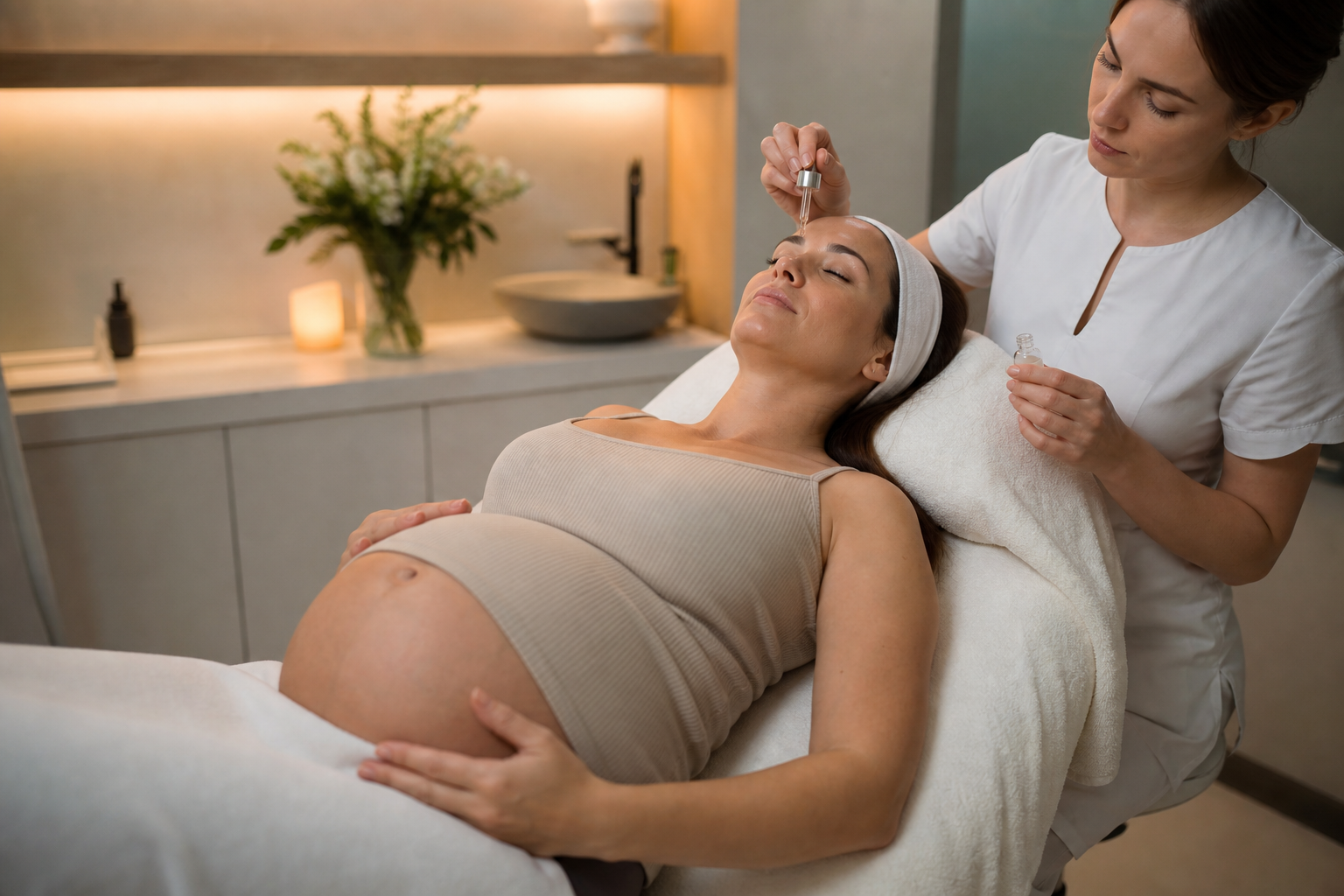
Pregnant woman receiving gentle hydration facial in spa treatment room
Pregnancy-safe facials prioritize hydration, calming ingredients, and gentle techniques.

What to Avoid: Treatments and Ingredients That Aren't Safe

This is the list you need to memorize—or better yet, screenshot and bring to every facial appointment. If a spa doesn't ask if you're pregnant and doesn't adjust their treatment plan accordingly, that's a red flag. Here's what to avoid during pregnancy and breastfeeding:

Retinoids (retinol, tretinoin, adapalene, tazarotene). All forms of vitamin A are off-limits. High-dose oral retinoids (like isotretinoin for acne) cause severe birth defects, and while topical retinoids haven't been proven to cause harm, there's enough absorption through the skin that dermatologists universally recommend avoiding them. This includes over-the-counter retinol serums and prescription tretinoin. If a facial includes a "youth serum" or "anti-aging complex," ask for the ingredient list—retinoids hide under names like retinyl palmitate, retinaldehyde, and all-trans-retinoic acid.

Salicylic acid (BHA) in high concentrations. Low-concentration salicylic acid (under 2% in a face wash) is generally considered safe, but chemical peels with 20-30% salicylic acid are not recommended. Salicylic acid is a beta-hydroxy acid related to aspirin, and high doses can be absorbed systemically. There's limited data on topical use during pregnancy, so most OB-GYNs and dermatologists say to skip it entirely or use only low-strength, rinse-off products. At JH Beauty, we swap salicylic peels for lactic acid or enzyme peels during pregnancy.

Hydroquinone. This is the gold-standard prescription treatment for melasma, but it's contraindicated during pregnancy because 35-45% of topically applied hydroquinone is absorbed systemically—far higher than most topicals. If you're developing pregnancy melasma (and you probably are), you'll have to wait until postpartum to treat it with hydroquinone. In the meantime, vitamin C, niacinamide, and gentle lactic acid peels can help prevent it from worsening.

Essential oils (especially in the first trimester). Many essential oils are uterine stimulants or have hormonal effects that can be risky during pregnancy. The ones to avoid entirely: clary sage, rosemary, juniper, thyme, fennel, cinnamon, and clove. Others—like lavender, chamomile, and ylang-ylang—are probably safe in diluted amounts, but because essential oils are potent, variable, and unregulated, we don't use them in pregnancy facials at JH Beauty. If a spa diffuses essential oils in the treatment room or uses them in massage, ask what's in the blend. If they can't tell you, that's another red flag.

Chemical sunscreens with oxybenzone or avobenzone. These are UV filters that absorb into the bloodstream and have been detected in breast milk. While the FDA still allows them, many dermatologists recommend pregnant women use mineral sunscreens (zinc oxide, titanium dioxide) instead. Mineral sunscreens sit on the surface of the skin and physically block UV without systemic absorption. If your facial includes SPF, check that it's mineral-based.

High-heat treatments: saunas, steam rooms, hot stone massage. Anything that raises your core body temperature above 101°F (38.3°C) is risky during pregnancy, especially in the first trimester when fetal neural tube development is happening. Most facials don't involve extreme heat, but if a treatment includes hot towels, heating lamps, or prolonged steam, let the esthetician know you're pregnant so they can keep it warm, not hot.

Microcurrent and radiofrequency (RF) devices. These use electrical currents or radiofrequency energy to stimulate collagen and tighten skin. There's no safety data on their use during pregnancy, and because they affect tissue at a deeper level, most practitioners avoid them. JH Beauty does not offer microcurrent or RF facials to pregnant clients—there's no way to prove they're safe, so we don't take the risk.

Microneedling, dermarolling, and aggressive exfoliation. Microneedling creates controlled injury to stimulate collagen, but it also increases inflammation and infection risk—not ideal when your immune system is already working overtime to tolerate a foreign (genetically different) fetus. Additionally, anything that causes inflammation can worsen melasma, which you're already prone to. Wait until postpartum to do microneedling, dermarolling, or any treatment that causes bleeding or prolonged redness.

JH Beauty's Pregnancy-Safe Facial Recommendations

We've built JH Beauty's pregnancy facial menu around hydration, calming inflammation, and addressing the most common pregnancy skin issues—melasma, acne, dryness, and puffiness—without risky ingredients. Here's what we recommend based on what you're dealing with:

For hydration and overall glow: Hydrofacial (Hydrogen + Hydroveil). This is our most popular pregnancy facial. It uses hydrogen-infused water (a powerful antioxidant) and Hydroveil hydration technology to deeply hydrate, reduce puffiness, and give your skin that elusive "pregnancy glow" without any questionable ingredients. The hydrogen water neutralizes free radicals (which increase during pregnancy due to metabolic stress), and the Hydroveil serum locks in moisture using hyaluronic acid and peptides. No exfoliation, no heat, no risk—just hydration and a 60-minute break from thinking about kick counts and registry decisions. Recommended frequency: every 3-4 weeks throughout pregnancy.

For pregnancy acne: European Deep Cleaning Facial (modified). Pregnancy acne is frustrating because you can't use the heavy-hitters (retinoids, high-strength salicylic acid). Our European Deep Cleaning Facial can be modified for pregnancy by swapping in lactic acid (instead of glycolic or salicylic), gentle manual extractions, LED blue light therapy, and anti-inflammatory serums (niacinamide, centella asiatica). We don't do aggressive extraction or prolonged steam—just enough to clear clogged pores without triggering inflammation. Post-extraction, we apply a calming mask (usually aloe or chamomile-based) and finish with LED red light to reduce redness and accelerate healing. Recommended frequency: every 4-6 weeks if you're breaking out consistently.

For melasma prevention: Vitamin C + Lactic Acid Brightening Facial. You can't erase melasma during pregnancy, but you can prevent it from getting darker. This facial layers 15-20% L-ascorbic acid (vitamin C) to inhibit melanin production, followed by a 10% lactic acid peel to gently exfoliate pigmented cells without irritation. We finish with niacinamide serum (which blocks melanin transfer) and mineral SPF 50. It's a maintenance protocol—you won't see dramatic lightening, but you'll keep melasma from spreading or deepening. After delivery, once your hormones stabilize, we can move to more aggressive lightening treatments. Recommended frequency: every 3-4 weeks starting in the second trimester (when melasma typically appears).

For puffiness and lymphatic drainage: Hydrogen Scalp + Facial Combo (pregnancy-safe). If you're retaining a lot of fluid in your face (common in the third trimester), lymphatic drainage massage is your best friend. This treatment combines gentle facial massage to move lymph out of the face, plus hydrogen scalp therapy to reduce tension and improve circulation. It's not your typical "spa relaxation" massage—it's medical-grade lymphatic technique that genuinely reduces puffiness. We use no essential oils, no pressure points that could theoretically stimulate labor (there's debate about whether facial acupressure points can do this—we avoid them to be safe), and no products that absorb systemically. You'll see immediate reduction in under-eye bags and cheek puffiness. Recommended frequency: every 2-3 weeks in the third trimester if you're very puffy, or monthly if it's mild.

For relaxation and stress relief: Oxygen Facial with LED. Sometimes you just want an hour where someone else takes care of your skin and you don't have to do anything. The oxygen facial delivers pressurized oxygen and hyaluronic acid to plump and hydrate, followed by LED red light therapy for collagen stimulation and relaxation. There are no active exfoliants, no extractions, no heat—just oxygen, hydration, and light. It's the "treat yourself" pregnancy facial. Recommended frequency: whenever you need it, no medical reason to limit it.

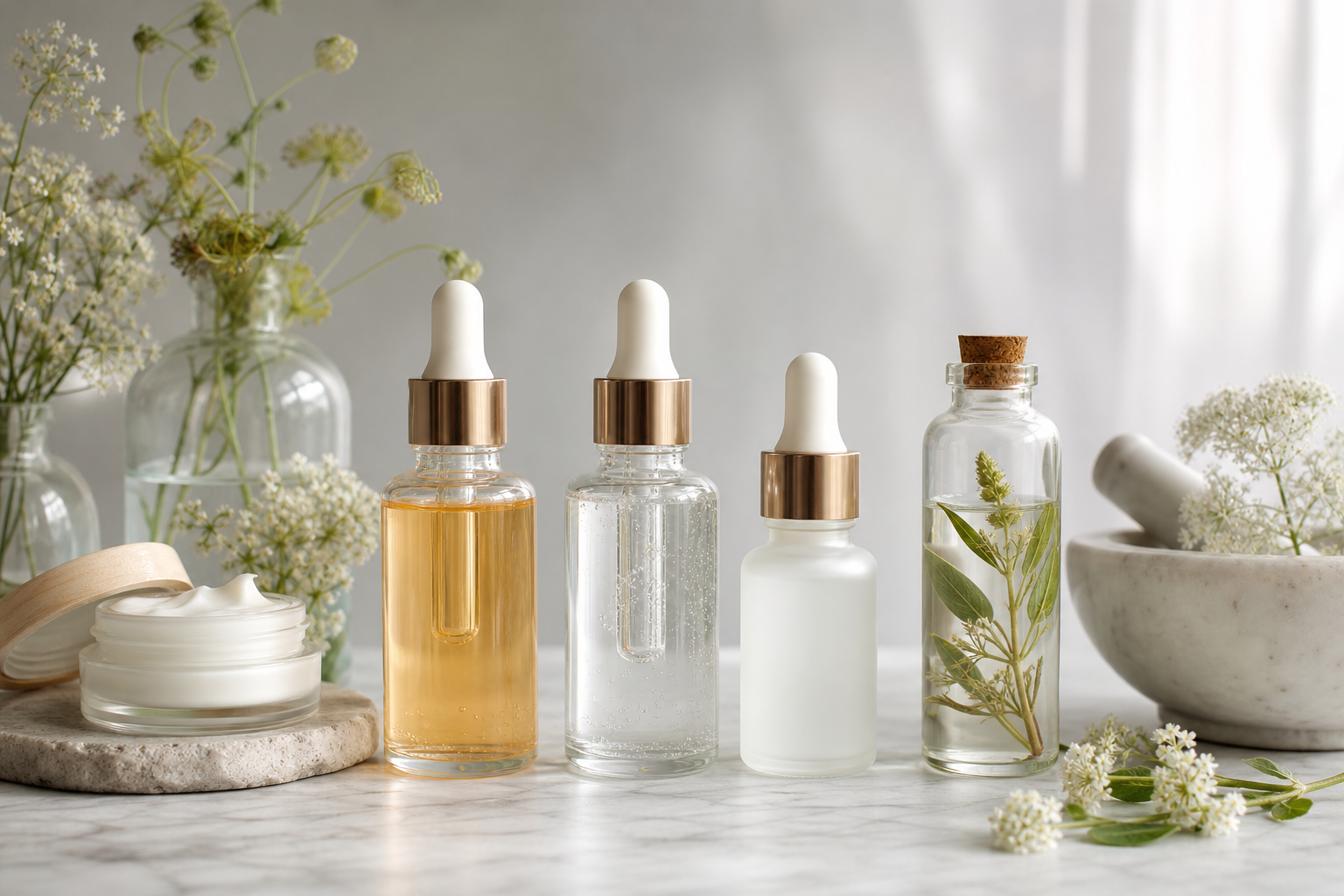
Natural skincare products safe for pregnancy with botanical ingredients
Pregnancy-safe facials use gentle actives like vitamin C, niacinamide, and hyaluronic acid.

How to Prepare for a Pregnancy Facial Appointment

Booking a facial when you're pregnant requires a little more communication than usual. Here's how to prepare and what to tell your esthetician to ensure a safe, effective treatment:

Call ahead and specify that you're pregnant. Don't assume the front desk will ask or that the intake form will catch it. When you book, say "I'm X weeks pregnant and want to book a pregnancy-safe facial." This gives the spa time to assign an esthetician who's trained in pregnancy modifications and to prep the treatment room (no essential oil diffusers, no high-heat equipment). At JH Beauty, we flag pregnant clients in our system so every staff member knows to modify protocols.

Bring a list of ingredients you're avoiding. Even if the spa says they're pregnancy-safe, double-check. Print out the "avoid" list from earlier in this post and hand it to your esthetician. Ask to see the ingredient labels for any serums, peels, or masks they plan to use. If they won't show you, walk out. You're not being difficult—you're being responsible. A good esthetician will appreciate that you're informed and will happily swap products if needed.

Mention any new sensitivities or allergies. Your immune system and histamine response change during pregnancy, so you might react to ingredients that never bothered you before. If you've developed rashes, itching, or redness from any products at home, tell your esthetician before they touch your face. We'll do a patch test on your inner arm before applying anything new. Also mention if you're prone to nausea—some clients can't tolerate lying flat on their back (supine hypotensive syndrome in late pregnancy), and we'll adjust the treatment bed angle.

Hydrate before the appointment. Facials are more effective when your skin is well-hydrated to start with. Drink at least 16-20 oz of water 1-2 hours before your appointment. This also helps with the puffiness issue—counterintuitively, when you're dehydrated, your body holds onto more water, which makes your face puffier. Drinking more water tells your body it's safe to release the excess fluid.

Skip makeup if possible. We'll remove it anyway, and makeup removal adds 5-10 minutes to the treatment time (which you'd rather spend on massage or masking). If you're coming from work and can't skip makeup, that's fine—just know we'll spend the first part of the facial cleansing instead of treating. Bring a headband or hair tie to keep your hair off your face.

Arrive 10 minutes early to fill out the intake form. The intake form will ask about your pregnancy (trimester, due date, any complications), current medications (including prenatal vitamins), and skin concerns. Be thorough. If you're on bed rest, have gestational diabetes, preeclampsia, or any high-risk conditions, your esthetician needs to know—it might affect which positions you can lie in or how much pressure they can use during massage.

Plan for bathroom breaks. In the second and third trimesters, your bladder capacity shrinks to about 10 minutes of lying-still time. Don't be embarrassed—tell your esthetician you'll need to get up at least once during the facial. We'd rather pause the treatment than have you uncomfortable. Go to the bathroom right before the facial starts, and let us know if you need to go again mid-treatment.

What About Breastfeeding? Are the Same Restrictions in Place?

This is one of the most common questions we get postpartum, and the answer is: it depends. Many of the pregnancy restrictions are about systemic absorption and potential harm to the fetus. Once you've delivered, those concerns disappear—your baby is no longer sharing your bloodstream. But if you're breastfeeding, some ingredients can pass into breast milk, so you still need to be cautious.

What's safe while breastfeeding: Everything that was safe during pregnancy is still safe. Hydration facials, lactic acid peels, LED therapy, vitamin C, niacinamide, hyaluronic acid, peptides, and gentle extractions are all fine. You can also resume mineral sunscreens, antioxidants, and most botanical extracts. The good news is that topical application (on your face) results in much lower systemic absorption than oral medication, so unless you're using a product all over your body every day, very little reaches breast milk.

What's still off-limits while breastfeeding: Retinoids (retinol, tretinoin) are still not recommended. While there's limited data on topical retinoids and breastfeeding, high-dose oral vitamin A (from supplements, not food) can concentrate in breast milk and cause vitamin A toxicity in infants. Most dermatologists extend the "no retinoids" rule through breastfeeding to be safe. Hydroquinone is also still contraindicated because of its high systemic absorption (35-45%)—there's no data on hydroquinone levels in breast milk, so the conservative recommendation is to avoid it.

Salicylic acid: The rules relax postpartum. Low-concentration salicylic acid (2% or less in a cleanser or serum) is considered safe while breastfeeding because the amount absorbed systemically is negligible. Higher-concentration salicylic peels (20-30%) are still debated—some dermatologists say they're fine as an occasional treatment (every 4-6 weeks), others say to wait until you're done breastfeeding. At JH Beauty, we offer salicylic peels to breastfeeding clients if they sign a consent form and confirm they've discussed it with their OB-GYN or pediatrician.

Essential oils: Most essential oils are safe during breastfeeding because they don't concentrate in breast milk in meaningful amounts. The exceptions are peppermint and spearmint oils (which can reduce milk supply) and sage oil (also a galactagogue-suppressant). If you're trying to maintain or increase milk supply, avoid facials with peppermint or sage. Otherwise, lavender, chamomile, rose, and ylang-ylang are fine.

Microneedling and RF: Once you've delivered, microneedling and radiofrequency treatments are safe from a breastfeeding perspective—they don't affect milk composition or supply. However, you might want to wait 2-3 months postpartum before doing aggressive treatments because your skin is still recovering from pregnancy hormones, and aggressive exfoliation can worsen postpartum melasma if your hormones haven't stabilized. We usually recommend waiting until your period returns (a sign that estrogen and progesterone are back to baseline) before starting microneedling or RF skin tightening.

The bottom line: If you're breastfeeding, you can do MORE than during pregnancy, but not everything. The safest approach is to stick with pregnancy-safe protocols for the first 3-6 months postpartum (while you're exclusively breastfeeding and your hormones are still adjusting), then gradually reintroduce stronger treatments as you wean or as your baby starts solids (and is less dependent on breast milk for 100% of nutrition). Check with your OB-GYN if you're unsure—they'll have the most current data on what's been studied and what's considered safe.

Frequently Asked Questions About Pregnancy Facials

Can I get a facial in the first trimester?

Yes, but stick to the gentlest protocols—hydration facials, no peels, no extractions if you're nauseous (pressure on the face can trigger nausea), and avoid lying flat on your back for extended periods if you feel lightheaded. The first trimester is when fetal organ development happens, so it's the most cautious period. If you're experiencing morning sickness or extreme fatigue, it's fine to skip facials entirely until the second trimester when you'll feel better and can actually enjoy it.

Will facials help with pregnancy acne?

They'll help, but they won't cure it. Pregnancy acne is driven by hormones (progesterone increases sebum production), and no topical treatment can override that. Facials with gentle extractions, lactic acid, niacinamide, and LED blue light can reduce active breakouts and prevent new ones from forming, but you'll likely still get some breakouts until your hormones stabilize postpartum. The goal is management, not perfection. If your acne is severe (cystic or covering large areas), talk to your OB-GYN or a dermatologist—you might need a pregnancy-safe oral medication like azithromycin or a topical erythromycin prescription.

Can facials fade melasma during pregnancy?

No, not significantly. Melasma is driven by the same hormones that keep you pregnant (estrogen and progesterone), so it won't fully fade until after delivery when those hormones drop. Facials with vitamin C, niacinamide, and lactic acid can prevent melasma from getting darker and can lighten it slightly, but dramatic fading requires stronger treatments (hydroquinone, tretinoin, laser) that aren't safe during pregnancy. The best strategy during pregnancy is prevention: daily mineral SPF 50, wide-brim hats, and monthly brightening facials to keep it from spreading.

Can I get a facial the week before my due date?

Yes, and honestly, you should. You'll be swollen, exhausted, and stressed—a lymphatic drainage facial will reduce puffiness and give you an hour of relaxation before labor. Some women worry that facial massage or pressure points might trigger labor, but there's no scientific evidence that facial massage causes labor. (Certain acupressure points on the hands, feet, and lower back are thought to stimulate contractions, but facial points aren't in that category.) At JH Beauty, we've done facials for women at 39 weeks with no issues. Just make sure someone can drive you home in case you go into labor right after—it's rare, but not impossible.

Can I bring my baby to a postpartum facial?

At JH Beauty, yes, if your baby is under 6 months and sleeps in a car seat or stroller. We have a small waiting area where we can keep the car seat next to the treatment bed so you can see and hear your baby. If your baby wakes up and needs to nurse, we'll pause the treatment—no problem. We'd rather you get the facial than skip it because you don't have childcare. After 6 months, when babies are more mobile and vocal, we ask that you arrange childcare so you can fully relax. Call ahead to confirm the policy—not all spas allow infants in treatment rooms.

Are there any facials that can help with postpartum hair loss?

Facial treatments won't help with postpartum hair loss (telogen effluvium), but scalp treatments can. Postpartum hair loss happens because the hormones that kept your hair in the growth phase during pregnancy (high estrogen) suddenly drop after delivery, and all those hairs enter the shedding phase at once. It peaks around 3-4 months postpartum and resolves on its own by 12 months. JH Beauty offers CO2 scalp treatments and hydrogen scalp therapy that can improve circulation, reduce inflammation, and create a healthier environment for regrowth. These won't stop the shedding (that's hormonal), but they can help new hairs grow back faster and thicker. We see a lot of postpartum clients who book a facial + scalp combo for this reason.

About the author

Ruby

Owner and Lead Esthetician, J.H Beauty

Owner of JH BEAUTY, a skincare studio in Palo Alto, CA offering advanced facial treatments, scalp care, and body management using technologies from Japan, Korea, Switzerland, and Italy.

Published on

July 20, 2026