Vitamin C Facial in Sunnyvale: Brightening Treatment Guide

Discover how vitamin C facials fade dark spots, boost collagen, and restore radiant skin. Your complete guide to brightening treatments at JH Beauty.

July 13, 2026
vitamin c facialbrightening treatmentsunnyvale facialhyperpigmentationanti-agingskin brighteningdark spot treatmentcollagen boosting

What Is a Vitamin C Facial and Why It Works

A vitamin C facial is a professional skin treatment that infuses high concentrations of L-ascorbic acid (pure vitamin C) into your skin to fade dark spots, boost collagen production, and neutralize free radical damage. Unlike drugstore serums that hover around 10-15% concentration, professional vitamin C facials use 20-30% formulations that penetrate deeper and deliver visible results faster.

The science behind vitamin C is solid. It's one of the few topical ingredients with decades of clinical research backing its anti-aging and brightening claims. A 2017 study in the Journal of Clinical and Aesthetic Dermatology found that 12 weeks of consistent vitamin C use reduced hyperpigmentation by 73% and increased collagen synthesis by 28%. Professional facials accelerate this timeline—most clients see brighter, more even skin within 3-4 treatments.

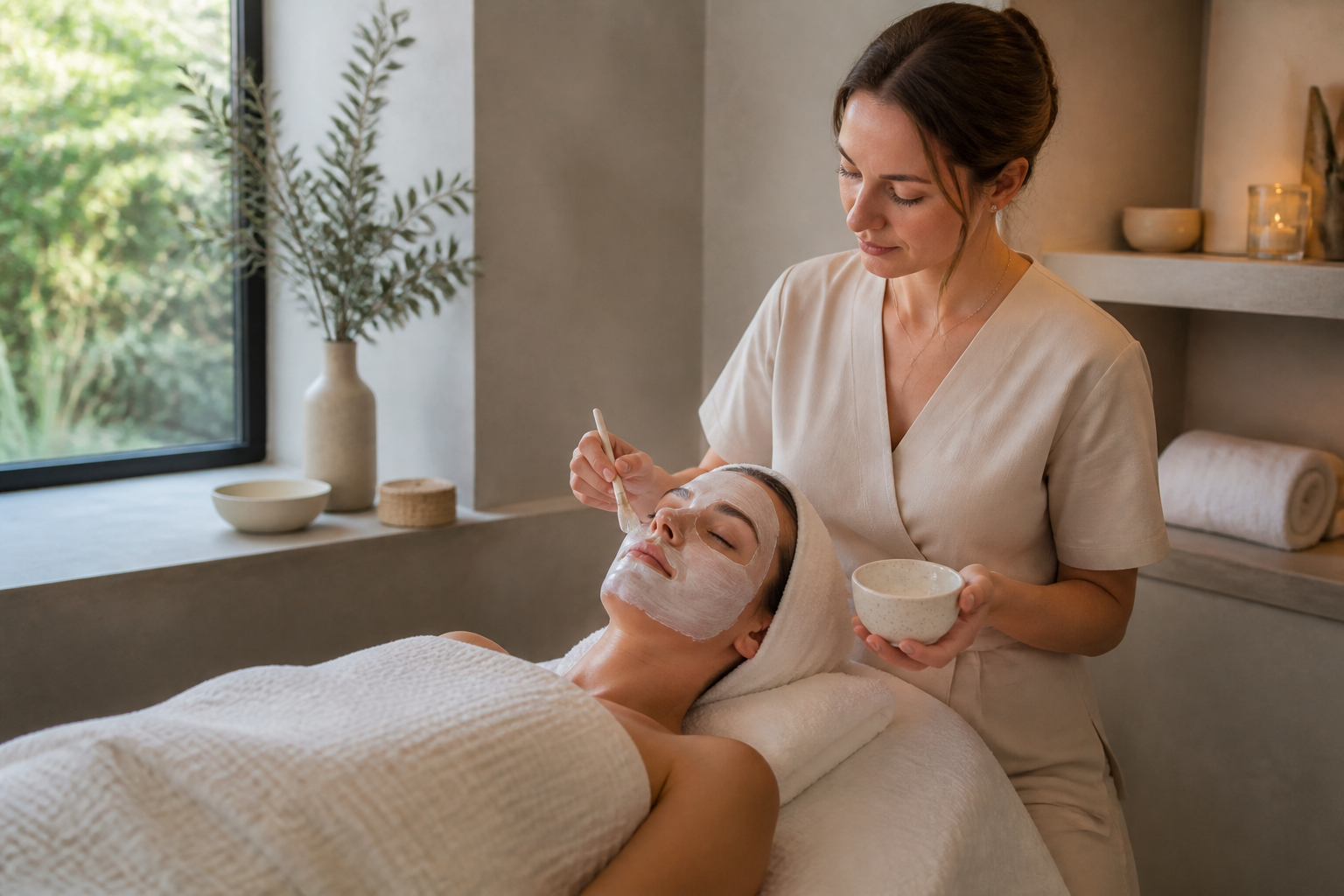
At JH Beauty, we integrate vitamin C into our Korean brightening facials and pair it with gentle exfoliation to prep your skin. The treatment includes cleansing, enzyme or chemical exfoliation to remove dead cells, vitamin C serum application with ultrasonic infusion or iontophoresis (to push the serum deeper), a brightening mask, and SPF protection. The entire session takes 60-75 minutes, and you'll leave with visibly glowing skin.

Vitamin C works on three fronts: it inhibits tyrosinase (the enzyme that triggers melanin production), neutralizes oxidative stress from UV exposure and pollution, and stimulates fibroblasts to produce more collagen. This triple action makes it the gold standard for treating sun damage, post-inflammatory hyperpigmentation (dark marks from acne), melasma, and dull, uneven skin tone.

Who Needs a Vitamin C Facial (and Who Should Wait)

Vitamin C facials are ideal for anyone dealing with hyperpigmentation, sun damage, or dull skin that's lost its radiance. If you've got dark spots from old acne scars, age spots, or melasma, this treatment targets the root cause—excess melanin production. You'll see the most dramatic results if you're in your 30s-50s with visible sun damage or uneven tone, but younger clients use it preventatively to slow collagen breakdown and keep skin bright.

People with sensitive skin can absolutely get vitamin C facials, but you need a modified approach. High concentrations can sting or cause temporary redness if your skin barrier is compromised. At JH Beauty, we start with lower percentages (15-20%) and use buffered or esterified forms like sodium ascorbyl phosphate, which are gentler but still effective. We'll do a patch test first if you have rosacea or reactive skin.

You should skip vitamin C facials if you have:

  • Active breakouts or open wounds — the low pH (around 3.5) will sting and potentially irritate inflamed skin. Wait until your skin heals.
  • Recent chemical peels or laser treatments — your skin barrier needs 2-3 weeks to recover before introducing high-strength actives.
  • Severe rosacea or eczema flare-ups — the oxidative stress from vitamin C can worsen inflammation when your skin is already compromised.

Pregnant and breastfeeding clients can safely get vitamin C facials—it's a topical antioxidant, not a systemic drug. In fact, many expectant mothers use it to combat pregnancy-related melasma (the "mask of pregnancy") when retinoids are off the table. Just let your esthetician know so we can avoid any complementary treatments that aren't pregnancy-safe.

If you're using prescription retinoids like tretinoin or adapalene at home, you can still get vitamin C facials. We'll schedule your appointment for the morning (apply retinoids at night) and skip any aggressive exfoliation that day. The two ingredients work synergistically—vitamin C protects during the day, retinoids rebuild at night.

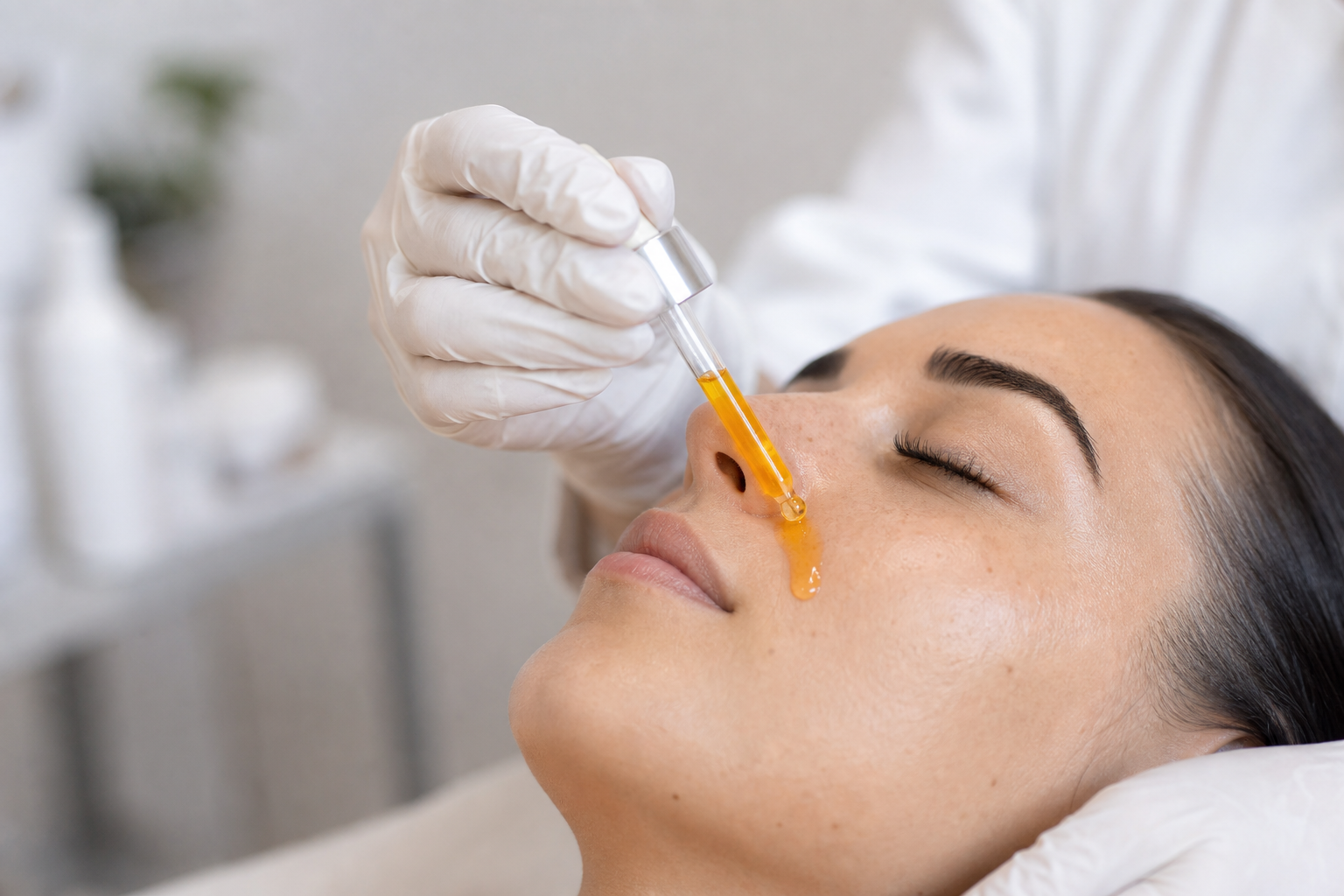
Professional vitamin C serum being applied during facial treatment
Professional-grade vitamin C serums (20-30% concentration) deliver faster brightening results than over-the-counter products

The JH Beauty Vitamin C Facial Process

Your vitamin C facial begins with a double cleanse—first an oil-based cleanser to remove makeup and sunscreen, then a gentle water-based cleanser to prep your skin. Clean skin absorbs vitamin C 3-4 times more effectively than skin with residual oils or debris blocking pores. We'll analyze your skin under magnification to identify specific concerns (dark spots, fine lines, texture issues) and customize the treatment accordingly.

Next comes exfoliation. We use either a gentle enzyme peel (papaya or pumpkin enzymes that dissolve dead cells without scrubbing) or a low-percentage chemical exfoliant (lactic acid or mandelic acid) depending on your skin sensitivity. This step is critical—vitamin C can't penetrate through a thick layer of dead skin. The exfoliation also stimulates cell turnover, so fresh, healthy skin cells rise to the surface faster.

After exfoliation, we apply the vitamin C serum. At JH Beauty, we use L-ascorbic acid at 20-25% concentration, formulated with ferulic acid and vitamin E for stability and enhanced penetration. The serum goes on via ultrasonic infusion or iontophoresis—both techniques use gentle energy to push the active ingredients deeper into the dermis where they can actually boost collagen. You'll feel a slight tingling (totally normal) but no pain.

The serum sits for 10-15 minutes while we apply a brightening mask—usually a combination of niacinamide, licorice root extract, and hyaluronic acid to lock in hydration and further inhibit melanin production. Some clients relax with LED light therapy during this phase. We finish with a peptide moisturizer and SPF 50+ sunscreen. Vitamin C makes your skin slightly more photosensitive for 24 hours, so sun protection is non-negotiable.

The entire treatment takes about 60-75 minutes. Immediately after, your skin will look dewy and radiant—what clients call the "vitamin C glow." This isn't just surface shine; it's increased microcirculation and light reflection from smoother, more hydrated skin. Over the next 2-3 days, you'll notice your complexion evening out as existing melanin starts to fade.

Results Timeline: What to Expect After Your Facial

You'll see immediate brightening after your first vitamin C facial—skin looks more luminous, redness is reduced, and your complexion appears more even. This "glow" lasts 3-5 days as the antioxidants continue working and cellular turnover accelerates. But for long-term pigmentation correction and collagen building, you need cumulative treatments. Here's the realistic timeline:

Week 1 (First Treatment)

Instant radiance and improved texture. Any dullness or sallowness from dead skin buildup disappears. Fine lines look softer because the skin is deeply hydrated. Dark spots won't fade yet—melanin takes time to metabolize—but the overall tone will be brighter and more uniform.

Weeks 2-6 (Treatments 2-4)

This is when pigmentation starts visibly fading. Superficial sun spots and post-acne marks lighten by 30-40%. Deeper melasma or hormonal pigmentation takes longer but you'll see progress. Skin texture continues improving as collagen production ramps up (vitamin C needs 4-6 weeks to increase fibroblast activity). Fine lines around the eyes and mouth become less pronounced.

Weeks 8-12 (Treatments 5-6)

Maximum brightening results. Most dark spots fade by 60-75%, and stubborn hyperpigmentation continues lightening gradually. Skin firmness improves noticeably—this is the collagen boost kicking in. Pores appear smaller because increased cell turnover keeps them clear. Your skin's natural glow is restored, and you'll need less foundation or concealer to even out your complexion.

For best results, we recommend 4-6 facials spaced 2-3 weeks apart (the initial series), then one maintenance facial every 4-6 weeks. Vitamin C's effects are cumulative—each treatment builds on the previous one. Skipping sessions or spacing them too far apart means starting over each time instead of compounding results.

Between facials, use a quality vitamin C serum at home (10-15% concentration) every morning after cleansing. This maintains the brightening effects and protects against daily oxidative stress. Pair it with SPF 30+ religiously—sun exposure undoes all the pigmentation correction work. Clients who follow this home care routine see results last 8-12 months instead of 4-6.

Before and after vitamin C facial treatment showing reduced hyperpigmentation
Typical results after 4-6 vitamin C facials: dark spots fade by 60-75% and overall skin tone becomes more even

Vitamin C Facial vs Other Brightening Treatments

Vitamin C isn't the only treatment that fades dark spots and brightens skin. Here's how it compares to other popular options at JH Beauty, so you can choose the right one for your specific concerns and downtime tolerance.

Vitamin C Facial vs Chemical Peels

Chemical peels (glycolic acid, salicylic acid, TCA) work faster for severe hyperpigmentation—they literally peel off the top layers of pigmented skin. A medium-depth peel can fade dark spots by 70-80% in 7-10 days, but you'll have visible flaking and redness. Vitamin C facials work gradually without downtime. If you've got a big event next week and can't afford peeling, choose vitamin C. If you want aggressive results and can hide at home for 5-7 days, a chemical peel is more efficient.

Vitamin C Facial vs Hydrafacial

Hydrafacial is a multi-step treatment that cleanses, exfoliates, extracts, and hydrates—it can include vitamin C serum as one of the boosters. The key difference is delivery method. Hydrafacial uses vortex suction to infuse serums, while dedicated vitamin C facials use ultrasonic or iontophoresis penetration. Both work well, but if your main concern is brightening (not extraction or hydration), a targeted vitamin C facial delivers higher concentrations and deeper penetration. If you've got clogged pores and pigmentation, Hydrafacial tackles both.

Vitamin C Facial vs Korean Brightening Facial

Our Korean brightening facials often include vitamin C as part of a multi-layered routine (double cleanse, exfoliation, essence, ampoule, sheet mask, LED therapy). They're more thorough and hydration-focused, using ingredients like niacinamide, fermented rice extract, and licorice root alongside vitamin C. If you want an all-around glow-up with deep hydration, choose Korean brightening. If hyperpigmentation is your primary concern and you want maximum vitamin C penetration, a dedicated vitamin C facial is more targeted.

Vitamin C Facial vs Laser Treatments

IPL (Intense Pulsed Light) and fractional lasers like Fraxel target melanin and break it apart with heat energy. They're the gold standard for stubborn melasma, sun damage, and age spots that won't respond to topicals. But they're expensive ($500-800 per session), require downtime (5-10 days of redness and crusting), and carry risks for darker skin tones (post-inflammatory hyperpigmentation). Vitamin C facials are gentler, cheaper ($120-180 per session), and safe for all skin tones. For mild to moderate pigmentation, start with vitamin C. Reserve lasers for severe, treatment-resistant cases.

Aftercare: Maximizing Your Results at Home

What you do in the 24-72 hours after your vitamin C facial determines how long your results last. Vitamin C is a powerful active, and your skin needs specific support to lock in the benefits and avoid irritation. Here's exactly what to do (and what to skip):

First 24 Hours

Skip all other actives—no retinoids, AHAs, BHAs, or prescription treatments. Your skin barrier is slightly compromised from exfoliation and high-strength vitamin C, and layering more actives will cause redness or peeling. Stick to gentle, hydrating products: a ceramide or hyaluronic acid serum, a basic moisturizer, and SPF 50+ if you're going outside. Reapply sunscreen every 2 hours—vitamin C increases photosensitivity temporarily.

Don't wear makeup for at least 4-6 hours if you can avoid it. Let your skin breathe and fully absorb the treatment serums. If you must wear makeup, use a mineral sunscreen as your base (zinc oxide or titanium dioxide) instead of chemical filters, which can sometimes irritate freshly treated skin. Avoid heavy foundations—opt for a tinted moisturizer or BB cream instead.

First Week

Introduce your at-home vitamin C serum (10-15% concentration) on day 3 or 4. Apply it every morning after cleansing, before moisturizer and SPF. This maintains the brightening momentum between facials. Look for serums with ferulic acid and vitamin E—they stabilize the vitamin C and boost its effectiveness. Store it in a cool, dark place (or the fridge) because vitamin C oxidizes quickly when exposed to light and air.

Avoid excessive heat—no saunas, steam rooms, hot yoga, or intense cardio for 48 hours. Heat dilates blood vessels and can cause flushing or broken capillaries when your skin is vulnerable. Lukewarm showers only. Also skip chlorinated pools for 2-3 days—chlorine is drying and can interfere with the healing process.

Long-Term Maintenance

The biggest mistake people make is skipping SPF. Sun exposure breaks down collagen, triggers melanin production, and undoes all the brightening work. Wear SPF 30+ every single day, even indoors (UVA penetrates windows). Reapply every 2 hours if you're outside. Consider adding a vitamin C powder to your morning routine—brands like Drunk Elephant and The Ordinary make fresh-activated formulas that stay potent longer than pre-mixed serums.

Pair your vitamin C with niacinamide (vitamin B3) for extra brightening power. The two work together—vitamin C fades existing pigmentation, niacinamide prevents new melanin from forming. Apply niacinamide serum at night or mix it with your moisturizer. Avoid using vitamin C and retinoids at the same time of day (vitamin C in the morning, retinoid at night) to prevent irritation.

Woman applying sunscreen after vitamin C facial treatment
Daily SPF 30+ is essential after vitamin C facials—sun exposure undoes pigmentation correction and breaks down collagen

Cost and Booking at JH Beauty in Sunnyvale

A single vitamin C facial at JH Beauty is $218; add-ons such as LED therapy, extractions, or specialized masks are quoted at consultation. Our Vital-C brightening facial is $218 for a 75-minute session. For first-time clients, we typically recommend starting with this treatment—it includes double cleansing, gentle enzyme exfoliation, vitamin C ultrasonic infusion, a brightening sheet mask, and a full facial massage to boost circulation.

We offer package pricing if you're committing to the full treatment series (4-6 facials). A six-session vitamin C package costs $840—you save $150 compared to booking individually, and you can use the sessions over 4-5 months. The majority of clients see their optimal results with this structured approach: facials every 2-3 weeks for the first 8-10 weeks, then maintenance every 4-6 weeks.

To book your vitamin C brightening facial, visit our services page or call us directly at the studio. We'll schedule a brief skin consultation (complimentary) to assess your specific pigmentation concerns and customize the treatment. Bring photos of your skin at different times if you have them—tracking pigmentation changes over weeks helps us measure progress objectively.

We're located in central Sunnyvale, easily accessible from Mountain View, Santa Clara, and Cupertino. Evening and weekend appointments are available for clients who need flexibility around work schedules. If you're combining your vitamin C facial with other treatments (lash extensions, brow shaping, body contouring), let us know when booking—we can coordinate multiple services in one visit to save you time.

Before your first appointment, avoid retinoids and chemical exfoliants for 3-5 days. Come with a clean face (no makeup if possible). If you've had chemical peels, microneedling, or laser treatments recently, wait at least 2 weeks before scheduling a vitamin C facial. We'll ask about your current skincare routine and any prescription treatments during the consultation to ensure vitamin C is the right choice for your skin right now.

How often should I get a vitamin C facial?

For active hyperpigmentation correction, get a vitamin C facial every 2-3 weeks for the first 8-12 weeks (4-6 treatments total). After that initial series, maintenance facials every 4-6 weeks keep your results lasting. Spacing treatments too far apart—like once every 8-10 weeks—means you're constantly restarting instead of compounding benefits. Think of it like strength training: consistent sessions build cumulative results.

Can I get a vitamin C facial if I have active acne?

Yes, but we'll modify the approach. Vitamin C is anti-inflammatory and helps fade post-acne marks, so it's actually beneficial for acne-prone skin. However, if you have active cystic breakouts or open pustules, we'll skip those areas during application—the low pH (around 3.5) can sting inflamed skin. For optimal results, consider a high frequency facial first to clear active breakouts, then follow up with vitamin C to fade the dark marks left behind.

Will my skin peel after a vitamin C facial?

The majority of clients don't experience visible peeling—just mild dryness or flaking that's easily hidden with moisturizer. If we include a stronger exfoliation step (like a lactic acid peel) before the vitamin C infusion, you might see light flaking around the nose and chin for 2-3 days. This is dead skin shedding and reveals brighter, fresher skin underneath. Avoid picking or scrubbing—let it flake off naturally and keep your skin hydrated.

Can I use vitamin C at home between facials?

Absolutely—in fact, we recommend it. Use a 10-15% vitamin C serum every morning after cleansing. This maintains the brightening effects and provides daily antioxidant protection against pollution and UV damage. Look for L-ascorbic acid serums with ferulic acid and vitamin E for maximum stability. Store it in a cool, dark place (or the fridge) and replace it every 3 months—oxidized vitamin C turns orange and loses effectiveness.

Is vitamin C safe for sensitive or rosacea-prone skin?

Yes, but we use gentler derivatives like sodium ascorbyl phosphate (SAP) or magnesium ascorbyl phosphate instead of pure L-ascorbic acid. These have a higher pH (around 5-6 instead of 3.5), so they don't sting or irritate reactive skin. They're slightly less potent than L-ascorbic acid, but still deliver visible brightening results over 6-8 treatments. We'll do a patch test first and start with lower concentrations (15%) to gauge your tolerance.

How long do vitamin C facial results last?

The immediate glow lasts 3-5 days. Pigmentation correction (faded dark spots, even tone) lasts 6-12 months depending on your sun exposure and at-home skincare routine. If you wear SPF daily and use a vitamin C serum at home, results last closer to 12 months. If you skip sunscreen or don't maintain your routine, pigmentation can return within 4-6 months. Maintenance facials every 4-6 weeks keep your skin consistently bright year-round.

Can I combine vitamin C with other facial treatments?

Yes—vitamin C pairs beautifully with hydration-focused treatments like Hydrafacial or Korean sheet mask facials. It also works well after microneedling (wait 48 hours post-needle) because the channels boost vitamin C absorption. Avoid combining it with strong chemical peels or retinoid treatments on the same day—both lower your skin's pH and can cause excessive irritation. Space aggressive treatments 1-2 weeks apart.

Will vitamin C help with fine lines and wrinkles?

Yes. Vitamin C is clinically proven to boost collagen production. You'll see fine lines soften and skin firmness improve after 4-6 treatments. It won't erase deep wrinkles (for those, consider microneedling or RF treatments), but it absolutely helps with early signs of aging—crow's feet, smile lines, and forehead creases. Combine it with retinoids at home for maximum anti-aging results: vitamin C protects during the day, retinoids rebuild at night.

What's the difference between vitamin C facials and vitamin C serums at home?

Professional facials use 20-30% concentrations infused with ultrasonic or iontophoresis devices that push the serum deeper into the dermis. At-home serums typically max out at 10-15% and sit on the surface. The professional infusion delivers 3-4 times more active ingredient where it can actually stimulate collagen and inhibit melanin production. Think of at-home serums as maintenance between facials—they extend your results but can't replicate the depth of a professional treatment.

Can pregnant or breastfeeding women get vitamin C facials?

Yes, vitamin C facials are completely safe during pregnancy and breastfeeding. Vitamin C is a topical antioxidant, not a systemic drug, so there's no risk to the baby. In fact, many pregnant clients use vitamin C to treat melasma (the "mask of pregnancy") when retinoids are off-limits. Just let your esthetician know you're pregnant so we can avoid any complementary treatments that aren't pregnancy-safe (like certain essential oils or electrical modalities).

FAQ

How often should I get a vitamin C facial?

For active hyperpigmentation correction, get a vitamin C facial every 2-3 weeks for the first 8-12 weeks (4-6 treatments total). After that initial series, maintenance facials every 4-6 weeks keep your results lasting. Spacing treatments too far apart—like once every 8-10 weeks—means you're constantly restarting instead of compounding benefits. Think of it like strength training: consistent sessions build cumulative results.

Can I get a vitamin C facial if I have active acne?

Yes, but we'll modify the approach. Vitamin C is anti-inflammatory and helps fade post-acne marks, so it's actually beneficial for acne-prone skin. However, if you have active cystic breakouts or open pustules, we'll skip those areas during application—the low pH (around 3.5) can sting inflamed skin. For optimal results, consider a high frequency facial first to clear active breakouts, then follow up with vitamin C to fade the dark marks left behind.

Will my skin peel after a vitamin C facial?

The majority of clients don't experience visible peeling—just mild dryness or flaking that's easily hidden with moisturizer. If we include a stronger exfoliation step (like a lactic acid peel) before the vitamin C infusion, you might see light flaking around the nose and chin for 2-3 days. This is dead skin shedding and reveals brighter, fresher skin underneath. Avoid picking or scrubbing—let it flake off naturally and keep your skin hydrated.

Can I use vitamin C at home between facials?

Absolutely—in fact, we recommend it. Use a 10-15% vitamin C serum every morning after cleansing. This maintains the brightening effects and provides daily antioxidant protection against pollution and UV damage. Look for L-ascorbic acid serums with ferulic acid and vitamin E for maximum stability. Store it in a cool, dark place (or the fridge) and replace it every 3 months—oxidized vitamin C turns orange and loses effectiveness.

Is vitamin C safe for sensitive or rosacea-prone skin?

Yes, but we use gentler derivatives like sodium ascorbyl phosphate (SAP) or magnesium ascorbyl phosphate instead of pure L-ascorbic acid. These have a higher pH (around 5-6 instead of 3.5), so they don't sting or irritate reactive skin. They're slightly less potent than L-ascorbic acid, but still deliver visible brightening results over 6-8 treatments. We'll do a patch test first and start with lower concentrations (15%) to gauge your tolerance.

Published on

July 13, 2026