
Collagen for Under-Eyes: Do Creams Work? What a Treatment Does
Collagen in eye creams stays on the surface; a professional collagen eye treatment works under it. What actually helps under-eye bags, dark circles and fine lines, and what the 90-minute session at JH Beauty in Sunnyvale involves.
Short answer: eye creams with collagen hydrate and temporarily plump the surface, but collagen molecules are too large to pass through skin, so a cream does not rebuild the collagen that thins with age. Dark circles and bags respond to hydration, sun protection and sleep first; for visible change in fine lines and puffiness, a professional collagen eye treatment — cleansing, gentle exfoliation, collagen serum infusion and a collagen mask, 90 minutes at JH Beauty in Sunnyvale — is the step a cream cannot take.
What Is Collagen Eye Care?
Collagen eye care is a professional facial treatment that focuses entirely on the thin, delicate skin surrounding your eyes. At JH Beauty in Sunnyvale, it's called the Clinic Treatment & Collagen Eyecare, and it's part of the Classic European Royal Collagen series — a protocol that blends European clinical skincare traditions with Korean and Japanese application techniques. Explore our complete range of anti-aging treatments including full facial protocols that pair beautifully with targeted eye care.
Here's why a dedicated eye treatment matters: the skin around your eyes is only about 0.5 mm thick, roughly 40% thinner than the rest of your face. It's the first area to show fine lines, crow's feet, puffiness, and dark circles because there's so little tissue to work with. A general facial that covers your whole face simply can't deliver the same concentration of active ingredients to this fragile zone.
The treatment works on two levels. First, it delivers immediate hydration through collagen peptide serums and masks applied directly to the periorbital area. Second, it stimulates your fibroblast cells to produce new collagen over the weeks following your appointment. Your body's collagen production drops about 1% per year after age 25, so by 40, you've lost roughly 15-20% of your skin's collagen density. The under-eye area shows that loss first.
Over-the-counter eye creams typically contain collagen molecules too large to cross the skin barrier effectively. Research published in the Journal of Cosmetic Dermatology found that self-applied topical collagen peptides achieve only 8-12% absorption, compared to 35-50% when delivered through professional infusion methods. That's a 3-4x difference in how much active collagen actually reaches your cells.
Why the Under-Eye Area Ages Faster Than the Rest of Your Face
If you've noticed your eye area showing wrinkles years before your cheeks or forehead, it's not your imagination. Several structural factors make periorbital skin uniquely vulnerable to aging:
- Extreme thinness: Under-eye skin measures about 0.5 mm compared to 2 mm on your cheeks. Less tissue means less collagen and elastin to start with, so even small losses become visible fast.
- Fewer oil glands: The eye area has far fewer sebaceous glands than the rest of your face. Without natural oil production, it dries out faster, and dehydrated skin makes wrinkles look deeper and more pronounced.
- Constant muscle movement: You blink between 15,000 and 20,000 times per day. Each blink engages the orbicularis oculi muscle, folding and unfolding the surrounding skin. Over years, these micro-movements create permanent creases we call crow's feet.
- Shallow blood vessels: Blood vessels sit closer to the surface under your eyes. When circulation slows from fatigue, allergies, or aging, deoxygenated blood pools beneath this thin skin, creating the bluish-purple tint of dark circles.
- Fat pad migration: Small fat pads beneath your eyes gradually shift downward with age. This creates hollowing in the tear trough, the groove between your lower eyelid and cheek, casting shadows that deepen the appearance of dark circles.
Dermatological research confirms that periorbital skin loses collagen at roughly 1.5x the rate of forehead or cheek skin because it starts from a thinner baseline and endures more mechanical stress from blinking. That's exactly why a targeted collagen eye treatment produces better results than a standard facial for under-eye concerns.
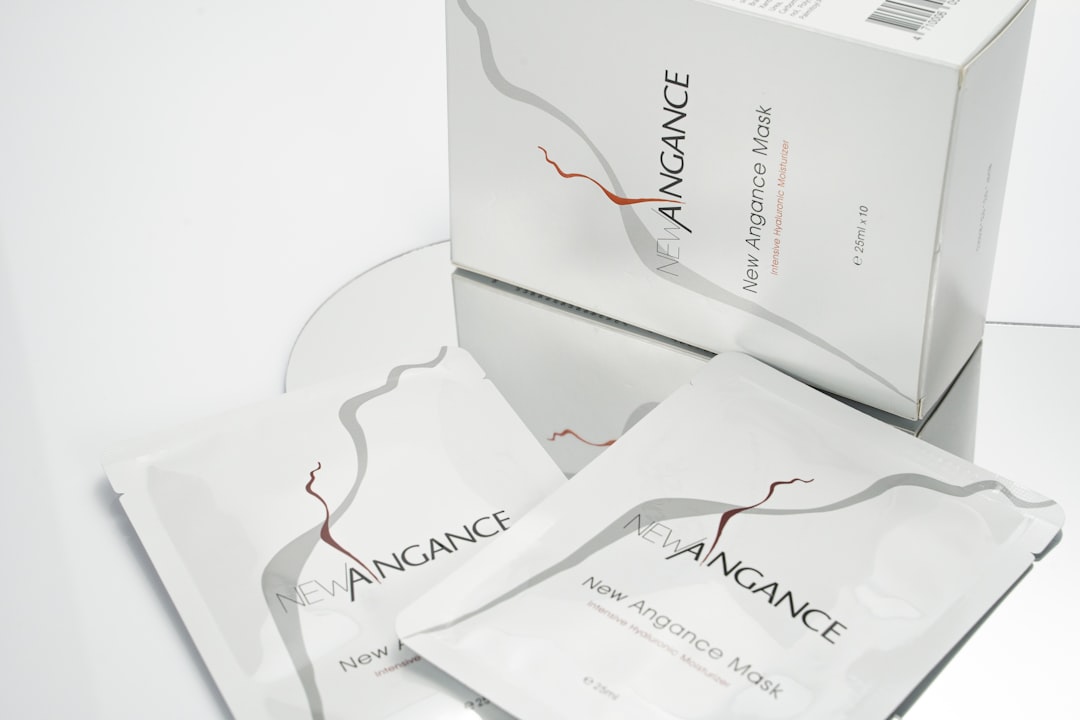
What Happens During a Collagen Eye Care Session
Knowing each step ahead of time lets you relax the moment you sit down. Here's what a session at JH Beauty looks like from start to finish:
Cleansing and Skin Assessment
Your esthetician removes makeup, sunscreen, and surface impurities from the entire eye area using a gentle pH-balanced cleanser. While cleansing, they assess your specific concerns: crow's feet, dark circles, puffiness, crepey texture, or a combination. This assessment shapes which collagen concentrations and techniques they'll use during your session.
Gentle Exfoliation
A mild enzyme or lactic acid exfoliant is applied around (not on) the eyelids to clear dead skin cells and improve product absorption. Without this step, buildup acts like a barrier that blocks serums from penetrating. The periorbital area gets a softer formula than what your cheeks or forehead can tolerate.
Collagen Serum Infusion
This is the core of the treatment. A concentrated collagen peptide serum — formulated with small-molecule hydrolyzed collagen that can actually cross the skin barrier — is applied using specialized techniques. At JH Beauty, this includes gentle tapping motions (effleurage) that push the serum deeper without stretching delicate skin, combined with lymphatic drainage movements to reduce puffiness and improve circulation.
Collagen Mask Application
A collagen-rich mask covers the eye area for 15-20 minutes. The mask creates an occlusive seal that drives the serum deeper into the dermis while delivering additional collagen, hyaluronic acid, and peptides. Most clients describe this as the most relaxing part, a cool soothing sensation as the mask hydrates intensely.
Eye Cream and Sun Protection
After removing the mask, a vitamin-enriched eye cream locks in the treatment benefits. For daytime appointments, mineral sunscreen goes on top to protect freshly treated skin from UV damage. The full session takes about 30-45 minutes with zero downtime. You can head straight back to work or go about your evening.
Who Benefits Most from Collagen Eye Treatment?
While nearly anyone can benefit from extra attention to the eye area, certain groups tend to see the most dramatic improvements:
- Adults 30-55 with early to moderate fine lines: If you're noticing crow's feet when you smile, or small lines that weren't there two years ago, collagen eye treatments can slow and partially reverse this progression. The earlier you start, the more existing collagen your skin retains.
- People with persistent dark circles: Genetic dark circles, common in South Asian, Mediterranean, and East Asian skin types, respond well to the lymphatic drainage component. It improves blood flow and reduces the pooling that causes discoloration. About 60-70% of dark circle sufferers have a vascular or pigmentation component that topical eye creams alone can't fully address.
- Heavy screen users: If you spend 8+ hours daily looking at a computer or phone, you blink about 66% less frequently than normal (roughly 5-7 blinks per minute versus the usual 15-20). Reduced blinking dries out the eye area and accelerates fine lines. The treatment's hydration component directly counters this damage.
- Contact lens wearers: Regular eye rubbing, lens insertion, and removal creates repetitive micro-trauma around the eyes. Over time, this accelerates collagen breakdown. Monthly treatments help rebuild what daily contact lens use depletes.
- Chronic allergy sufferers: Allergic reactions cause inflammation and histamine release, both of which dilate blood vessels under the eyes and create persistent puffiness. The lymphatic drainage aspect of collagen eye treatments reduces fluid retention more effectively than antihistamines alone.
The ideal candidate starts treatments before severe sagging or deep wrinkles appear. Collagen treatments are preventive and corrective at the early to moderate stage, but advanced aging concerns (significant fat loss, pronounced bags) often require medical interventions like fillers, Botox, or surgical blepharoplasty. JH Beauty's approach works best when you're proactive about under-eye care.
DIY Eye Treatments vs. Professional Collagen Care
Drugstore eye creams and at-home collagen masks promise results for $20-50, and they're better than nothing. But they're not interchangeable with professional treatments. Here's what you're actually getting with each approach:
At-Home Eye Products
The typical over-the-counter eye cream contains 1-3% collagen peptides, hyaluronic acid, and maybe a retinol derivative. The molecules are formulated to sit on the skin surface and provide temporary hydration. Absorption rates hover around 8-12% because the products lack professional delivery systems. You'll see modest temporary plumping—the kind that lasts 4-6 hours before your skin returns to baseline. For maintenance between professional sessions, these products are fine. As a standalone solution, they won't reverse existing damage or prevent new wrinkles from forming.
Professional Collagen Treatments
Professional treatments use 15-25% collagen peptide concentrations—roughly 5-8x stronger than drugstore formulas. The molecules are hydrolyzed (broken into smaller chains) so they penetrate the dermal layer where collagen synthesis actually happens. Estheticians apply the serum using massage techniques that improve microcirculation, opening pathways for deeper absorption. Studies show professional infusion methods achieve 35-50% absorption rates, which translates to 3-4x more active collagen reaching your fibroblast cells. The results are cumulative and structural, not just cosmetic.
The Cost-Effectiveness Equation
A $35 eye cream lasts about two months if used daily. That's $210/year for minimal absorption and temporary effects. A monthly collagen eye treatment at $65-85 runs $780-1,020/year, but it delivers measurable structural improvement—thicker skin, fewer wrinkles, reduced pigmentation—that compounds over time. When you factor in the preventive value (avoiding future corrective treatments like fillers or lasers), professional treatments are often the more cost-effective choice for people serious about maintaining their eye area long-term.

Crepey Skin vs. Puffiness: Different Problems, Different Fixes
Crepey skin and puffiness get lumped together as "under-eye issues," but they come from different mechanisms, and that matters for what actually helps.
- Crepey skin is a collagen and elastin problem. The dermis thins, loses structural fibers, and the surface develops fine, tissue-paper-like wrinkling, especially visible when you smile or squint. This gets worse with sun damage and doesn't resolve with sleep or hydration alone.
- Puffiness is usually fluid or fat related: lymphatic drainage slows overnight, salt intake causes water retention, or fat pads that sit below the eye push forward as supporting tissue weakens. Genetics plays a big role here too.
- Dark circles can be pigment-based (melanin) or vascular (blood vessels showing through thin skin), and the two look almost identical but need different approaches entirely.
This is why we always start with a quick assessment before recommending a protocol. A client with genetic under-eye bags and no crepiness needs a completely different plan than someone with sun-related fine lines and minimal puffiness. Treating them the same way wastes time and money.
Collagen-focused eye treatments target the first category directly, rebuilding the structural fibers that keep skin firm and reducing the appearance of fine lines over a course of sessions. For puffiness specifically, we often pair collagen treatment with lymphatic drainage techniques or cooling therapy, since fluid retention responds better to circulation-based approaches than to collagen stimulation alone.

Under-eye skin is roughly a third the thickness of skin elsewhere on the face, which is why fine lines show up here first.
In-Office Treatment vs. At-Home Eye Patches
Drugstore and prestige eye patches are a $50-a-jar industry built on a partial truth: hydration does temporarily plump fine lines and make them less visible. But there's a real gap between what a patch can do and what an in-office collagen treatment can do, and it comes down to depth and concentration.
At-home patches sit on the skin's surface and deliver hydration, peptides, and sometimes caffeine (for temporary de-puffing) into the top layer of skin. They work well for maintenance and for the morning-after-a-bad-night's-sleep puffiness, but the active ingredient concentration is diluted for safety in an unsupervised setting, and there's no massage or lymphatic technique behind it. Most patches also can't penetrate deeply enough to meaningfully affect fibroblast activity in the dermis, which is where new collagen actually gets made.
An in-office treatment uses higher-concentration actives applied with technique, manual massage, sometimes microcurrent, that a patch physically cannot replicate. The esthetician can also adjust pressure and product based on what she sees in real time, something a pre-packaged patch can't do.
The realistic way to think about it: at-home patches maintain and support between sessions. In-office collagen treatment is what actually shifts the structural problem, thinning collagen and lost elasticity, over a series of visits. Clients who pair both get the best results: professional treatment monthly, patches or a peptide eye cream nightly in between.
One caution: patches with strong actives like retinol or high-percentage vitamin C can irritate the eye area if overused. We often get asked about this alongside pigmentation treatment questions, since over-exfoliating near the eyes can actually worsen dark circles by inflaming already-thin skin.
Simple Habits That Support Your Results Between Sessions
Treatment does the heavy lifting, but a few daily habits make a measurable difference in how long results last and how puffy you wake up.
- Sleep position: Sleeping with your head slightly elevated reduces overnight fluid pooling under the eyes. An extra pillow is a free fix that actually works.
- Sodium intake: High-sodium dinners the night before are one of the most common causes of morning puffiness we hear about. Cutting back on evening salt noticeably reduces next-day swelling for a lot of clients.
- SPF, always: UV exposure breaks down existing collagen and accelerates thinning in an area that's already fragile. A mineral SPF applied daily, even on cloudy days, protects the investment you're making in treatment.
- Gentle application: Tugging or rubbing the eye area while removing makeup speeds up crepiness. Use your ring finger with light tapping motions instead.
- Cold compress for acute puffiness: Ten minutes of cold (a chilled spoon or gel mask) constricts blood vessels and reduces swelling fast, useful before an event, though it's not a substitute for treatment.
None of these replace professional treatment, but they extend the life of results between visits and prevent you from undoing progress with daily habits that work against what we're building in the treatment room.
Frequently Asked Questions
How often should I get collagen eye treatments?
For visible results, most estheticians recommend treatments every 2-4 weeks during the initial phase (the first 3 months), then monthly for maintenance. The first few sessions focus on rebuilding collagen density in the under-eye area—your skin needs consistent stimulus to ramp up fibroblast activity. After you reach your target improvement, monthly treatments maintain that baseline. Spacing them further apart (every 6-8 weeks) works for maintenance once you've built up sufficient collagen reserves, but you'll see slower cumulative progress.
Will collagen eye treatments get rid of my under-eye bags completely?
It depends on what's causing the bags. If they're caused by fluid retention (puffiness), collagen treatments with lymphatic drainage can reduce them by 50-70%. If they're structural—actual fat pad herniation where orbital fat pushes through weakened tissue—topical treatments won't fix that. You'd need a lower blepharoplasty (eyelid surgery) to reposition or remove the fat. Most people under 50 have a combination: some fluid retention, some collagen loss, and mild fat pad descent. Collagen treatments handle the first two issues well.
Can I combine collagen eye care with other facial treatments?
Absolutely. Many clients at JH Beauty pair collagen eye care with full facial protocols like the DPL Light Therapy for Anti-Aging or RF Skin Tightening treatments. The key is scheduling: if you're doing anything invasive (chemical peels, microneedling), wait 7-10 days before treating the eye area. For non-invasive treatments, you can combine them in the same session. The eye area can handle gentle treatments weekly, but only one intense treatment per month.
Is there any downtime after a collagen eye treatment?
No. You might have slight redness immediately after—it fades within 30-60 minutes—but there's no peeling, swelling, or restrictions on activity. You can wear makeup the next day, work out the same evening, and resume your normal skincare routine immediately. The only post-treatment guideline is to avoid heavy eye rubbing for 24 hours so the serum has time to fully absorb.
Will my dark circles completely disappear?
That depends on their cause. Vascular dark circles (bluish or purple from blood vessel visibility) improve significantly—most clients see 40-60% reduction after 3-4 treatments because lymphatic drainage and collagen rebuilding thicken the skin and improve circulation. Pigmented dark circles (brown or gray from melanin deposits) require different treatments—chemical peels, vitamin C serums, or laser therapy target pigment better than collagen alone. Structural dark circles (shadowing from tear trough hollowing) improve moderately—collagen plumps the area, but severe hollowing often needs filler for full correction. A consultation can pinpoint which type you have and set realistic expectations.
Does collagen eye treatment hurt?
No. The under-eye area is treated gently by design since the skin is thin and sensitive. Most clients describe the massage and product application as relaxing, and there's no downtime afterward.
What's the earliest age I should start?
Collagen production begins declining in your mid-20s, so clients in their late 20s often start as a preventive measure, especially if they notice early fine lines or have significant screen time and sun exposure. There's no strict starting age; it depends on what you're seeing in the mirror.
Do eye creams with collagen actually work?
They moisturize and can soften the look of fine lines for a few hours, which is worth something. They do not add collagen to the skin: the molecule is too large to absorb. Treat a collagen eye cream as maintenance between treatments, not as the treatment.
Does collagen help under-eye bags or dark circles?
Collagen loss makes the under-eye area thinner, so shadows and hollows show more; restoring firmness helps both. Puffiness from fluid or sleep responds faster to cold, hydration and sleep than to any collagen product, and dark circles caused by pigmentation need brightening rather than collagen alone.
About the author
Ruby
Owner and Lead Esthetician, J.H Beauty
Owner of JH BEAUTY, a skincare studio in Palo Alto, CA offering advanced facial treatments, scalp care, and body management using technologies from Japan, Korea, Switzerland, and Italy.