Dandruff vs Dry Scalp: The Short Answer
Flakes on your shoulders don't tell you much by themselves. Two very different scalp conditions can drop the same white dust, and they need opposite handling. Dry scalp is a shortage of moisture. Dandruff is an oil-and-yeast problem. Treat one like the other and you can make it worse.
Here's the quick sorting rule dermatology sources such as the American Academy of Dermatology and Mayo Clinic describe:
- Dry scalp: small, white, powdery flakes. The scalp feels tight and a bit itchy. Your skin is often dry elsewhere too, especially in winter.
- Dandruff: larger, yellowish or oily-looking flakes that stick to the hair. The scalp can look slightly greasy, with mild itching.
- Seborrheic dermatitis: the heavier form of dandruff. Red, inflamed skin, greasy scales, and often flaking along the hairline, behind the ears or around the brows.
This guide walks through each one, then answers the question most people actually have: what can a professional scalp session do, and what should go to a dermatologist? We're a Korean skincare studio in Sunnyvale, so we'll be clear about both sides. A scalp spa session can support a clean, balanced scalp. It isn't medical treatment, and we won't pretend it is.
If you only remember one thing, make it this: the color, size and feel of the flakes are your first clue. Powdery and tight points to dryness. Oily and clumpy points to dandruff. Red and angry points to a skin condition worth getting looked at.
What Dry Scalp Actually Is
Dry scalp happens when the skin barrier loses water faster than it can hold it. The scalp is skin like any other, and it responds to the same triggers: cold air, indoor heating, long hot showers, and harsh surfactants in shampoo. The flakes are tiny bits of dried-out skin cells, and they tend to be fine and white.
You'll usually notice these patterns with dry scalp:
- It flares in fall and winter, then calms down in humid months.
- Your hair isn't oily, and may feel dry or static-prone.
- The itch is mild and the skin isn't red.
- Your face, arms or legs also feel dry.
What tends to help
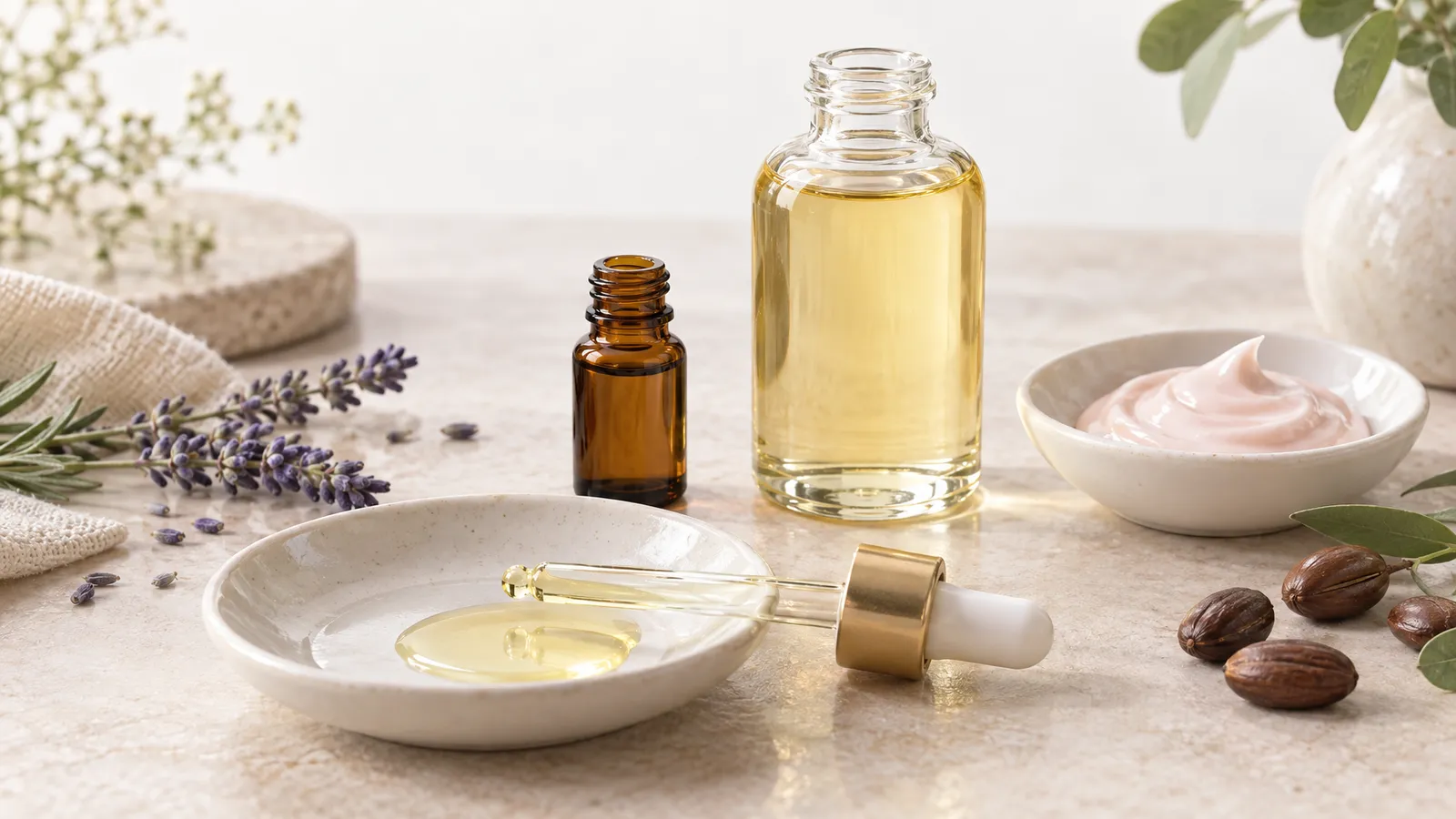
The fix is gentler washing and more moisture, not stronger cleansing. Wash with lukewarm water instead of hot. Pick a mild shampoo, and don't wash more often than you need to. Some people do well with a light, non-greasy scalp serum. Skip the anti-dandruff shampoo unless a professional tells you otherwise, because many are built to strip oil, which a dry scalp doesn't have much of.
Scalp products that exfoliate hard can backfire here too. If the barrier is already stressed, scrubbing it adds irritation. A gentle approach for a few weeks is a fair test. If the flaking hasn't improved after that, you may be dealing with something other than plain dryness.
That's the point where people tend to guess wrong. They assume more moisture is the answer, pile on oils, and end up feeding a yeast that thrives on them. Which brings us to dandruff.
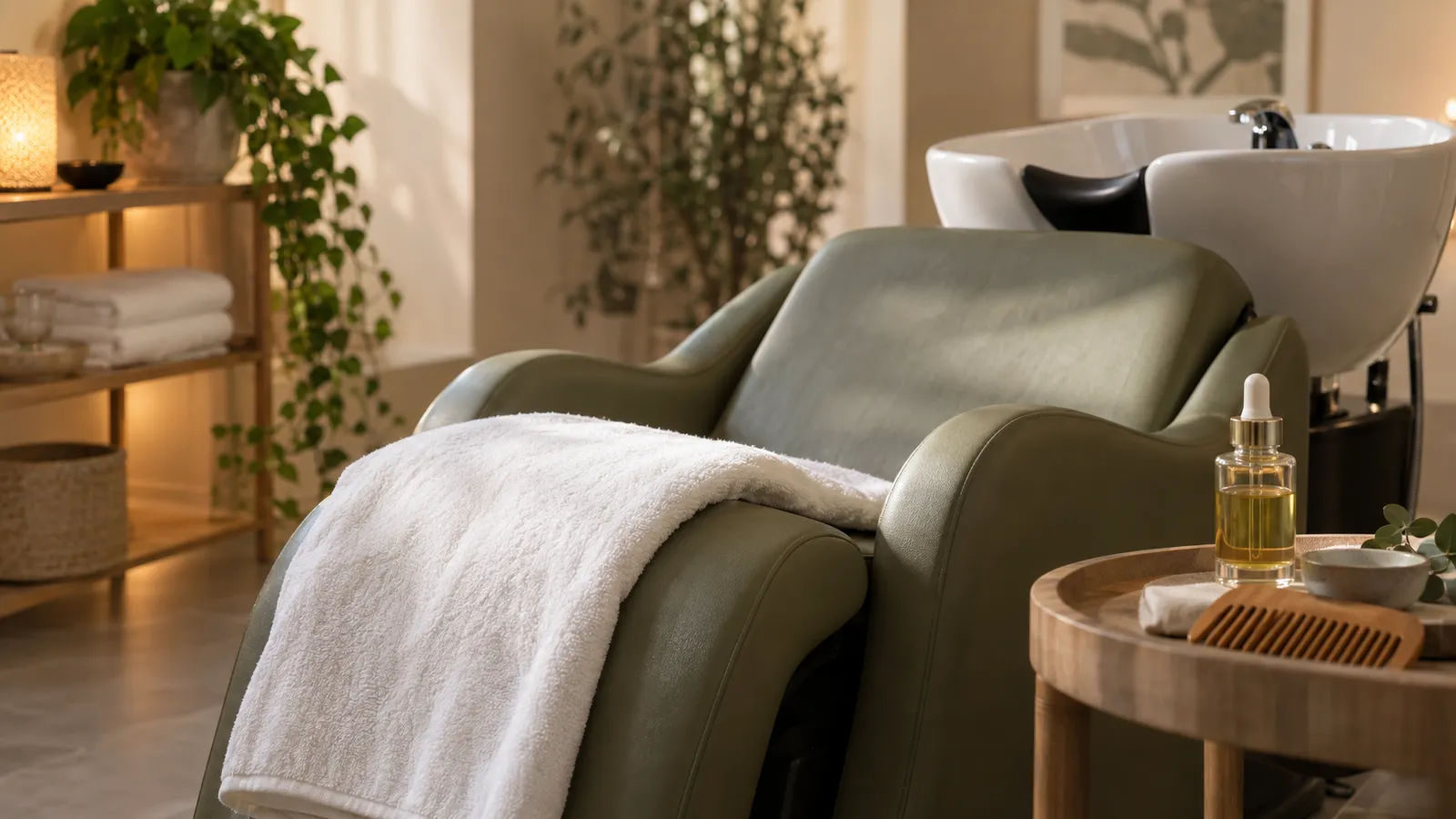
A scalp session starts with a look at what your scalp is actually doing.
What Dandruff Is, and Why It Isn't Dryness
Dandruff is not caused by a dirty scalp, and it isn't a moisture problem. Dermatology sources describe it as a mix of three things: natural scalp oil (sebum), a yeast called Malassezia that lives on most adult scalps, and an individual sensitivity to the byproducts that yeast makes. When that sensitivity kicks in, the scalp renews its skin cells too fast and sheds them in visible clumps.
That's why dandruff flakes look different from dry-scalp flakes. They're bigger, they can look yellowish or slightly oily, and they cling to hair near the roots instead of falling off as dust.
Common dandruff patterns
- Flaking is worse when the scalp gets oily between washes.
- Stress, poor sleep, and seasonal changes can trigger flare-ups.
- The itch is mild to moderate, and the skin underneath is not very red.
- It comes and goes. It rarely disappears for good, so management beats a one-time cure.
The usual first step
Medicated shampoos are the standard first-line approach in dermatology guidance. Ingredients you'll see on labels include zinc pyrithione, ketoconazole, selenium sulfide and salicylic acid. They work by calming the yeast or loosening scale, and each has its own rhythm. Many people use one a couple of times a week and rotate. Follow the label, and ask a pharmacist or dermatologist if you're unsure which fits.
A professional scalp treatment doesn't replace that step. What it can do is give the scalp a thorough, gentle cleanse, clear buildup around the follicles, and help you keep a balanced routine. We'll get to exactly what that looks like in a moment.
Seborrheic Dermatitis: When Flakes Become a Skin Condition
Seborrheic dermatitis is the same oil-and-yeast story as dandruff, only with inflammation added. Think of dandruff as the mild end of a spectrum and seborrheic dermatitis as the stronger end. It's common, it's not contagious, and it has nothing to do with how clean you are.
The signs that separate it from simple dandruff:
- Skin that looks red or pink under the flakes.
- Greasy, yellow or honey-colored scales that feel stuck on.
- Flaking or redness beyond the scalp: along the hairline, behind the ears, in the eyebrows or beside the nose.
- Itching that keeps you awake or makes you scratch until the skin is sore.
This is a medical diagnosis, and a dermatologist is the right person to confirm it. Treatment often involves prescription-strength antifungal or anti-inflammatory products, and the right choice depends on your skin. A spa session can't diagnose it, and it shouldn't be used to treat open, bleeding or badly inflamed skin.
Plenty of people with mild, well-managed seborrheic dermatitis also like a professional scalp cleanse between medical visits to keep buildup down. If that's you, tell your therapist what your dermatologist has recommended, and mention any medicated shampoo you use so the session works around it.
Other conditions can mimic all three of these, including psoriasis, eczema and contact dermatitis from hair products. Thick, silvery, well-defined plaques, for instance, point toward psoriasis rather than dandruff. That's one more reason a stubborn, red scalp deserves a professional opinion before you spend money on treatments.
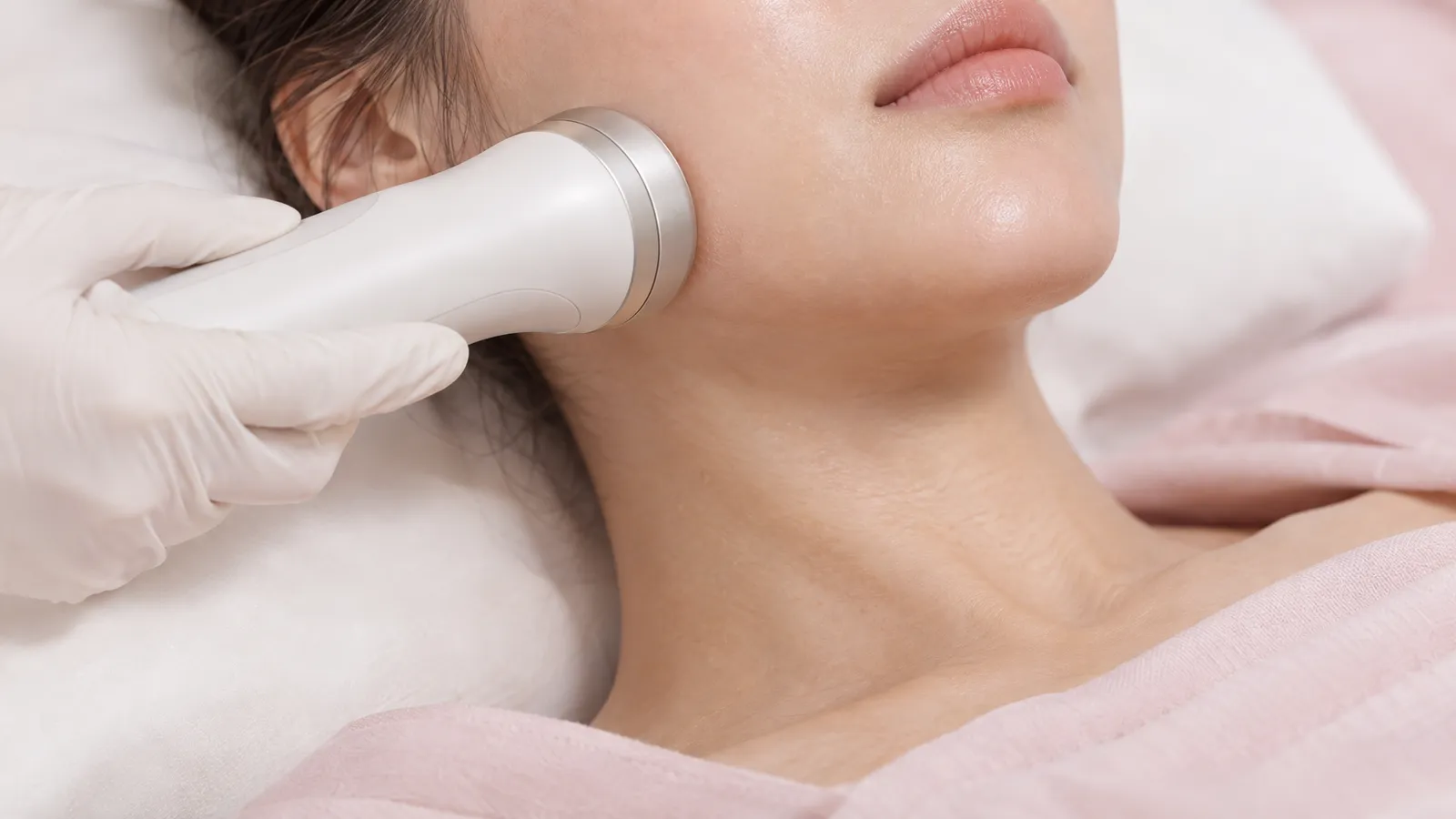
A calm, even scalp with no redness is the baseline a spa session works from.
Where a Scalp Spa Session Fits
A scalp treatment is a care service, not a medical one. It can't diagnose dandruff or seborrheic dermatitis, and it doesn't replace a medicated shampoo or a prescription. What it can do is deep-cleanse, remove product and oil buildup, and leave the scalp comfortable and balanced. For many people with mild, oily-type flaking, that's a useful addition to what they already do at home.
At JH Beauty in Sunnyvale, two sessions are the closest match to the dandruff and oily-scalp side of this topic. You can see everything we offer on our treatment menu, and read about the studio's approach on the head spa page.
- Hydrogen scalp care, $258, 75 minutes. A hydrogen-water cleansing session built around a healthy scalp, listed for dandruff-prone scalps. Our hydrogen scalp treatment guide explains what the technology does and what the research does and doesn't show.
- CO2 Oway botanical scalp care, $218, 75 minutes. A carbonated spring-water session with Italian botanical mineral extracts, aimed at oily scalps and oil control. Our CO2 scalp treatment article covers the process step by step.
Who it suits
A session makes the most sense if your flakes are the oily, clumpy kind, your scalp feels congested, and your skin isn't red or sore. It's a reasonable pick if you've already been managing mild dandruff with shampoo and want a deeper reset.
Who should skip it, for now
If your scalp is inflamed, bleeding, cracked or oozing, wait and see a doctor first. The same goes if you're using a prescription scalp treatment and haven't checked with your dermatologist about professional sessions. And if the problem is plain dryness, a gentle moisturizing routine at home usually does more than a deep-cleansing service.
Tell your therapist about any shampoo or medication you use. The session can be adjusted around it, and it's the honest way to get a result that suits your skin.
When to See a Dermatologist Instead
Some scalp problems shouldn't wait on a spa visit. Book a dermatologist if you notice any of these:
- Flaking that hasn't improved after about four weeks of a gentle routine or a medicated shampoo.
- Red, swollen, cracked, bleeding or oozing skin.
- Thick, silvery or crusted patches with clear edges.
- Hair shedding or bald patches along with the flaking.
- Rash on your face, ears, eyebrows or chest at the same time.
- Pain, burning, or pus, which can signal infection.
A dermatologist can tell dandruff, seborrheic dermatitis, psoriasis and eczema apart, which is something no home test or spa therapist can do. Once you have a diagnosis and a plan, a professional scalp session can sit alongside it as a care step, if your doctor is comfortable with it.
FAQ: Dandruff, Dry Scalp and Scalp Treatments
How can I tell dandruff from dry scalp?
Look at the flakes and the scalp. Dry scalp gives small, white, powdery flakes and a tight feel, and your hair usually isn't oily. Dandruff gives larger, yellowish, oily-looking flakes that stick to the hair, often with an oilier scalp. Redness and greasy scales suggest seborrheic dermatitis, which a dermatologist should confirm.
Can a scalp spa treatment cure dandruff?
No. Dandruff is a long-term tendency that comes and goes, so it's managed rather than cured. A professional session can deep-cleanse the scalp and clear buildup, and it can sit beside a medicated shampoo. It isn't a medical treatment.
Which JH Beauty scalp treatment suits an oily, flaky scalp?
Two sessions fit best. The hydrogen scalp care is $258 for 75 minutes. The CO2 Oway botanical scalp care is $218 for 75 minutes and is aimed at oily scalps and oil control. Both are care services, so tell your therapist about any shampoo or medication you use.
Is it safe to get a scalp treatment with seborrheic dermatitis?
If your skin is mildly flaky and not inflamed, many people do. If it's red, sore, cracked or bleeding, wait and see a dermatologist first. Share your doctor's advice with your therapist before booking.
Should I use anti-dandruff shampoo on a dry scalp?
Usually not. Many are made to control oil and can leave an already dry scalp feeling tighter. Start with a mild shampoo, lukewarm water and a light moisturizer, and see a professional if the flaking doesn't ease.