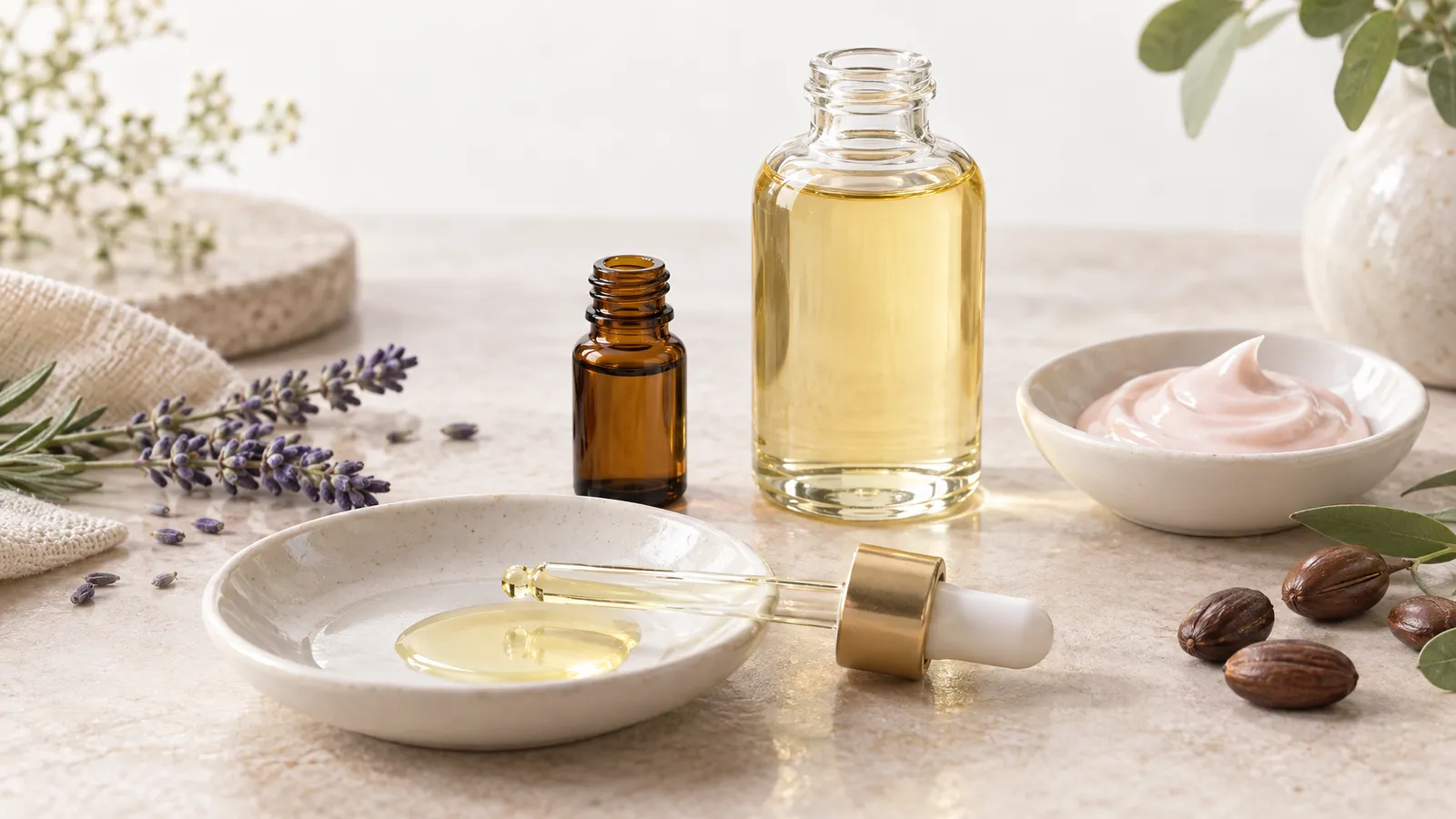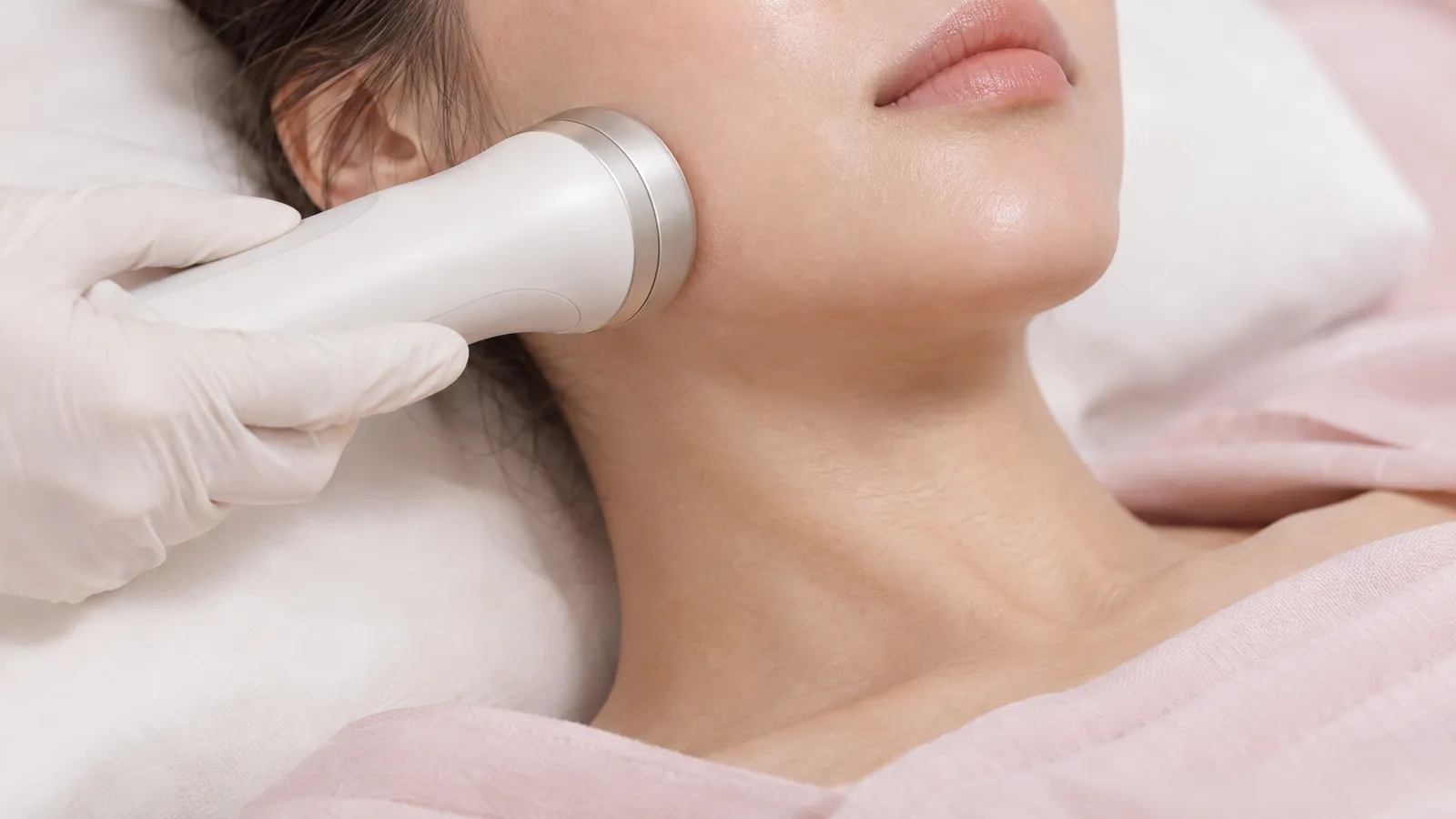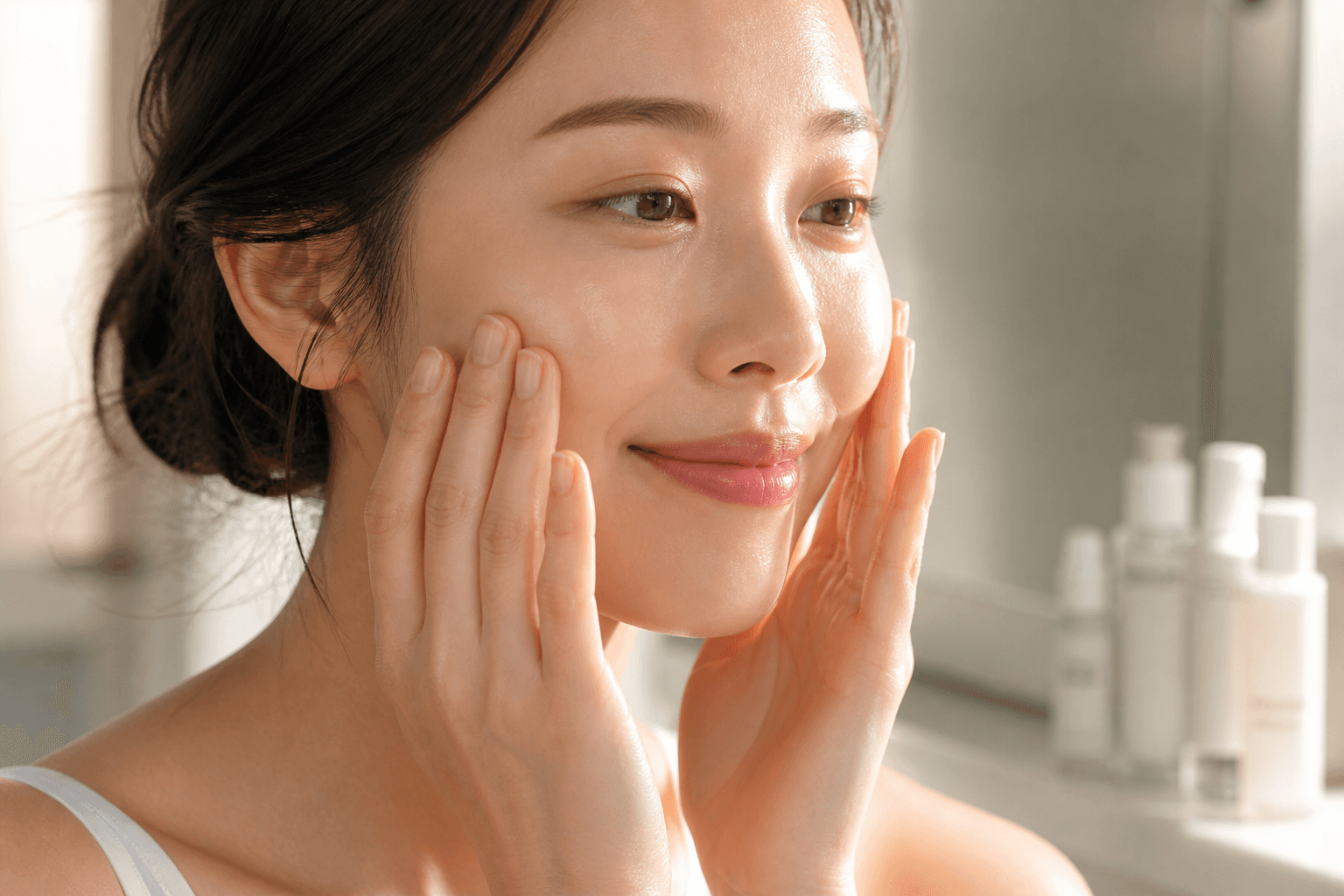
A Korean skincare routine at home comes down to five habits: cleanse gently (twice at night only if you wore waterproof sunscreen or makeup), add a light hydrating layer, treat one concern with a serum, moisturize while skin is still damp, and finish every morning with broad-spectrum SPF 30 or higher. The famous 10 steps are optional. Consistency isn't.
This guide goes through each step in order, what the dermatology sources say about it, how to adjust through the seasons, and how to handle the days right after a professional facial.
Why the Home Routine Matters Between Facials
A facial is one appointment. What your skin does in the weeks after depends mostly on what you do every morning and night. Cleveland Clinic dermatologist Dr. Alok Vij puts it bluntly: "If you give someone a 10-step routine, they're probably going to do two or three of those steps reliably." His advice is to take the philosophy of Korean skincare, which is gentle, layered and consistent, rather than every product.
The American Academy of Dermatology (AAD) makes a related point: using too many products can irritate the skin, especially if you're using more than one anti-aging product. And it names the two products it considers most effective against visible aging: sunscreen and moisturizer. Everything else is a supporting act.
So the routine below is built around a core you can do in a few minutes, with extras you can add when you have time.
The Full 10-Step Korean Routine (and What to Keep)
Cleveland Clinic lays out the classic Korean sequence like this:
- Oil-based cleanser
- Water-based cleanser
- Exfoliant (one or two times a week)
- Toner
- Essence
- Face oil, serum or ampoule for your main concern
- Sheet mask (not every day)
- Eye cream
- Moisturizer
- Sunscreen
Steps 3 and 7 are weekly, not daily, and toner, essence and eye cream are all optional. That leaves a daily core of cleanse, treat, moisturize and protect, which lines up with the AAD's own recommended order: wash with a gentle cleanser and pat dry, apply any treatment or medication, then moisturizer and/or sunscreen, then makeup if you wear it.
Step by Step: The Daily Core
1. Cleanse, twice at night if you need to
Double cleansing means an oil-based cleanser first, then a water-based one. Cleveland Clinic dermatologist Dr. Jane Wu says the oil step is good at removing waterproof makeup and sunscreen, and can help oily skin shed excess sebum. She also says double cleansing is usually not necessary: if you go makeup-free, one thorough wash with a gentle cleanser is enough, and overwashing can dry and irritate skin and break down its barrier. Micellar water before a water-based cleanser is the alternative she suggests.
Whichever you do, the AAD's face-washing rules apply: use a gentle, non-abrasive cleanser without alcohol, wet your face with lukewarm water, apply cleanser with your fingertips rather than a washcloth or sponge, don't scrub, rinse and pat dry with a soft towel. Limit washing to twice a day, plus after heavy sweating.
2. Hydrating layer: toner or essence (optional)
In Korean routines, toner and essence are thin, watery layers that go on right after cleansing. They're optional. If your skin feels tight after washing, a hydrating layer with ingredients like hyaluronic acid or glycerin is an easy fix; the AAD lists both, along with ceramides, among the ingredients to look for in products meant to hydrate.
3. One targeted serum
This is the "treatment" step in the AAD's order. Pick one concern at a time. The AAD advises focusing on a single aging concern and giving sunscreen and moisturizer a few weeks to work before adding targeted products, partly to avoid irritation.
If you're adding a retinol, the AAD says to use it only at night, start with the gentlest formula every other night and build up slowly, and always wear sun protection during the day. People with darker skin tones should watch for irritation, which can trigger dark spots.
4. Moisturize on damp skin
Apply moisturizer while your skin is still slightly damp. The AAD explains that this traps water in the skin and keeps it from evaporating. Match the texture to your skin: a gel for oily skin, a cream or ointment for dry skin.
5. Sunscreen every morning
The AAD recommends a sunscreen labeled broad spectrum (protecting against both UVA and UVB), SPF 30 or higher, and water resistant. Apply it about 15 minutes before going outside and reapply every two hours when you're outdoors, even on overcast days, and after swimming or sweating. Any sunscreen that meets those three criteria and that you'll actually wear is the right one.
Weekly Extras: Exfoliation and Sheet Masks
Exfoliation. The AAD separates two kinds: mechanical (a brush, sponge or scrub) and chemical (alpha and beta hydroxy acids that dissolve dead cells). Dry, sensitive or acne-prone skin usually does better with a mild chemical exfoliant; oily, thicker skin can handle more. The more aggressive the method, the less often you need it, and over-exfoliating leaves skin red and irritated. If you use a retinoid, retinol or benzoyl peroxide, exfoliating on top can make dryness or breakouts worse. People with darker skin tones should avoid aggressive exfoliation, which can lead to dark spots. Moisturize right after.
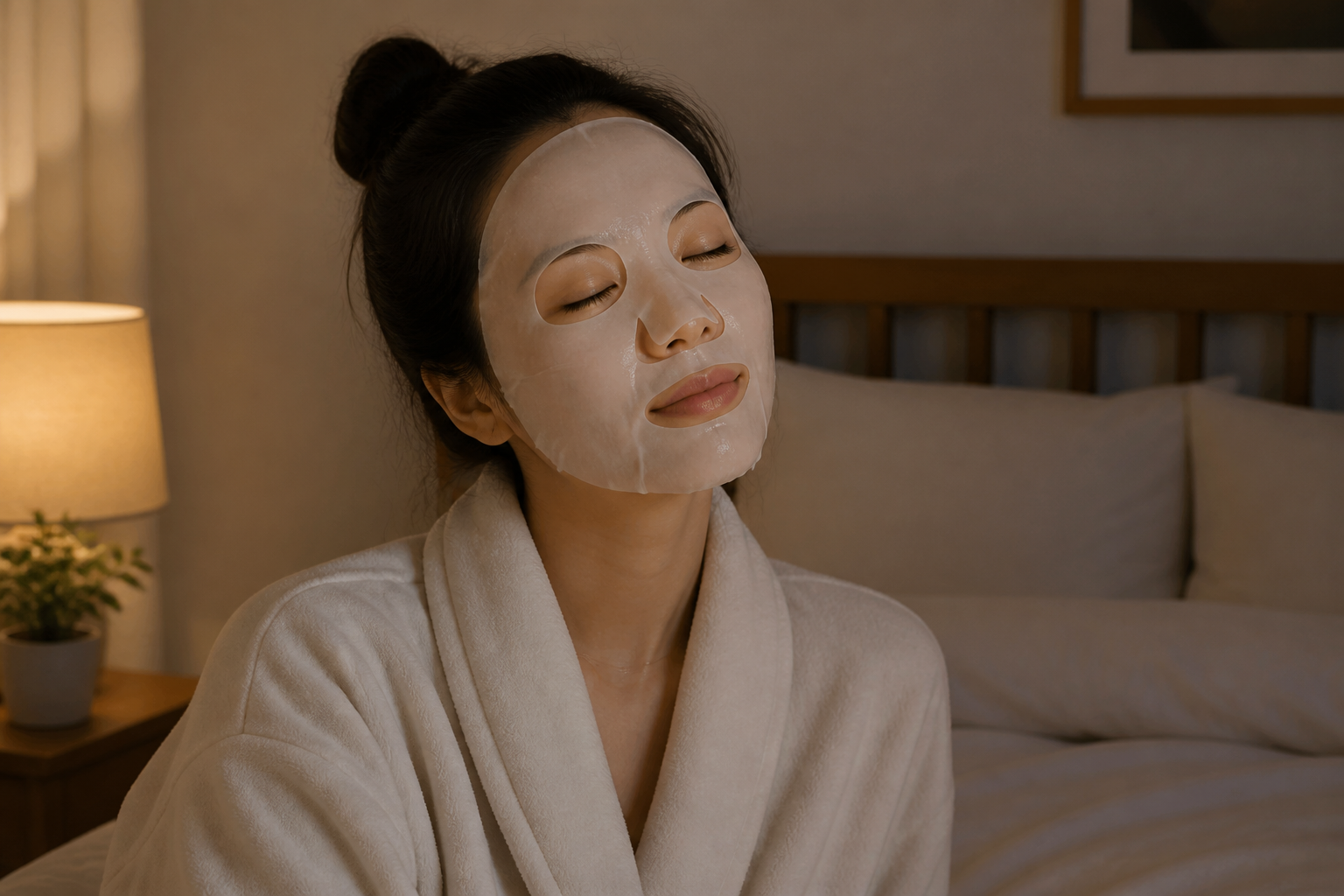
Sheet masks. Cleveland Clinic's routine lists them as "not every day." Think of them as an occasional hydration step rather than a treatment.
Adjusting Your Routine Through the Year
The steps stay the same across seasons; the textures change. When skin feels oily or the weather warms up, a gel moisturizer is the lighter option the AAD suggests for oily skin. When it turns dry, move to a cream or ointment, keep showers to five to ten minutes in warm (not hot) water, choose fragrance-free products, and consider a humidifier in the bedroom overnight, all from the AAD's dry-skin tips.
Sunscreen doesn't get a season off. The AAD's reapplication advice applies on cloudy days too. And "natural" isn't a shortcut to gentle: as the AAD puts it, "all natural in no way means hypoallergenic."
How to Use Your Routine Around a Facial
Your home routine and your facials work on different timelines. A professional treatment is where you get steps you can't do at home; your daily routine keeps skin hydrated and protected in between. A few rules of thumb:
- After a chemical peel, follow the aftercare you're given. For light peels, the AAD lists healing time of 1 to 7 days, and advises daily sunscreen once skin heals to maintain results. Pause home exfoliation and retinol until your skin has recovered.
- After a hydrating or brightening facial, the core routine (gentle cleanse, moisturizer, SPF) is all you need for the first days.
- Bring your products to your appointment or list them when you book, so your esthetician can tell you what to pause.
Facials on JH Beauty's Sunnyvale menu that fit around a home routine include the Korean Style Rejuvenation Skin Management (90 minutes, $238), the European Deep Cleaning Facial (75 minutes, $168), the Vital-C Brightening Antioxidants Facial (75 minutes, $218) and the Chemical Peeling Series Treatment (90 minutes, $278). Read more in our guides to the Korean glass skin facial, the vitamin C facial and chemical peel types and recovery, or see all prices on the menu.
FAQ: Korean Skincare Routine at Home
How many steps does a Korean skincare routine really need?
Four to five done every day: cleanse, an optional hydrating layer, one targeted serum, moisturizer and, in the morning, broad-spectrum SPF 30 or higher. Cleveland Clinic's dermatologist notes most people only keep two or three steps of a 10-step routine, so build a short routine you'll actually follow.
Do I need to double cleanse every day?
No. A Cleveland Clinic dermatologist says double cleansing is usually not necessary and helps mainly when you wear waterproof makeup or sunscreen. Otherwise one thorough wash with a gentle cleanser is enough. The AAD recommends washing no more than twice a day, plus after heavy sweating.
Can I skip essence?
Yes. Essence and toner are optional hydrating layers. Sunscreen and moisturizer are the two products the AAD calls the most effective against visible aging, so prioritize those.
How often should I exfoliate at home?
Cleveland Clinic's Korean routine lists exfoliation once or twice a week. The AAD adds that stronger methods need less frequent use, that over-exfoliating causes redness and irritation, and that retinoid, retinol or benzoyl peroxide users should be especially careful.
What order do I apply products in?
The AAD's order is cleanser, then any treatment or medication, then moisturizer and/or sunscreen, then makeup.
What should I change after a facial or peel?
Follow your aftercare instructions. After a peel, hold off on exfoliants and retinol until skin has healed (the AAD puts light-peel healing at 1 to 7 days) and wear sunscreen daily. After a hydrating facial, stick to gentle cleansing, moisturizer and SPF for the first days.
Are Korean products better than other skincare?
Not by origin alone. What matters is whether a product suits your skin type, is gentle enough to use daily and, for sunscreen, meets the AAD's criteria: broad spectrum, SPF 30 or higher and water resistant.