
Best Korean Skincare in Sunnyvale: Local Picks
JH Beauty's guide to Korean skincare products and treatments available in Sunnyvale, from Cellcosmet peptides to hydrofacials.
Why Korean Skincare Has Taken Over Sunnyvale
Korean skincare isn't a trend anymore. It's the standard. Walk into any beauty store in the Bay Area and you'll find sheet masks, essences, and serums that didn't exist on American shelves ten years ago. But Sunnyvale has something most cities don't: a concentration of Korean-owned esthetician studios where you can get the products and the professional treatments under one roof.
The global K-beauty market hit $13.2 billion in 2025, according to Statista, and it's projected to reach $18.3 billion by 2030. That growth is driven by one thing: results. Korean skincare brands invest heavily in clinical research. Products like Cellcosmet (Swiss, but a staple in Korean clinics) use cellular peptide technology that's been studied in over 40 peer-reviewed papers. When your dermatologist's office in Seoul uses the same line your local Sunnyvale esthetician carries, that says something.
At JH Beauty in Sunnyvale, the approach mirrors what you'd find in a Korean skin clinic: a consultation, a customized treatment plan, and products selected for your specific skin type. The difference from a department store counter? Your esthetician has actually used these products on thousands of faces and can tell you which ones are worth your money. Browse our full Korean skincare treatment menu to see which protocol matches your skin goals.
The Korean Skincare Routine: What Actually Matters
You've probably heard about the "10-step Korean skincare routine." Here's the truth: most Korean estheticians don't follow all 10 steps every day. The core routine that delivers 80% of the results uses 5 steps:
- Oil cleanser — dissolves sunscreen and makeup without stripping your skin. Use every evening.
- Water-based cleanser — removes any remaining residue. Look for a pH between 5.0 and 6.0 to protect your acid mantle.
- Toner or essence — hydrates and preps skin to absorb the next layers. Korean toners are thinner and more hydrating than Western astringent-style toners.
- Serum or ampoule — your targeted treatment step. Vitamin C for brightening, niacinamide for pores, peptides for anti-aging.
- SPF 50+ sunscreen — non-negotiable. Korean sunscreens use newer UV filters (like Tinosorb S) that feel lighter and don't leave a white cast.
The extra steps (sheet masks, sleeping packs, eye creams, exfoliants) are add-ons you rotate in 2-3 times per week. If someone tells you that you need all 10 steps daily, they're selling you products, not giving you a routine.
At JH Beauty, the Korean Style Rejuvenation Skin Management treatment ($238) follows this same philosophy: cleanse thoroughly, infuse active ingredients, and protect. The difference is that professional-grade serums penetrate deeper than anything you'd apply at home, especially when paired with devices like DPL light therapy or hydrogen infusion.
Cellcosmet: The Swiss-Korean Powerhouse You Should Know
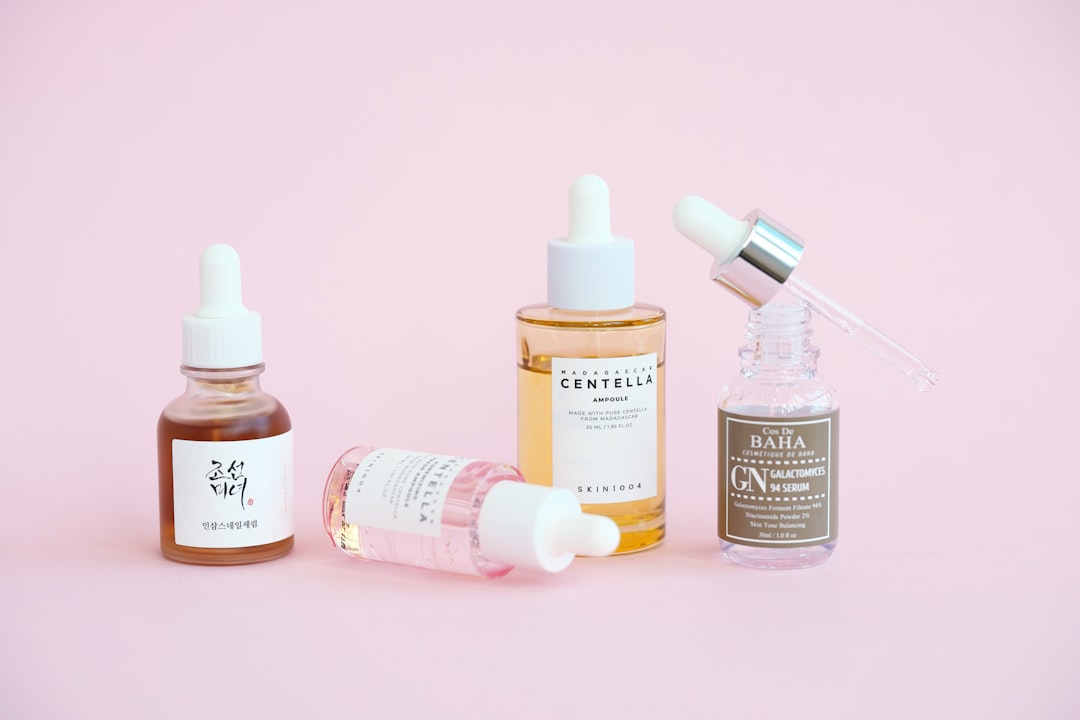
If you've visited a high-end skin clinic in Seoul, Taipei, or Tokyo, you've probably encountered Cellcosmet. It's a Swiss brand, but it dominates Korean clinical skincare because of one thing: stabilized cellular peptide extracts. These aren't your average peptides from a drugstore serum. Cellcosmet's proprietary CytoPep™ technology uses bio-integral cells that are stabilized at -196°C and retain their biological activity when applied to skin.
What does that mean in plain English? Your skin cells get a direct supply of growth factors, amino acids, and vitamins that mimic what young, healthy cells produce naturally. A 2024 clinical study published in the Journal of Cosmetic Dermatology found that participants using Cellcosmet's Cellular Cream saw a 34% improvement in skin elasticity and a 28% reduction in fine line depth after 12 weeks. Learn more about Cellcosmet VitaCell treatments and how this Swiss biotechnology delivers clinical-grade anti-aging results.
JH Beauty carries two Cellcosmet treatment lines:
- Cellcosmet Ultracell Intensive Cellular Peptides Skin Management — the premium option. Uses concentrated cellular peptide serum with microcurrent delivery for deeper penetration. Best for clients over 40 or anyone dealing with loss of firmness. Runs $200-$350 per session.
- Cellcosmet Whitening & Collagen Facial Treatment — combines cellular extracts with vitamin C derivatives and marine collagen for brightening and plumping. A good entry point if you want to try Cellcosmet without the full investment. Runs $150-$250 per session.
These aren't the kind of products you'd buy off Amazon. Cellcosmet requires professional application and proper skin preparation to work effectively, which is why it's only available through licensed estheticians.
Korean Tech Facials Available in Sunnyvale
Korean skincare isn't just about products. It's about devices. South Korea leads the world in FDA-cleared aesthetic technology, and the treatments available at Sunnyvale studios reflect that. Here's what you can actually book locally:
- Hydrofacial (Hydrogen + Hydroveil) — JH Beauty's version uses hydrogen-infused water to deep clean pores while delivering hyaluronic acid through a vortex tip. It's gentler than traditional HydraFacial machines and doesn't leave redness. Takes about 60 minutes. There's also a 30-minute express option for men ($50-$80).
- Korean Nir-DPL Milk Light Therapy — uses near-infrared and DPL (Dye Pulsed Light) wavelengths to target pigmentation, redness, and acne scarring. The "milk light" name comes from the brightening effect after one session. Available for face and back. Read more about DPL Milk-light PhotoFacial technology and how it addresses multiple skin concerns in a single session.
- RF Anti-aging V-shape & Lifting — radiofrequency energy heats the deeper dermis layer to 42-45°C, triggering collagen remodeling over 4-6 weeks. You'll notice tighter jawline definition after 3-4 sessions. Discover the full benefits of RF V-Shape lifting as a non-surgical facelift alternative.
- Plasmas & LDM Top Tech Therapy — combines cold plasma sterilization (kills 99.9% of surface bacteria) with LDM (Local Dynamic Micro-massage) ultrasound. The plasma step is especially useful for acne-prone skin because it reduces P. acnes bacteria without antibiotics. Learn how plasma and LDM technology work together for comprehensive cellular repair.
- Italy Quantus Collagen Lifting — uses microcurrent and LED to stimulate collagen synthesis in the SMAS layer (the same layer that surgical facelifts target). Results build over 6-8 sessions.
Each of these treatments costs between $168 and $398 at JH Beauty, depending on the session length and whether you add on a serum infusion. Compare that to the same technologies in San Francisco clinics, where you'll typically pay $250-$600 for an equivalent session.
Korean Skincare Products Worth Buying in Sunnyvale
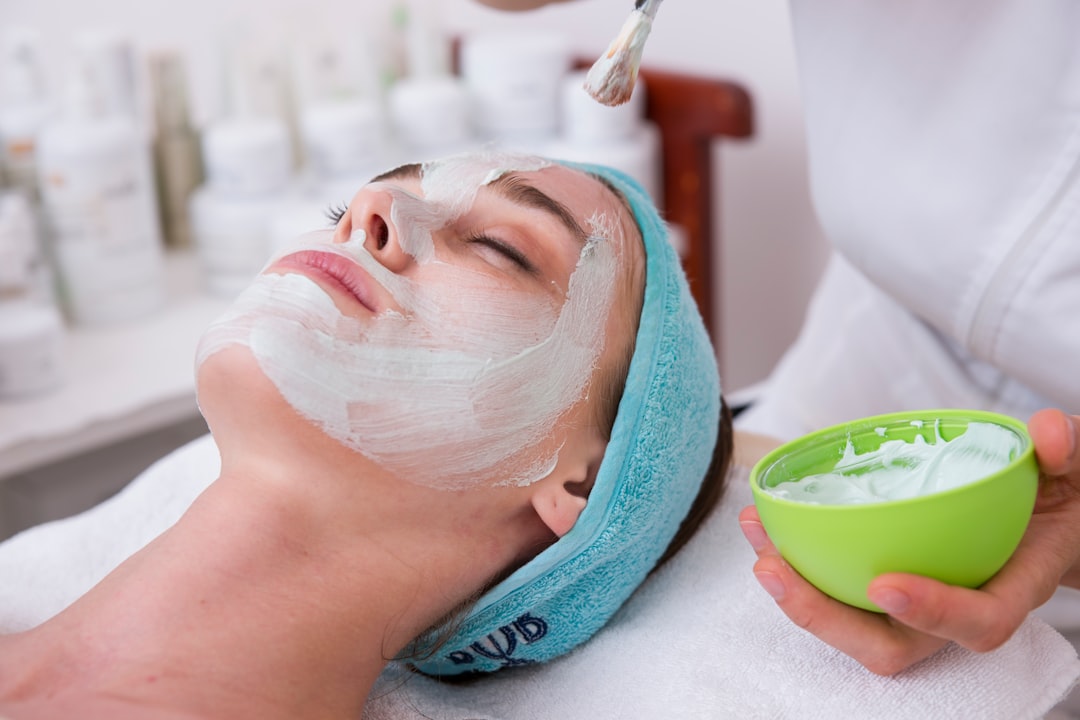
Not every Korean skincare product is worth the hype. After working with thousands of clients, JH Beauty's estheticians have narrowed down the product categories that make the biggest difference for Bay Area skin (which tends to be drier than you'd expect, thanks to low indoor humidity and constant screen time):
- Hydrating toners with hyaluronic acid — Look for products containing multiple molecular weights of HA (low, medium, and high). The smaller molecules penetrate deeper, while larger ones sit on the surface and lock in moisture. Popular brands: Klairs, Pyunkang Yul, COSRX.
- Niacinamide serums — This form of vitamin B3 is a workhorse ingredient. It reduces pore size, fades hyperpigmentation, and strengthens your skin barrier. Korean formulations often combine it with licorice root extract for extra brightening. Ideal concentration: 4-10%.
- Sunscreen (SPF 50+) — Korean sunscreens use newer UV filters that American brands can't access yet due to FDA approval delays. Brands like Beauty of Joseon, Isntree, and Round Lab make sunscreens that feel like moisturizers instead of thick, greasy paste.
- Sheet masks — Not a daily necessity, but useful 2-3x per week when your skin feels dehydrated. Look for masks soaked in essence (the liquid should drip when you unfold it). Ingredients to prioritize: ceramides, peptides, centella asiatica.
- Sleeping packs — These overnight masks create an occlusive barrier that traps your serums and prevents transepidermal water loss while you sleep. Especially helpful in winter when indoor heating dries out your skin.
JH Beauty doesn't retail products on-site, but your esthetician will give you specific product recommendations based on your skin assessment. Most Korean skincare is available through Amazon, YesStyle, or Olive Young (which ships to the Bay Area).
Korean vs. Japanese Skincare: What's the Difference?
If you're exploring Asian beauty in Sunnyvale, you've probably seen both Korean and Japanese skincare options. Here's how they differ:
- Korean skincare emphasizes innovation and ingredients. Korean brands launch dozens of new products every month, each one highlighting a trendy active ingredient (snail mucin, propolis, fermented rice water). The aesthetic is dewy, glowing, \"glass skin.\"
- Japanese skincare prioritizes simplicity and gentleness. Japanese brands like Shiseido, SK-II, and Hada Labo focus on fewer, highly refined formulas with minimal fragrance and preservatives. The aesthetic is matte, poreless, \"mochi skin.\"
Both approaches work. Korean skincare tends to feel more \"fun\" with colorful packaging and experimental textures (jelly, bouncy, fizzy). Japanese skincare feels more clinical and meditative. At JH Beauty, you'll encounter both philosophies depending on which treatment you book—Korean facials lean hydrating and brightening, while Japanese 6D Anti-Aging facials focus on lifting and firming.
Frequently Asked Questions
Can I get Korean skincare products at Target or Sephora?
Yes, but the selection is limited. You'll find mass-market brands like COSRX, Laneige, and Innisfree. For clinical-grade products like Cellcosmet or LJH Probiotics, you'll need to visit a licensed esthetician or order from specialty retailers.
How often should I get professional Korean facials?
For maintenance: once every 4-6 weeks. For active concerns (acne, hyperpigmentation, aging): every 2-3 weeks for 3-4 sessions, then switch to monthly maintenance. Your esthetician will adjust the frequency based on your skin's response.
Are Korean facials safe for sensitive skin?
Most Korean facials prioritize gentle, hydrating ingredients over harsh exfoliants. Always mention sensitivity during your consultation. JH Beauty can modify treatments (lower device intensity, skip active acids) to accommodate reactive skin.
What's the difference between a Korean facial and a regular facial?
Korean facials integrate device technology (LED, microcurrent, ultrasound) as standard, not optional add-ons. They also use layered serums instead of a single heavy cream. Traditional Western facials focus more on manual extractions and steam.
Can men get Korean skincare treatments?
Absolutely. JH Beauty offers a 30-minute Men's Hydrofacial specifically designed for thicker, oilier skin. Korean skincare clinics in Seoul have a 40% male clientele. Skincare isn't gendered—good skin is good skin.
Book Your Korean Skincare Treatment in Sunnyvale
If you're tired of buying products that don't deliver or following 10-step routines that feel like a second job, it's time to try professional Korean skincare. At JH Beauty in Sunnyvale, you'll get a customized treatment plan backed by clinical research, not Instagram hype. Whether you're dealing with acne, hyperpigmentation, aging, or just want brighter, healthier skin, there's a protocol that fits.
Book a consultation online or call to discuss which Korean treatment aligns with your skin goals. Your first session includes a full skin assessment and personalized product recommendations you can actually use at home.
About the author
Ruby
Owner and Lead Esthetician, J.H Beauty
Owner of JH BEAUTY, a skincare studio in Palo Alto, CA offering advanced facial treatments, scalp care, and body management using technologies from Japan, Korea, Switzerland, and Italy.